Property Types We Roof
Cold Storage Roofing in Nampa, ID
Roof repair and replacement for cold storage and freezer buildings in Nampa, ID, with vapor-control review, insulation moisture testing and written records.
Cold Storage Roofing
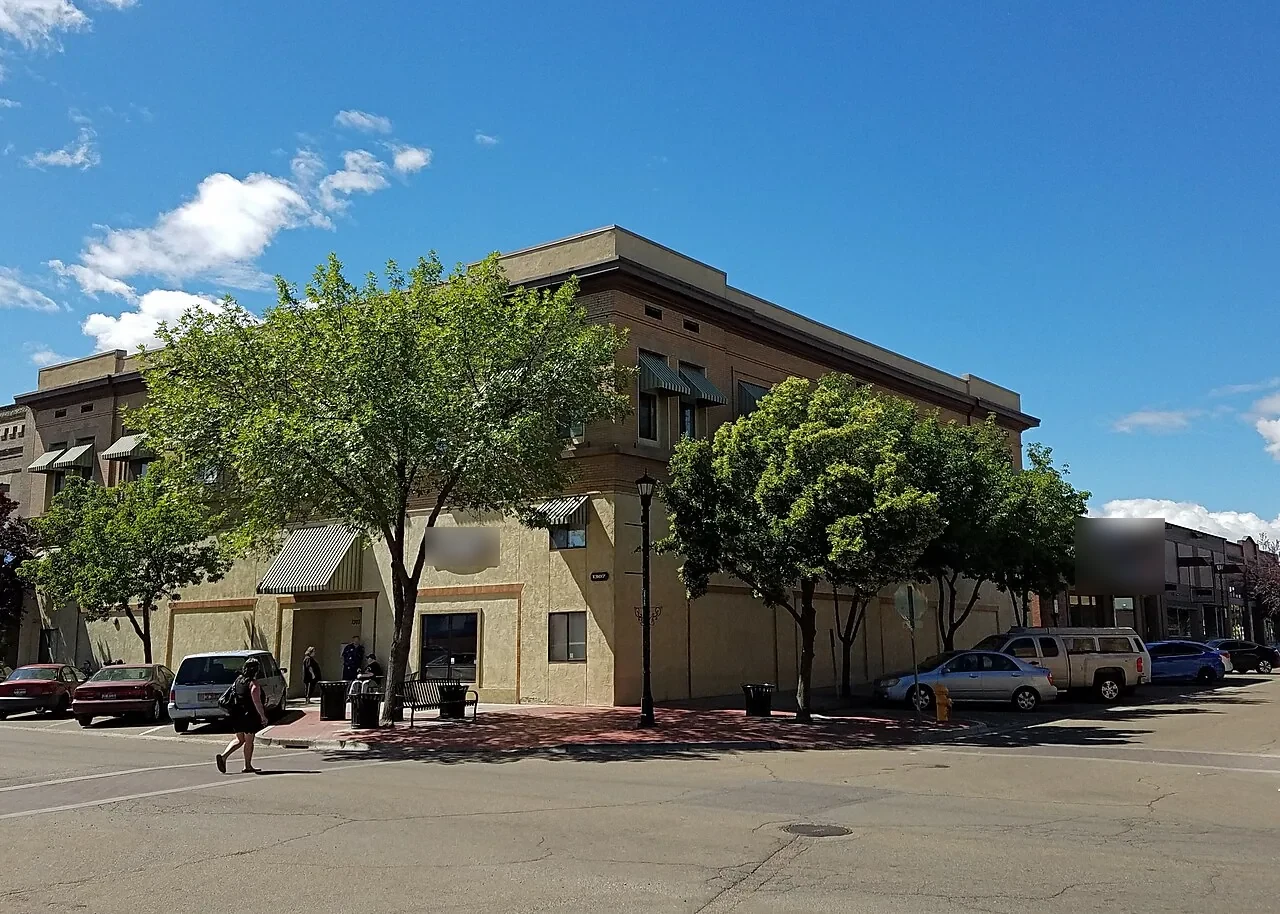
Frost on the underside of a roof deck is the field observation that matters most in a freezer building, because it shows moisture moving the wrong way. In a cold storage building, the warm, humid air is outside and the cold, dry air is inside, and water vapor pushes toward the cold. If the vapor retarder has a gap, that vapor condenses and freezes in the insulation, where it stays until the insulation is a block of wet foam. For a building in Nampa, ID, the roof scope begins with the underside, not the surface.
The first entries in the inspection record are the location of frost or ice, the condition of the vapor retarder where it can be seen and the temperature on each side of the assembly.
Vapor Drive and Insulation
A freezer roof carries more insulation than a standard commercial roof, and every layer needs to be dry and continuous. A vapor retarder sits on the warm side of the insulation, and every penetration through it, from conduit to refrigerant lines to sprinkler pipes, has to be sealed. A hole the size of a pencil can pass enough vapor to build a visible ice mass over a season.
On the exterior, the membrane keeps rain and meltwater out. If it leaks, wet insulation loses value and the freezer works harder. If the vapor retarder leaks from below, the membrane is not at fault, and no amount of surface repair will stop the ice. We map both sources, because the repair differs for each.
Penetrations get a detailed log. Each refrigerant line, electrical conduit, sprinkler riser and drain that crosses the retarder is numbered, photographed from below and checked for a continuous seal. The log is compared with the roof plan so a penetration seen from inside can be found on top, and a seal that looks sound from the roof side but leaks from below is not missed.
Food Processing in the Treasure Valley
The City of Nampa lists food processing and agribusiness among its target sectors, and counts Amalgamated Sugar and Sorrento-Lactalis among its employers. Parma, about 23 miles northwest, plans to support agriculture, food processing and manufacturing. A refrigerated building in that setting carries a roof that has to keep its insulation dry through every season, whatever the harvest and shipping calendar looks like.
Large industrial tracts sit north of downtown, between the interstate and the Boise River. The scope for any cold building in the North Nampa Industrial Area or nearby tracts records the access, the neighbors and the drainage path from roof to storm system.
Locating Wet Insulation
Infrared scans work differently in a cold building. Temperature contrast is high, and a scan taken from the roof shows thermal patterns that may come from wet insulation, thermal bridges or both. We combine the scan with core samples, moisture probes and an interior inspection. Ice at an interior surface can often be traced to a penetration, and the penetration is marked on the roof plan.
The infrared moisture survey sets the boundary of repair. Wet insulation is removed and replaced with insulation of a matching R-value, a new vapor retarder is sealed to the old one, and the membrane is repaired or replaced above it. The record shows the removed area, the new layers and the test results.
Temperature readings are part of the proof. We record the interior setpoint, the deck surface temperature and the ambient temperature at the time of the scan, since a reading taken on a still, overcast evening and a reading taken after a windy afternoon do not compare.
Membrane and Insulation Choices
A cold storage roof often uses a single-ply membrane, such as TPO or PVC, over layers of rigid insulation, or a spray foam system that creates a continuous insulating layer without joints. Each has trade-offs. Mechanically attached sheets can create thermal bridges at fasteners. Adhered systems avoid this, but need compatible adhesives. Foam bonds without fasteners but needs dry weather and a clean substrate.
The assembly has to satisfy the energy conservation code in force locally. The scope shows insulation thickness, the cover board and the fastener plan together, so a plan reviewer can follow the thermal and structural logic.
Cold Season Conditions
Design conditions here include a 10 degree winter low and a snow basis of 20 pounds on the ground. Winter inversions can make valley locations colder than airport readings. A roof over a freezer sees an additional factor: heat leaks from the building can melt snow in patches, and the melted water refreezes at the edge. Ice dams at the eave and ice at the drain are common signs.
We inspect drains, heat-traced lines and edge metal before the cool season. Snow load is checked against the 25 pound minimum roof load, and any drift area beside a parapet or rooftop unit is flagged for monitoring.
Working Over Refrigerated Space
Opening a roof over a freezer risks warm, moist air entering the cold space and frost forming on product. Work proceeds in small bays that can be buttoned up by evening, with temporary vapor protection at each opening. If the building holds product that cannot warm, the pre-job record shows where the stock is and how the area is protected. Door schedules and defrost cycles are coordinated with the roof work.
The occupied building reroofing plan names the facility contact, the hours of work and the stop conditions: rain, wind or a temperature drop that makes sealing unsafe.
Refrigeration equipment on the roof needs its own plan. Condensers, compressors and lines are shut down or protected only when the facility's engineer approves, and the roofing crew does not touch controls. Penetration repairs are sequenced so the equipment is back in service by the end of the shift.
Closeout File
The closeout file holds the interior frost map, the infrared and core results, the vapor retarder details, the insulation product data and the photographs of each penetration seal. It also lists the follow-up date for an interior check after the first cold season. The same file format serves a warehouse or a distribution center next door.
If a facility runs several cold buildings, the same file format lets the owner compare frost patterns, insulation moisture and repair cost across them and rank them for capital planning.
Questions
Why does frost form on the underside of my freezer roof?
Warm, humid air from outside pushes vapor toward the cold side. A gap in the vapor retarder lets it condense and freeze in the insulation. The cause is found from below, not from the membrane.
Can a freezer roof be replaced without warming the space?
The work is sectioned so openings are small and closed daily. Temporary vapor protection covers each opening, and stock locations are mapped beforehand.
How is wet insulation located in a cold building?
An infrared scan, moisture probes and core samples together. Interior frost patterns point to penetrations, which are then checked from the roof.
Is foam better than a membrane over freezer insulation?
Each has trade-offs in thermal bridging, installation weather and substrate needs. The choice is written from the building's condition and the codes.
What does the follow-up inspection cover?
An interior look at the deck underside after the first cold season, plus drains and edges at the roof. Any frost is mapped and compared to the baseline.