Industries We Serve
Roofing for School Districts in Nampa, ID
Roof replacement, repair, and capital planning for school districts in Nampa, ID, scheduled around the academic calendar with a dated record for every building.
School Districts
The summer break is the roofing calendar for a school district, and it is shorter than it looks. A district that wants a roof replaced before students return has to settle scope, approvals, and material orders in the spring, and has to leave room in the dry warm season for weather delays. For districts in Nampa, ID, the first useful document is not a quote but a ranked inventory: every roof on every campus, with a condition rating, a repair or replacement window, and the evidence behind each rating.
We write that inventory roof section by roof section, with photographs taken from repeatable positions, so a facilities director can take it to a board meeting and a business manager can place it in a capital plan.
District Roof Inventory
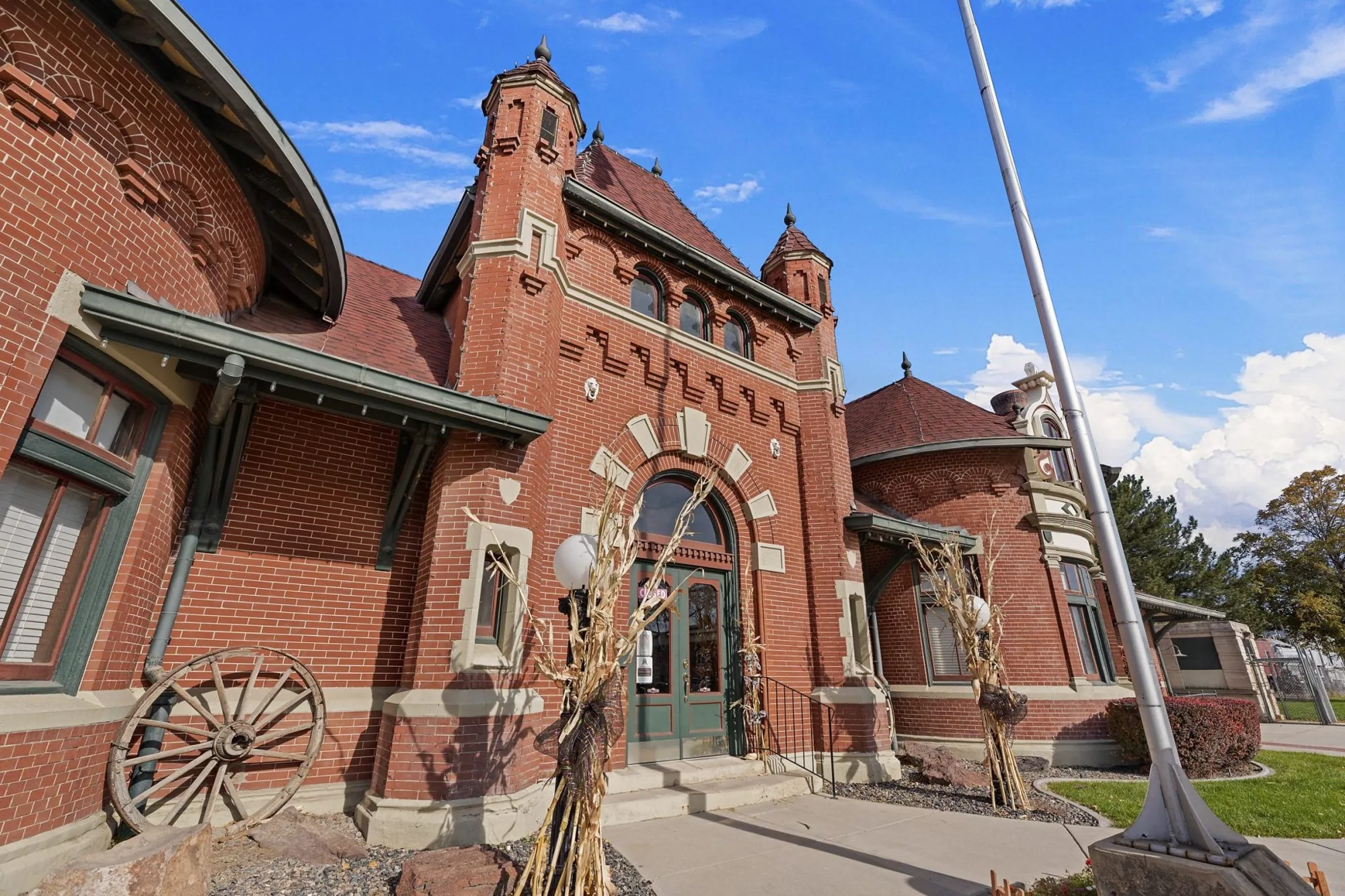
A district roof portfolio mixes ages, shapes, and uses. A gymnasium has a tall low-slope roof with few penetrations. A cafeteria has kitchen exhaust. A classroom wing has rooftop units on curbs. A building that has had additions may carry several roof levels, each with its own membrane. We walk each one, number the sections, and record the membrane type, the seams, the flashing, the drains, and the evidence of moisture.
The inventory also notes access: where a lift can stand, where a crane can reach, and which roofs require a fenced staging area because they sit next to a play field or a bus loop. Nampa's design criteria require roofs to carry at least 25 pounds per square foot of uniform load and set a 20-pound ground snow load, so structural capacity is checked before any recover adds weight to an older roof.
The result is a list a board can read, and a record the facilities office can update each year. Each rating cites the observation behind it, whether that is an open seam, a patched blister, or a drain that holds water after rain, so a trustee can see why one building ranks above another. For school roofs, this format makes the capital request concrete instead of general.
Academic Calendar and Weather Window
School work is compressed into the months when students are out, and in the Treasure Valley that period overlaps the dry warm season. Rain and snow come mostly from November through May, and the warm months are dry. That pattern favors summer replacement, since adhesives cure and membranes can be welded in dry conditions, but it also means a spring delay can push a project into fall rain.
We plan backward from the first day of school. Material lead time, permit approval, and board action all need dates, and each is written into the schedule with a margin. If a roof cannot be finished in one summer, the plan splits it into phases, each with a clean tie-in so the finished part stays watertight over winter. A project at a campus near downtown Nampa follows the same schedule logic as one on the south side near the University District, though each has its own access.
Site Access and Traffic
Access differs from site to site. A building on a busy arterial such as Garrity Boulevard or Caldwell Boulevard has a different truck route, a different delivery window, and a different staging problem than a building on a quiet side street. We drive the approach during the real arrival and dismissal times before we write the delivery plan, and we photograph the turning radius where a flatbed must enter. If a crane or telehandler must set up near a loading zone, the plan names the day, the hours, and the person who controls the gate.
Parents, buses, and staff share the same lots as the crew in the school year, and in summer the lots may host camps or district programs. The plan keeps a clear path for emergency vehicles and marks a no-go zone around the work. Material that must sit overnight is stored behind fencing and tied down, since the Treasure Valley's winter wind and snow load do not wait for the construction season to end.
When a new wing or addition is delivered by a general contractor, we coordinate the roof tie-in with that contractor's schedule and record the joint between old and new membrane. Roof drains that serve a covered walkway or a canopy are checked as well. They tend to be overlooked because they are not on the main roof, but a clogged canopy drain can send water over the entry where students pass.
Safety and Site Control
A school is occupied by children before and after the construction season, so site control carries weight. Fencing, signage, protected walkways, and defined delivery hours are part of the plan. We set the crane or lift outside bus routes and pickup lines, close roof access at day's end, and keep debris chutes away from pedestrian paths. During the school year, emergency repairs follow the same protocol: a coordinated visit, a defined work zone, and a record of what was done.
For summer work, the district's facilities team typically inspects the roof at milestones, and we schedule those visits so the director can see the roof when the decision is made, not after it is covered. Insulation and cover board conditions are reviewed with the director, since insulation and cover board choices affect how well the roof tolerates foot traffic and wind.
Capital Planning and Bond Cycles
Districts often fund roofs through levies, bonds, or capital reserves, each with its own calendar. The inventory feeds a schedule that spreads replacements over years, so no single year carries every large building. A capital plan shows the roofs due soonest, the interim repairs that will extend their life, and the estimated windows for the rest. When a levy is proposed, the board has specific buildings to point to.
The same record supports a warranty position. Where a manufacturer's warranty applies, warranty records list the installation date, the inspection dates, and any repair notice, so a claim does not fail for want of paperwork.
Related Public and Higher Education Buildings
A district sits alongside other public owners. The roof file format used here also suits a public agency that owns city or county buildings, and a college or university roof in the south quadrant, where the city plan identifies the University District. A district that shares a campus or a facility with such an owner can compare roofs on the same terms.
Questions
How early should a district start planning a summer replacement?
The planning sequence starts in the fall or winter before the summer in question. Inventory, board action, bid documents, and material orders each take time, and the dry-season window leaves little margin for a late start.
What happens if a roof cannot be finished before students return?
The plan splits the work into phases with watertight tie-ins. The finished part stays dry, the remaining part is covered, and the schedule shows the date work resumes.
Can emergency repairs be made during the school year?
Yes, with a defined work zone, protected walkways, and a record of the visit. The facilities director approves the access and timing before the crew goes up.
Which buildings should a district replace first?
The ones with the worst condition ratings and the most exposed interiors, such as a gymnasium floor or a library. The ranked inventory states the reasons so the board can follow them.
Does a recover work on an older school roof?
It can, when moisture cores show dry insulation and a structural check confirms the building can carry the added layer. Where cores show saturated insulation, replacement is the sound option.
What records does the district keep after a replacement?
The numbered plan, the photo sequence, test results, warranty paperwork, and the follow-up inspection date. The business office receives the same file as the facilities office.