Property Types We Roof
College and University Roofing in Nampa, ID
College and university roofing in Nampa documents roof conditions, access restrictions, winter drainage, and phased repair choices for campus facilities.
College and University Roofing
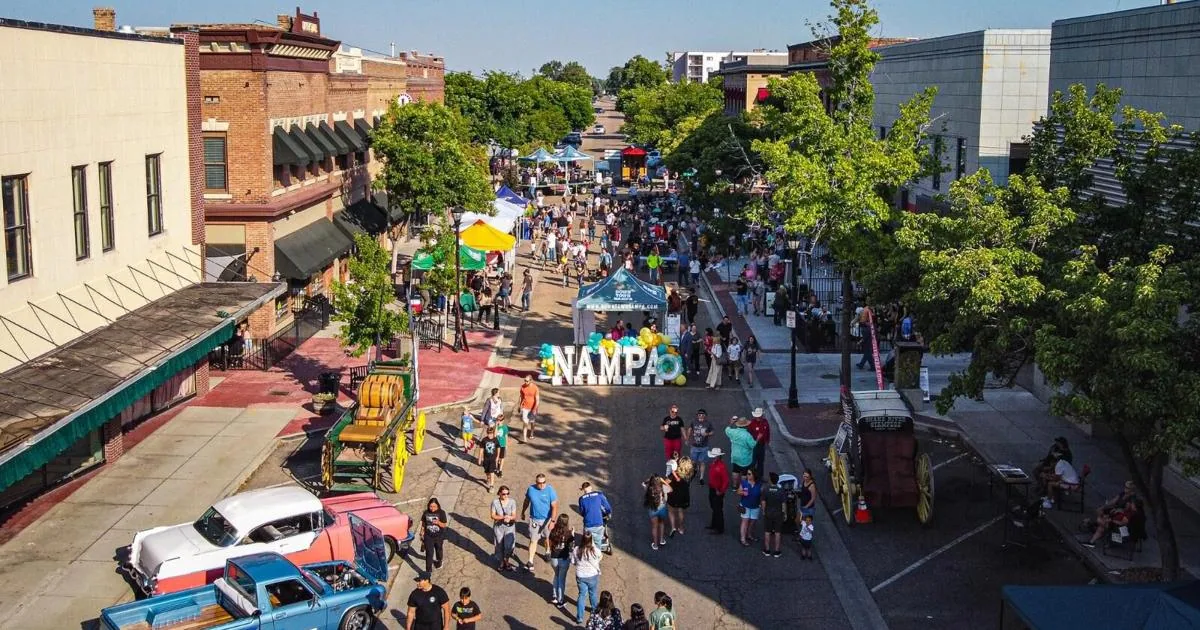
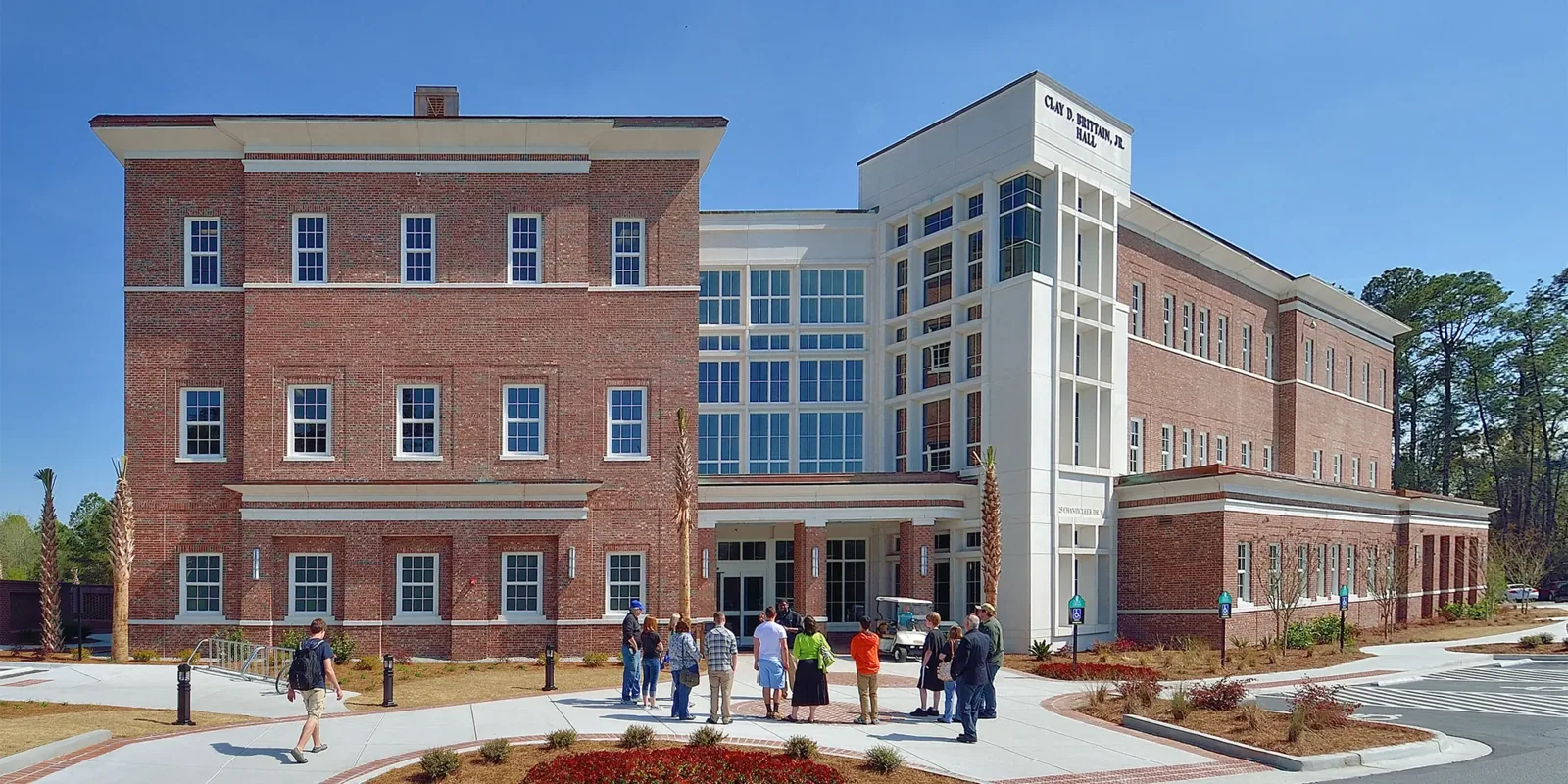
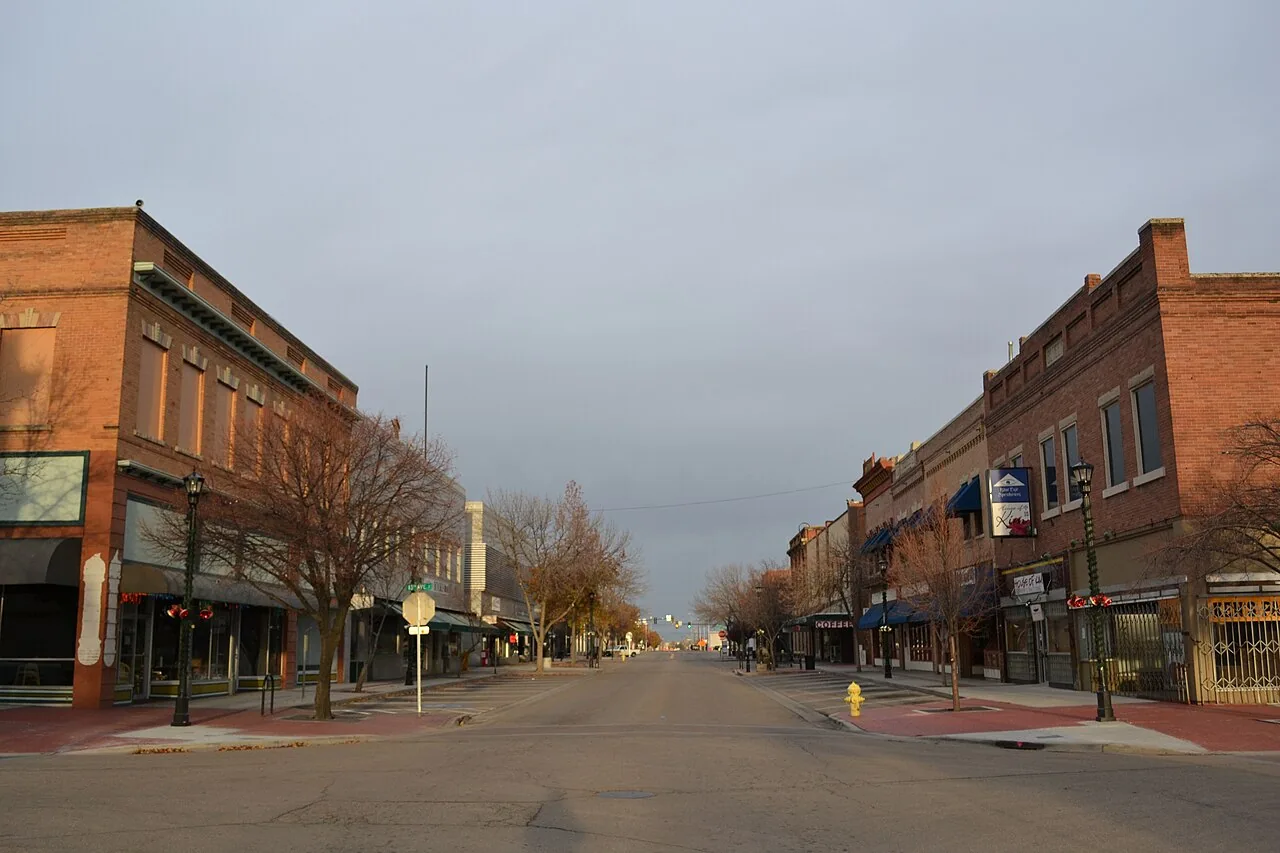
A roof section above a lab, residence hall, or lecture room has a different access window than a vacant mechanical wing. In Nampa, ID, campus roofing starts by identifying the building use, roof boundary, and people who must approve entry. We record the condition and sequence, then keep repair limits separate from untested areas. The city plan places a university district in the south quadrant, while the Downtown Nampa plan is another distinct activity area. Neither identifies a specific campus roof, so Diligence Notes and drawings determine the actual scope.
Campus access controls
We confirm hatch or ladder access, escort requirements, restricted rooms, delivery routes, and the hours when work can occur near occupied spaces. A campus contact may need to coordinate with security, facilities, events, or laboratory managers before a roof area is opened. The inspection record identifies each building separately and assigns a roof-section number to different additions, elevations, and membrane systems. This prevents a condition on one wing from being treated as a finding across an entire property.
Nampa's south quadrant planning includes the historic downtown and university district within a broader area that is mostly residential. The plan's geography is useful context for local coordination, not a statement about any institution's construction. We verify entry and staging directly with the owner. A multi-building roof schedule can keep inspection routes, photographs, and approvals distinct when several facilities share one maintenance team. For individual buildings, a hands-on inspection establishes what is visible and what needs testing.
Condition record
The roof walk checks seams, flashing, drains, curbs, penetrations, perimeter metal, and prior repairs in a repeatable sequence. We compare observed conditions with leak reports, mechanical plans, and work orders when those records are available. A stain below a roof does not establish the entry location, so we map the interior area against likely transitions and drainage paths. If insulation moisture or deck condition could change the repair, we propose a test cut and record its location before opening the assembly.
Regional planning describes the Boise-Nampa labor market as including construction, agriculture, and manufacturing. That economic context does not define a campus building, but it helps explain why facility owners may coordinate roofing with multiple trades and operating functions. We keep those operations in the schedule and the roof condition in the evidence file. A condition report can show section ratings, images, test results, and open questions without blending one building's findings into another.
Winter drainage
Nampa's design criteria list local ground-snow and roof-design loads. They are planning inputs rather than a structural evaluation for a particular building. We review available structural documents if the owner has a load question and inspect outlets, scuppers, crickets, and low spots for a water-management concern. Snow cover or ice can limit what is visible. The field record states those limits and schedules a return when the section can be inspected safely.
More than three quarters of the Treasure Valley's annual precipitation falls between November and May. That seasonal pattern makes drain condition and freeze-thaw timing relevant when planning campus work. A drainage review distinguishes debris from a slope or outlet problem. If a system is being renewed, a tapered insulation scope may be considered only after field elevations and design requirements are checked.
Assembly and repair limits
A localized seam failure can remain a repair if surrounding membrane, insulation, and attachment are sound. Repeated leaks, widespread wet material, or a deck concern may lead to further testing or a replacement comparison. We write the repair limit on a plan and identify which observations support it. The scope also states the materials, preparation, tie-ins, protection below, and daily closeout needed to keep a building available for its scheduled use.
The city has adopted the 2018 International Building Code and the commercial energy code, and a reroof can touch both. A reroof or assembly change may require plan or permit coordination, so we identify that path before scheduling materials. For a section that qualifies, recover work can be weighed against replacement. If the roof is not yet ready for that decision, scheduled maintenance can address drains and small details while the owner closes the remaining questions.
Academic-calendar phasing
Campus work can be divided by building, roof section, and academic schedule. We identify the sequence of material deliveries, noisy tasks, and temporary openings, then coordinate those dates with the facilities contact. A summer window may be useful for some spaces, but it does not replace checking weather, product cure limits, and permit inspection timing. For another occupied-property sequence, a shopping-center roof plan must also account for customer access and deliveries. The work plan states which areas remain accessible and which are isolated while roofing proceeds.
Separate buildings may have different assemblies or capital priorities even when they share a campus. We keep each section's photographs, proposal, and open items under its own identifier. When another trade needs a roof opening, its timing and restoration scope are listed so a new penetration does not invalidate a recent repair. For a school-owned academic building, the K-12 roof record uses the same idea of documented limits, while a campus roof program organizes the higher-education facilities separately.
Campus closeout file
The closeout includes the roof plan, section identifiers, photographs, materials recorded, repair boundaries, test findings, and any area left open for follow-up. It notes who approved access when relevant and whether a room or roof route remained restricted during the work. The facilities team can use these records when planning future equipment changes, inspections, or capital requests. Each update keeps the prior condition visible rather than replacing it with a generic completed label.
Before a work window is approved, the facilities contact can compare roof access with classes, residence-hall turnover, deliveries, and scheduled events. The plan identifies a staging boundary, material lift route, temporary protection, and the person who can pause access. If a roof section cannot be isolated safely during an occupied period, it moves to a later phase. That decision is recorded by building and date, so a campus does not treat one open roof area as permission to enter every connected wing.
For ongoing service, we list the next review trigger, such as a new leak report, major weather, a mechanical project, or a return after snow cover. An owner with multiple properties can connect the record to capital planning and a roof-specific maintenance schedule. Send plans, building-use notes, access rules, repair history, and any document format needed at turnover. We will state what was confirmed and what requires another test or design review.
Questions
Can you inspect several campus buildings in one project?
Yes. We assign separate building and roof-section identifiers, then schedule access with the facilities contacts responsible for each area.
How do you plan around classes or events?
We confirm restricted hours, room use, delivery routes, and noisy tasks with the campus contact. The schedule names the sections and work windows affected.
Do snow-load criteria determine the roof repair?
They are design references, not a building-specific structural calculation. We review available documents and identify when an engineer or further testing is needed.
What if equipment work is planned during reroofing?
We coordinate the opening and restoration responsibility before the membrane is disturbed. Each trade's work and closeout are listed against the roof section.
What makes a campus roof report useful later?
Section numbers, repeatable photographs, repair limits, test results, and open questions let facilities staff compare a later visit with the original condition.