Property Types We Roof
School Roof Repair and Replacement in Nampa, ID
School roofing in Nampa plans inspections and repairs around roof sections, classroom schedules, winter drainage, and documented closeout needs.
School Roof Repair and Replacement
A wet ceiling over a classroom changes the first decision: protect the room, locate the roof section, then define what can be verified before students return. In Nampa, ID, a school roof scope needs a safe access route, clear repair limits, and a schedule that fits the building calendar. Snow design criteria and a wet-season concentration make drainage checks part of that planning. A building in South Nampa may have a different access sequence than one near the North Nampa Industrial Area, so the property plan and roof record stay tied to the actual site.
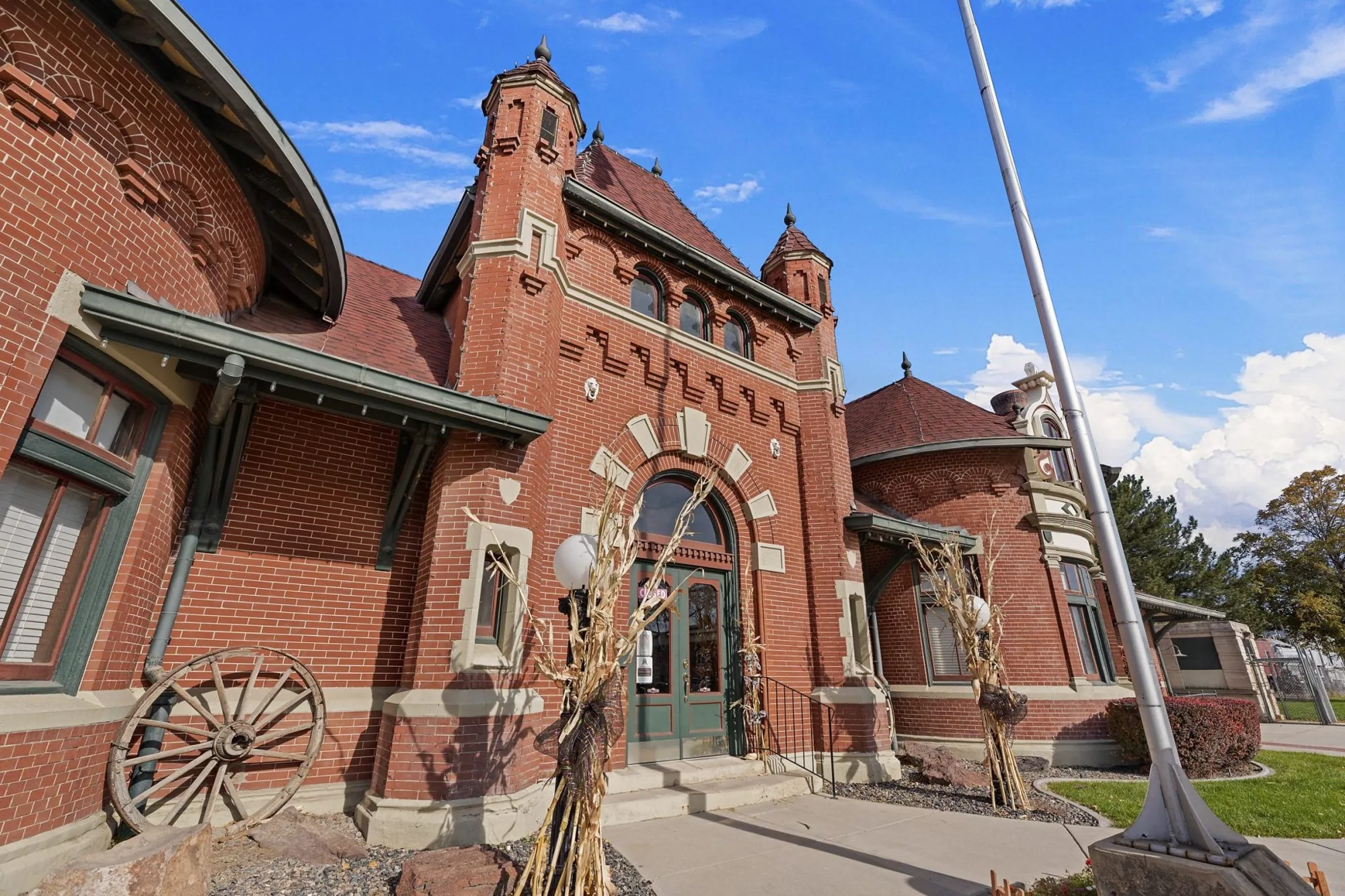
Occupied-building access
Before the roof walk, we confirm who can open the hatch, which classrooms or offices are below the work, and whether deliveries or other trades use the same route. We divide the roof into numbered sections and mark additions, different membrane systems, equipment zones, and areas that cannot be reached safely. A school contact can provide bell schedules, restricted rooms, event dates, and times when a lift or material drop would interfere with arrivals or dismissal. Those details change the work sequence, not the roof condition itself.
The south quadrant holds historic downtown and the university district inside a mostly residential area, and the north quadrant is where regional commercial and industrial activity gathers. These city planning contexts do not identify any particular school building. They do show why a local inspection should not assume every property has the same surrounding access. We record the route confirmed by the school and keep it in the inspection record with roof-section references, photographs, and any follow-up access needed.
Roof-section inspection
We inspect membrane seams, edge terminations, walls, curbs, drains, skylight flashings, and previous patches in a repeatable order. A stain over a hallway can originate at a nearby curb or transition rather than directly above the ceiling mark, so we compare the interior report with the roof plan and water path. Findings are labeled as visible, tested, or still open. If a test cut could establish moisture extent, we identify the exact question it would answer and how the opening will be restored.
The City lists the 2018 International Building Code and 2018 International Existing Building Code among its adopted code resources. When a repair or alteration may require review, we identify that coordination before setting a construction date. The hands-on roof inspection distinguishes a maintenance item from an assembly concern. Aerial images may supplement the walk, but seams and flashings still need direct checks before a repair is specified.
Snow, thaw, and roof drainage
Nampa design criteria list a ground snow load and a minimum uniform roof design load. Those are design references, not a calculation for a particular school. We look at drains, scuppers, overflow routes, low spots, and evidence of compressed insulation, then compare them with the building's available structural documents when a load question arises. Meltwater can reach a seam after a drain is partly blocked, and freeze-thaw can leave a repair area wet when materials need a dry surface.
The Treasure Valley has a cool wet season and a dry warm season, with most annual precipitation falling from November through May. For school roofs, the inspection record notes whether snow, ice, or moisture limited the view. A drainage review can separate debris clearing from a slope or outlet correction. We mark a return visit when a winter-covered area needs a clear inspection, rather than treating an obscured section as confirmed sound.
Repair and replacement choices
A localized seam split, failed curb, or loose edge may support a repair within a defined roof section. Repeated leaks, widespread wet insulation, or attachment concerns can call for testing or a broader renewal comparison. We state which areas are confirmed, which need opening, and how each option affects access and room protection. The owner can compare patch work, recover where the assembly permits it, and replacement without treating a single stain as proof that the entire roof has failed.
Nampa's east-quadrant planning describes the Gateway commercial area and nearby light and heavy industrial uses; the south quadrant is a separate broad planning area. Neither describes school roof assemblies. We use those named places only as local context while the building record drives the scope. If insulation is wet or compressed, that layer is defined separately from membrane installation.
Calendar and work-zone phasing
School projects often depend on breaks, weekends, and work areas that can be isolated from students and staff. We identify noisy tasks, material routes, staging, and each roof area that will be open. If the project spans multiple sections, the sequence closes and checks one area before moving to the next when the system allows it. Weather, product cure limits, and permit inspections can change the calendar, so the scope states what must happen before the next section begins.
The City describes Nampa's north industrial initiative as focused on infrastructure and private investment, and the plan also identifies transportation corridors serving the quadrants. Those facts do not determine a school schedule, but they reinforce that site circulation is part of project logistics. We confirm truck and lift access with the school rather than infer it from a corridor map. A daily record lists completed work, protection left in place, and the point at which rooms below can return to normal use.
Closeout for school staff
The closeout file includes the roof plan with section numbers, before-and-after photographs, repair boundaries, materials recorded, test results, and any open items. It states whether an observation was visual or confirmed by testing and names the next action. If the project required access restrictions, the record identifies when they ended and which sections need a later check. Facility staff can use the same identifiers when reporting a new leak or scheduling mechanical work.
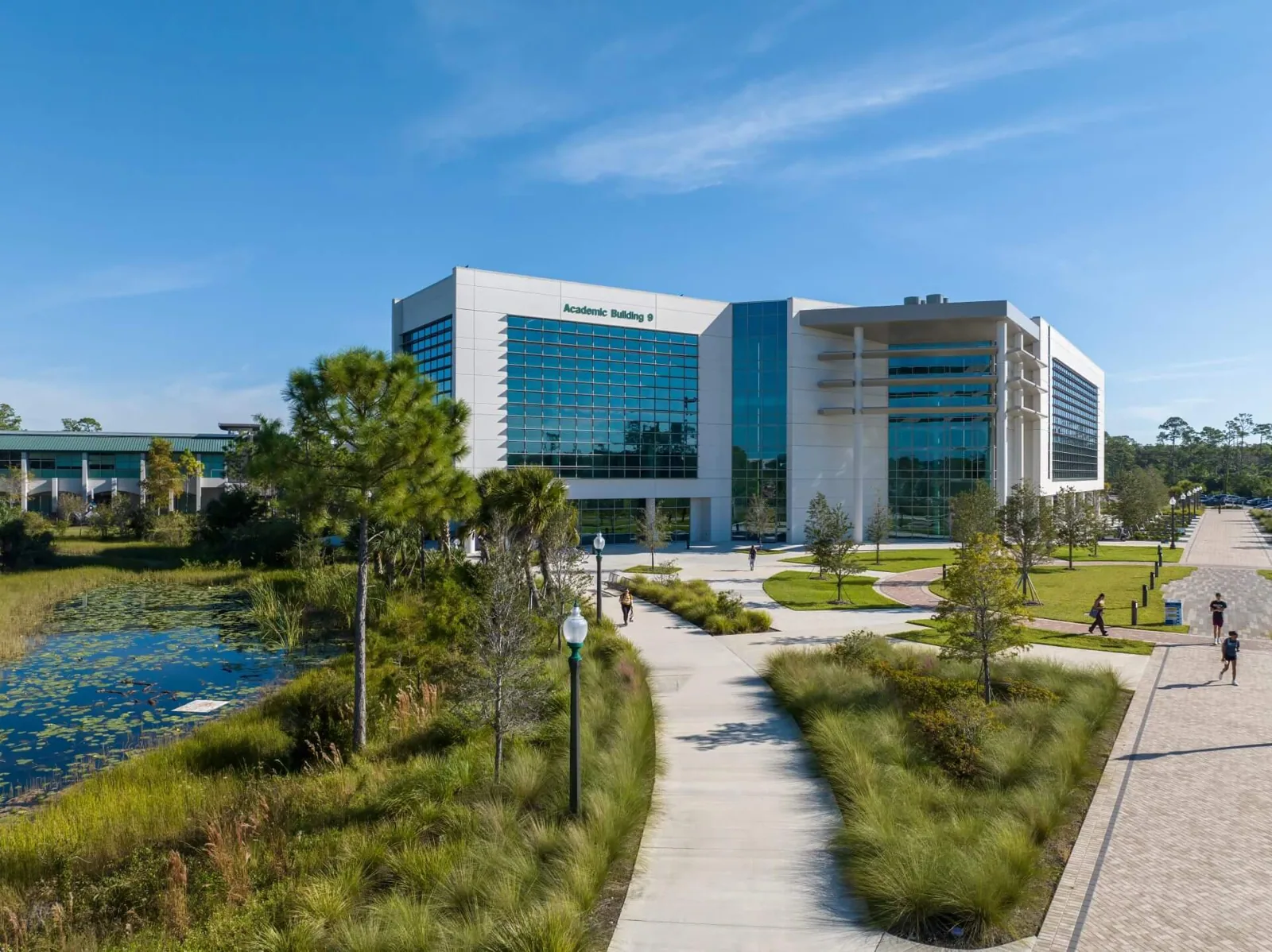
For a maintenance schedule, we list drains, edges, penetrations, and repaired areas that should be revisited before the wet season or after a significant event. Preventive maintenance can keep those checks connected to the initial findings. For recurring leaks, leak repair starts with the room, timing, and roof section. When one organization manages different building uses, keep a college roof record or retail roof file separate from the school's assembly and calendar. Send available drawings, access rules, event dates, and the closeout format the school needs. We will return a record that separates confirmed work from questions still requiring a test.
Questions
Can work happen while classes are in session?
We coordinate access, room protection, noisy work, and staging with the school contact. The scope identifies the roof sections and activities that need a restricted period.
What belongs in a school roof closeout file?
A numbered roof plan, photographs, repair limits, materials recorded, test results, and open items. We also identify areas that were not accessible and what would complete the review.
Does a classroom stain show the roof opening above it?
Not always. Water often moves through insulation or along the deck before it shows at the room. We compare the reported location with nearby seams, curbs, drains, and transitions.
How do snow and thaw affect inspection timing?
Snow or ice can obscure details, and meltwater can leave surfaces wet. We note those limits and schedule a clear return when a covered section needs confirmation.
When should we compare repair with replacement?
We map repeated defects, moisture extent, attachment, and the condition of surrounding sections. Testing can clarify whether work remains local or needs a broader assembly scope.