Roofing Capabilities
Roof Condition Reports in Nampa, ID
Written roof condition reports in Nampa, ID: dated photographs, section ratings, test results, ranked repairs, and a list of what the walk could not confirm.
Roof Condition Reports
Open questions belong on the first page of a condition report, not the last. A reader who sees at the top what the walk confirmed, what it left unsettled, and what test would settle it can act on the report in a few minutes. A reader who finds the same information on page twenty has to rebuild the roof from scratch. Our reports are ordered for the person who has a budget meeting tomorrow and a roof they have never stood on.
In Nampa, ID, that reader may be a property manager with a leak complaint from a tenant on Ustick Road, a buyer pricing a building in the Gateway commercial district, or an asset manager closing out an annual review for a portfolio. The report answers the same questions for each of them: what is the condition of every roof section, how do we know, what should be done first, and what remains unknown.
Report Contents
The report has a fixed order so that a reader who has seen one can find the same item in the next.
- Summary of findings and open questions
- Numbered roof plan showing every section, drain, and major penetration
- Condition rating for each section, with the observations behind it
- Photo sequence, labeled by section number and position
- Test results, with method, location, and date
- Ranked repair list with an urgency for each item
- Follow-up dates and the access or equipment needed to complete anything left unseen
Nothing is added to fill pages. A short roof gets a short report, and a complicated roof gets more sections, but the order does not change.
Each report also carries the date of the walk, the weather on that day, and the surface conditions at the time, since a roof walked dry in July reads differently from one walked damp in March. Those entries let a later reader judge whether a finding was affected by conditions, and they keep two reports on the same roof comparable.
Photo Sequence
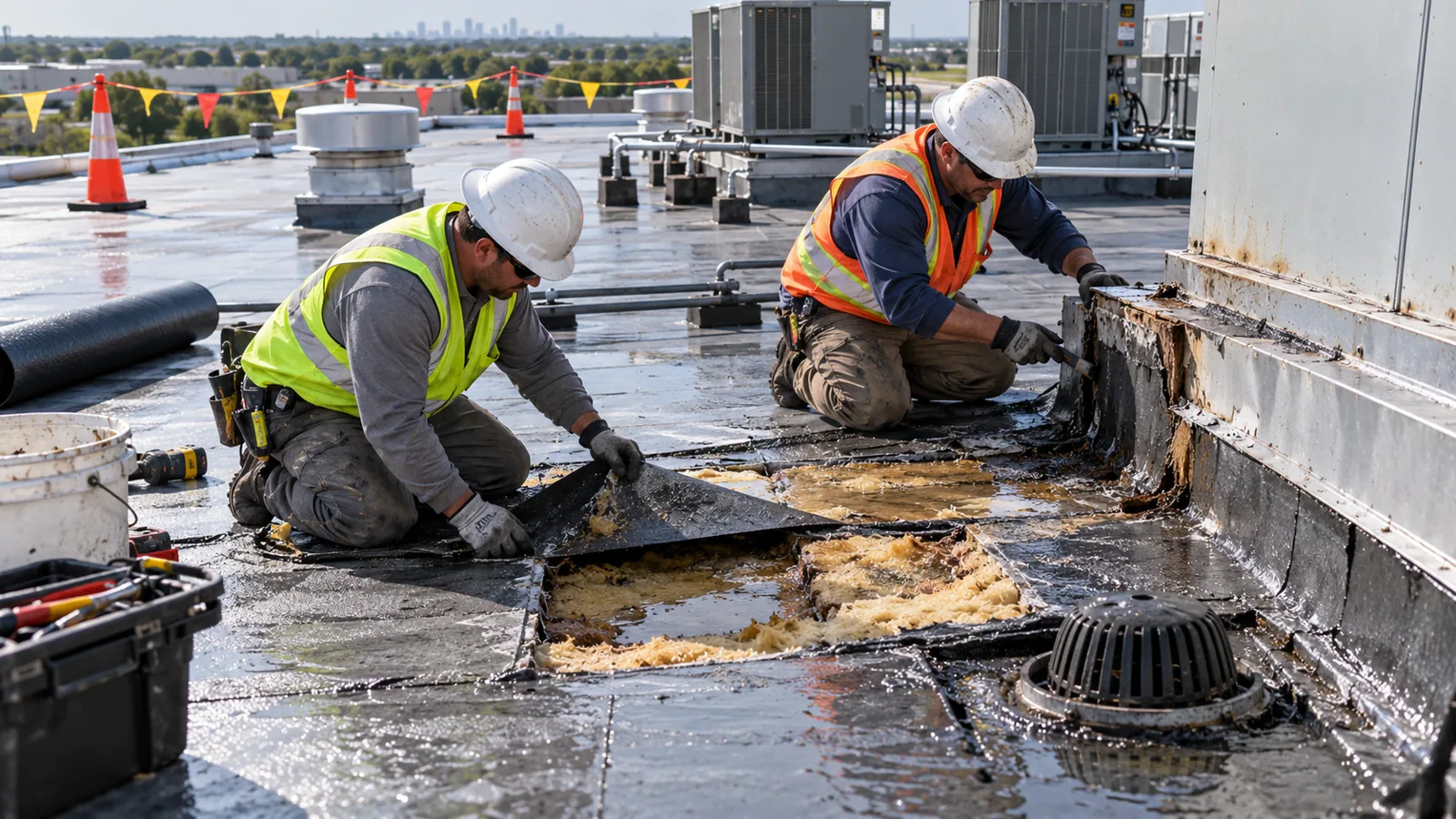
Photographs are taken in three frames: a wide frame that places the section on the building, a medium frame that shows the defect against its surroundings, and a close frame that shows the detail itself. Each frame is labeled with the section number and a position mark, so someone standing in the same spot a year later can repeat the shot.
For roofs that are fragile, steep or crowded with equipment, an overlapping drone flight adds coverage that foot traffic would risk damaging. The drone images do not replace hands-on checks such as probing a seam or pressing a blister, and the report says which findings came from which method. A reader looking at a photograph of a split seam should always be able to tell whether someone touched it.
Rating Scale and Evidence
Ratings run from sound through serviceable to failing, and each rating is supported by a short list of observations: surface condition, seam and flashing condition, drainage path, signs of moisture, and the state of earlier repairs. The scale is deliberately plain because the report is read by people outside the roofing trade, and the observations are there so that anyone can see why one section ranked below another.
A rating is a statement about the day of the walk. It is not a prediction, and the report does not turn a rating into a service-life figure. Where an owner needs timing, the ratings feed a capital plan that sets replacement windows with the reasons written beside them, and that plan is revised when the next report arrives.
Test Results and Unsettled Items
Visual observation cannot show wet insulation, so the report separates what was seen from what was measured. A handheld meter pass or an infrared moisture survey produces a map of wet and dry zones; a core cut at a suspect point confirms the reading and shows the insulation type and thickness. Each result is entered with its method, location and date, and the cut is resealed the same day.
Items the walk could not settle get their own list. A section under snow, an area under rooftop equipment, or a roof reached only by a fixed ladder with no safe edge protection goes on that list with the reason and the step that would resolve it. The list matters to a buyer or lender because it marks the part of the roof where the report offers no opinion, which is where surprises are most likely to come from.
Reading the Report Against Winter
Winter sets the terms here: a 20 pound ground snow load, a 25 pound minimum uniform roof load and a 10 degree Fahrenheit winter design temperature in the city's criteria, with the valley's wet months running November through May. The report is timed to be useful against those conditions: an autumn report flags drains, edges and flashing that winter will test, and a spring report records what the season changed.
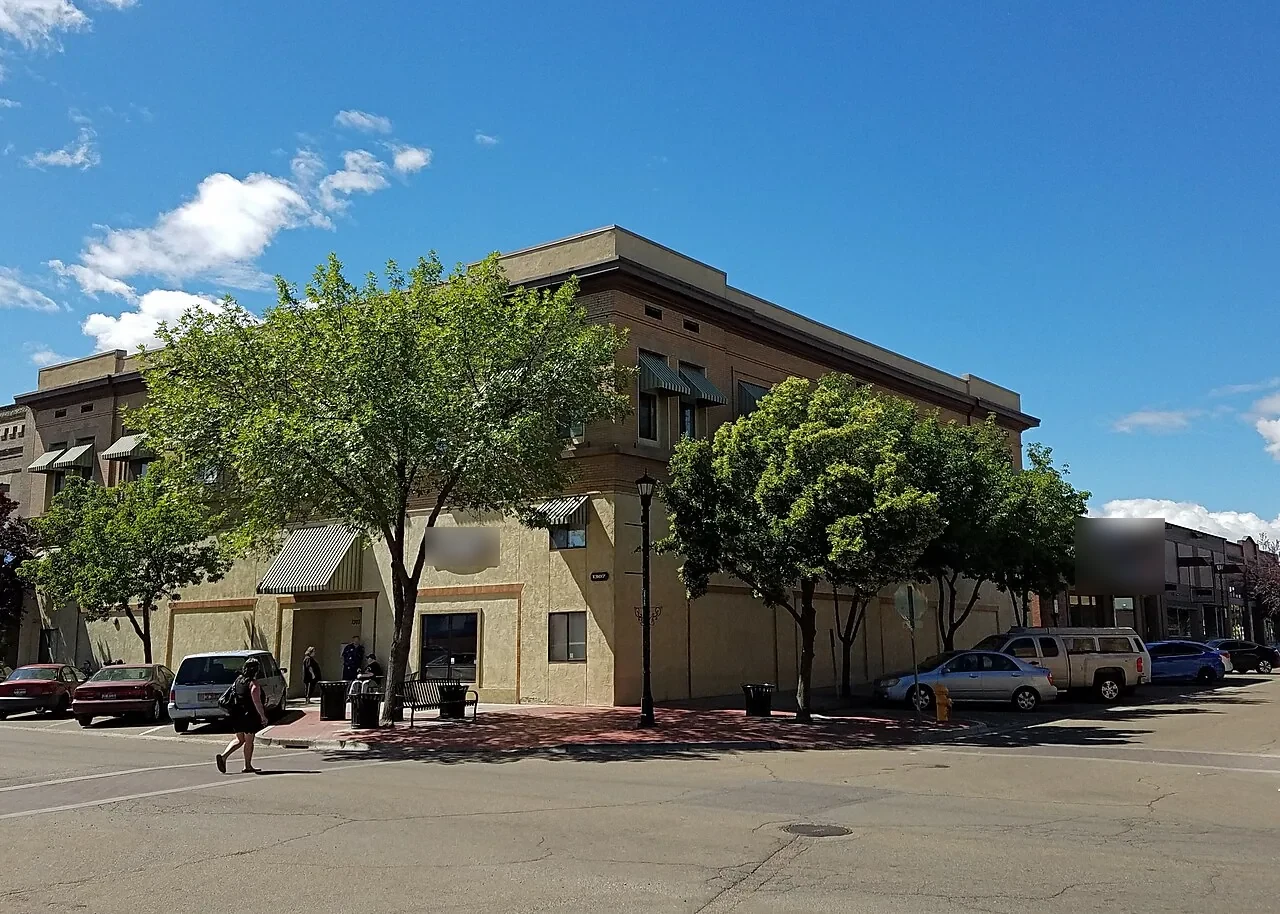
The ranked repair list is arranged so that work with a weather window is separated from work that can wait. A flashing repair that needs dry surfaces and mild temperatures sits ahead of a cosmetic issue on a section that sheds water well. In the historic downtown and around the Downtown Village area, where a building may step through several roof levels, the report keeps each level as its own section so the ranking stays clear.
Who Uses the Report
A property management company uses it to set work orders and answer tenant questions. An owner uses it to defend a budget request. A lender or insurer may ask for it when a loan is renewed or a policy is written, and a buyer reads it as part of a due diligence survey. The same document serves all four, because the facts do not change with the reader.
For multi-building owners, the report feeds the asset register, where each section's rating becomes one dated line. Owners of an office building or a retail strip often keep the report in the closeout file for later repairs, so the next contractor, ours or anyone else's, starts from documented conditions.
Delivery includes a phone review, so the ranking and the open questions are understood by whoever must sign the work order. If a lender or buyer sends questions afterward, the answers are added to the report as a dated revision, not given verbally, which keeps the file complete.
Questions
How long does a written condition report take to produce?
Timing follows the size of the roof, the access available, and whether moisture testing is part of the scope. We state the delivery date when the walk is scheduled, and the report is sent as a document you can forward.
Will the report give a number of years left on the roof?
No. It states section ratings and the observations behind them. Timing questions are handled in a capital plan, where the reasons for each replacement window are written out.
What happens to a section the inspector could not see?
It is listed as not seen, with the reason and the step that would allow a proper look, such as snow removal, equipment access, or a fall-protection setup. The report offers no rating for it.
Can the report be used to support an insurance claim?
Dated photographs and condition ratings give an adjuster a baseline for what the roof looked like. Claim decisions rest with the insurer, and storm-related damage is documented separately from age-related wear.
Is a report from a drone flight alone acceptable?
For coverage on a roof that cannot bear foot traffic, yes, with the limits stated. Seams, blisters and fastener condition need hands-on checks, so the report marks anything only photographed from the air.