Service Areas
Commercial Roofing in Downtown Village, Nampa, ID
Roof inspection, seam and flashing repair, and replacement for Downtown Village in Nampa, ID, with curbs and tenant changes on a dated roof plan.
Downtown Village
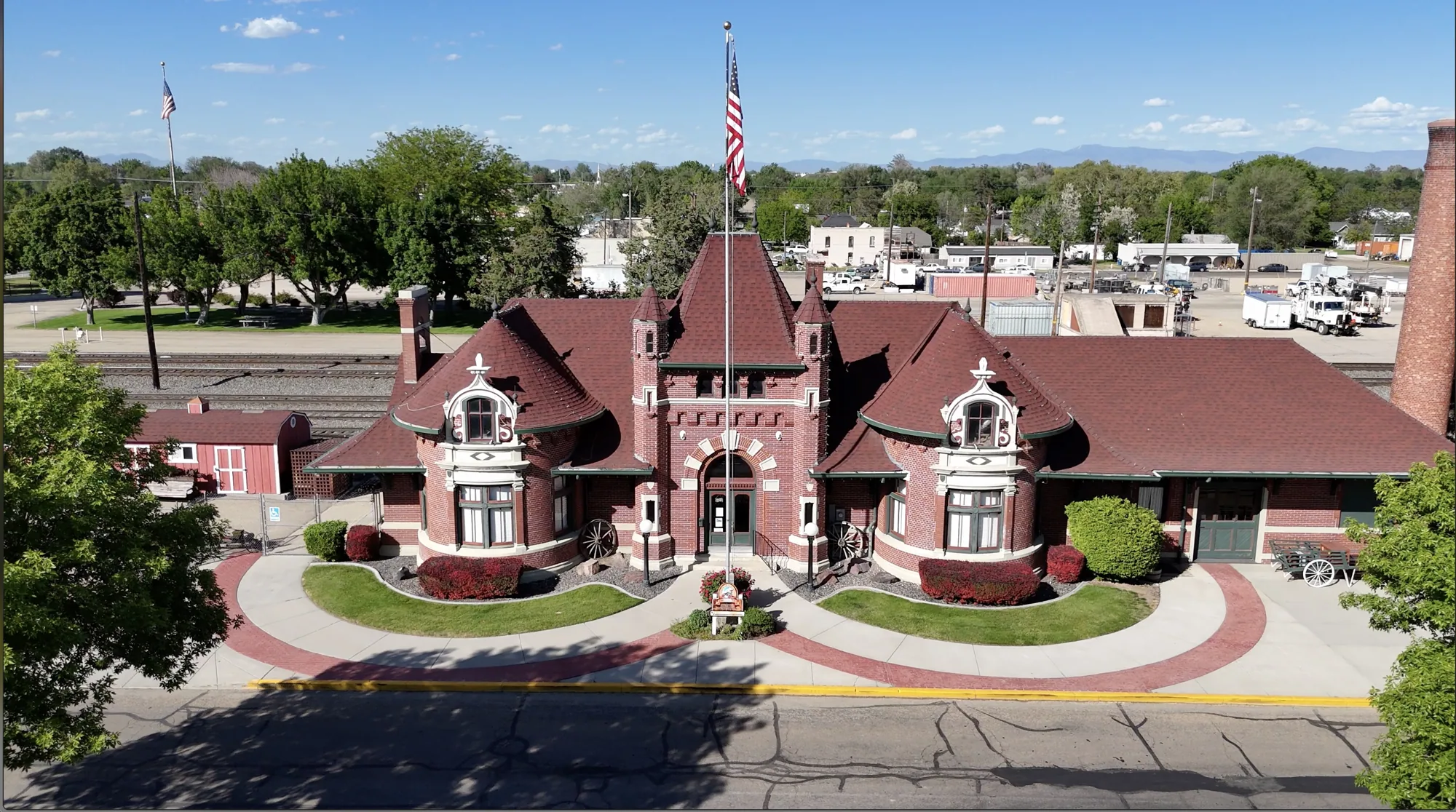
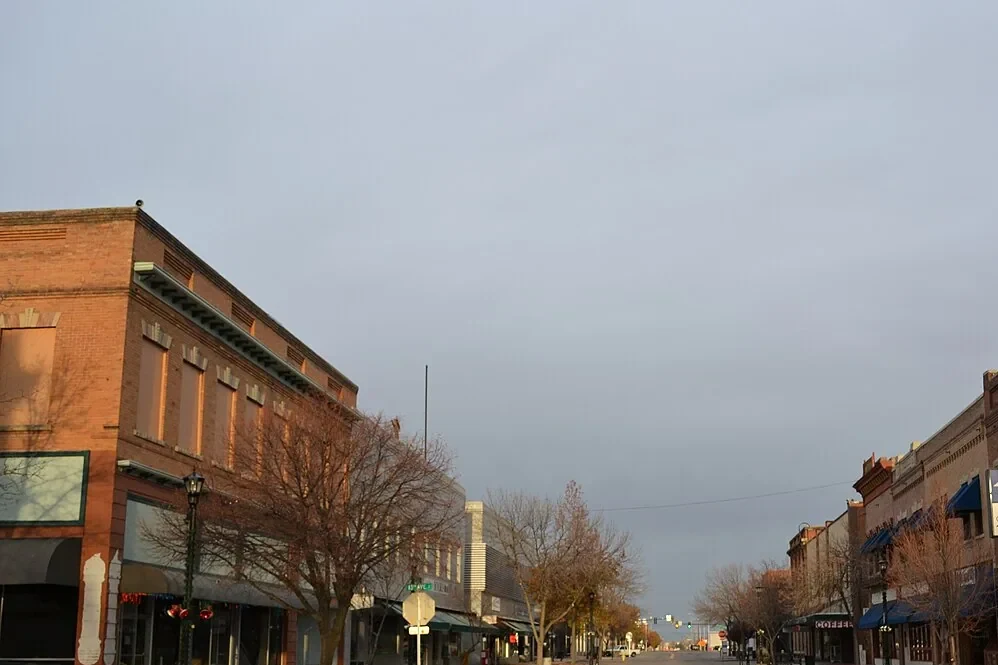
Two city plans describe Downtown Village, and a roof record for a building there starts by saying which description fits the roof in question. The 2040 plan names Downtown Village as a distinct activity area in the south quadrant, and the west quadrant plan places it in the area between the railroad and Caldwell Boulevard. In Nampa, ID the area therefore appears in two planning conversations, and an owner who holds a clear roof file can take part in either one with facts in hand.
The file begins with the roof section plan and a first photograph of each section. From there we measure what the roof shows: how water leaves it, where the seams sit, how the equipment is mounted, and what the edges look like. We keep that record separate from opinions about the surrounding district.
Between the Railroad and Caldwell Boulevard
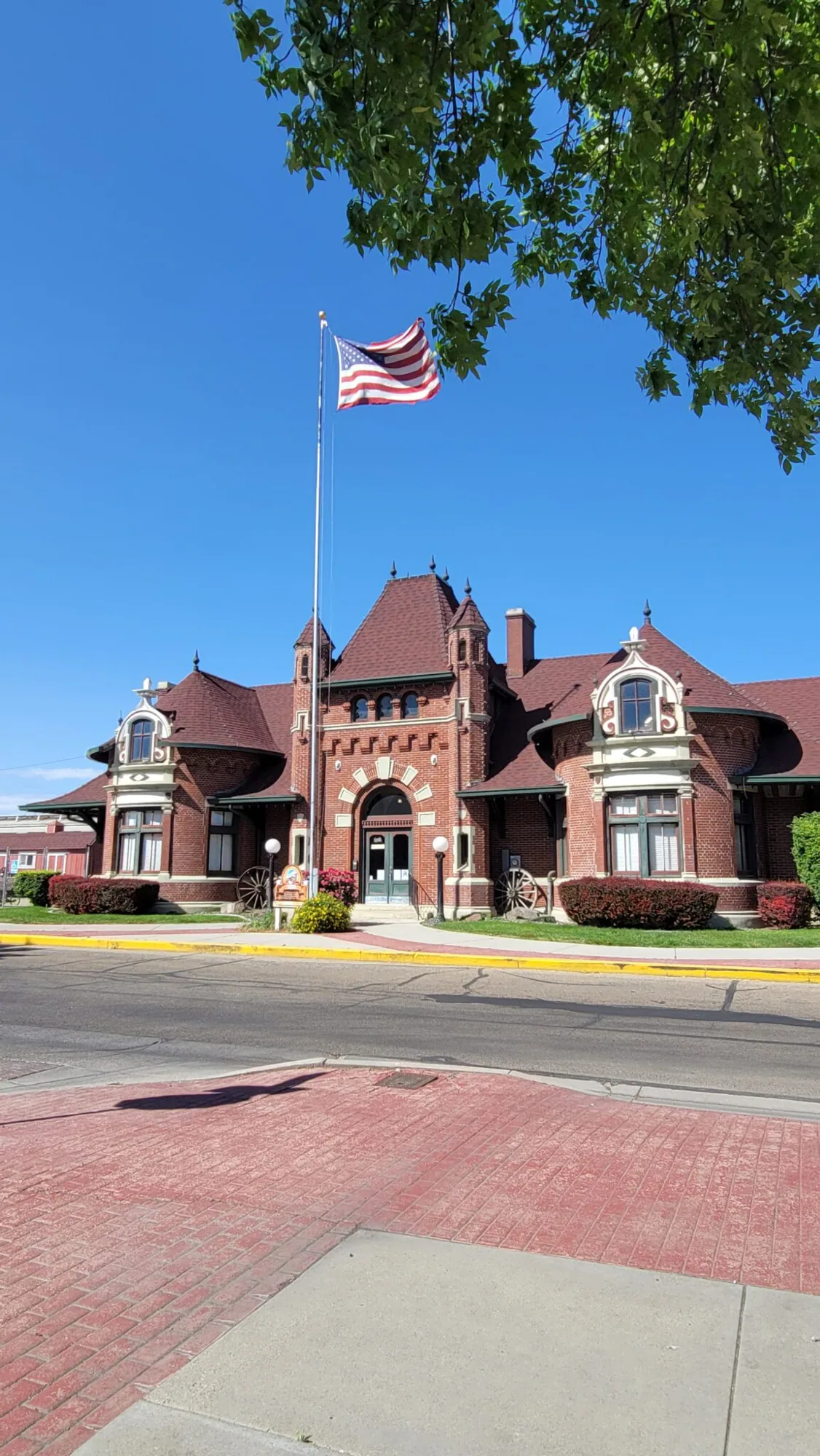
The railroad and Caldwell Boulevard bound the area on two sides, and those edges matter to an owner mainly as access routes. A lift needs a place to stand, a dumpster needs curb space, and a material delivery needs a time when the street is clear. We walk the approach as part of the first visit and write down where equipment can stage, which saves a day of delay once work begins.
Access is also a safety issue. Where a roof edge sits close to a public walk or a rail line, we set the work zone with barricades and spotters before any material is raised. These details appear in the scope revision with the date they were agreed, so the owner and the crew work from one plan.
Rooftop Equipment and Tenant Changes
A building that changes tenants often changes its rooftop equipment. A new unit means a new curb or a cut in the membrane, and every cut is a place for water. We ask who has been on the roof and why, and we look for patches that do not match the surrounding membrane, abandoned conduit, and unit supports that have no flashing at all. Each is photographed and numbered on the plan.
Correcting equipment details is a precise task. Curbs are flashed up to a height that clears snow and splashing water, supports are raised off the membrane where they sit directly on it, and abandoned penetrations are removed and patched. Our scope for equipment curbs and supports sets out each step. An office building roof or a small retail roof gets the same check.
Seam and Flashing Findings
The next group of findings concerns the membrane itself. Seams open where the sheet moved under sun and cold. Flashing separates at corners, where the membrane is stressed in two directions. Fasteners back out through a field sheet and leave a small blister. Each is documented by location and date. A seam failure repair is measured by the length of the open seam, the condition of the membrane on either side, and whether heat welding or an adhesive is suited to the material.
If an open seam is found early, a hot-air weld or a cover strip closes it in an hour. If water has been in the seam for months, the insulation beneath may be wet, and a moisture scan decides whether the repair is a strip or a section replacement.
Photo Sequence for Repeat Visits
The photo sequence is the part of the record that makes repeat visits useful. For each roof section we shoot the nearest drain, a stretch of seam, the closest curb, and the edge, always from the same stance, and we label each frame with the section number and date. After a winter, the same frames show whether a seam has opened further, whether sealant has cracked, and whether debris has built up around the drain.
A sequence like this also protects the owner in a dispute. If a tenant's contractor crosses the roof and a puncture appears, the earlier frames show the membrane before the visit. If a leak is reported in a corner that was photographed intact the month before, the cause can be sought elsewhere. We attach the sequence to the condition report and keep the original files so that the evidence stays intact for whoever needs it later.
Winter Drainage and Snow Load
The criteria Nampa uses carry 20 psf of ground snow and a 25 psf minimum for roof loads, and most of the valley's moisture, more than three quarters, arrives from November into May. For a flat roof, that means standing water or compacted snow near a drain is a winter problem. We clear drains before the wet season and photograph any roof section where water stays after melt.
The same records help in spring. A section that held water in February and shows a seam open in April tells a clear story, and the repair limit can be drawn around that corner instead of across the entire roof.
Scope Options
A building owner can choose among a spot repair, a section replacement, a recover, or a full tear-off. The choice follows the moisture results and the age of the system. A PVC membrane offers welded seams and chemical resistance where exhaust is present, while a coating can extend a sound roof that has minor surface wear. If the building is occupied, work is sequenced by section so tenants keep their space.
Each option in the scope revision carries its drivers, which are the extent of wet insulation, the number of penetrations to flash, the lift access the roof allows, and the weather window. We do not quote a lump sum until the test results are in, since a number given before them is a guess. The owner may also request a plan for commercial roof repair alone, with the replacement decision postponed to a later review date.
Closeout File
At the end we deliver the roof plan, the photographs, the test results, the repair limits as built, and the follow-up date. Owners of nearby property in Downtown Nampa receive the same format, which lets a group of buildings be reviewed together, whether the question concerns repair budgets, insurance, or a sale.
Questions
Which plan governs a roof in Downtown Village?
Neither plan governs the roof itself. The adopted building codes do, and the 2018 IBC and the 2018 existing building code are both on the city's list. Planning documents describe district direction.
A tenant moved out and left old units on the roof. What now?
Abandoned units, conduit, and curbs are marked on the plan, and the owner decides whether to remove them. Removal leaves openings that have to be patched, so we price the removal and the patch together.
How can I tell a seam leak from a flashing leak?
Location helps. A leak near a wall or curb often points at flashing, and a leak under the field of the roof often points at a seam or a fastener. A hose test, run section by section, confirms.
Can the repair wait until spring?
If the interior is dry, the repair can wait for the weather window, and we place a temporary patch to hold through winter. If water is entering, we respond the same day.
What belongs in a roof file handed to a lender?
Condition, remaining service life, and open repairs. The file states the first and third plainly, and for the second it gives the findings and the tests that support an estimate.