Industries We Serve
Roofing for Property Management Companies in Nampa, ID
Commercial roofing for property managers in Nampa, ID: numbered roof sections, photo records, tenant-aware scheduling, and closeout files for each building.
Property Management Companies
A roof file that lives in one person's email does not survive a change of manager. Property management companies in Nampa, ID hand buildings from one asset manager to the next, from one site lead to another, and the roof history can be the first thing to go missing. Our work for a management company begins with the opposite habit: every roof section gets a number, every observation gets a photograph taken from a repeatable position, and the whole record is kept in a form that a new manager can open and understand on the first day.
That matters because a manager rarely owns the roof. The owner funds it, the tenant complains about it, and the manager is asked to explain it to both. A closeout file that shows what was found, what was repaired, and what was left for a later date gives the manager something firm to hand upward and outward.
Portfolio Scope
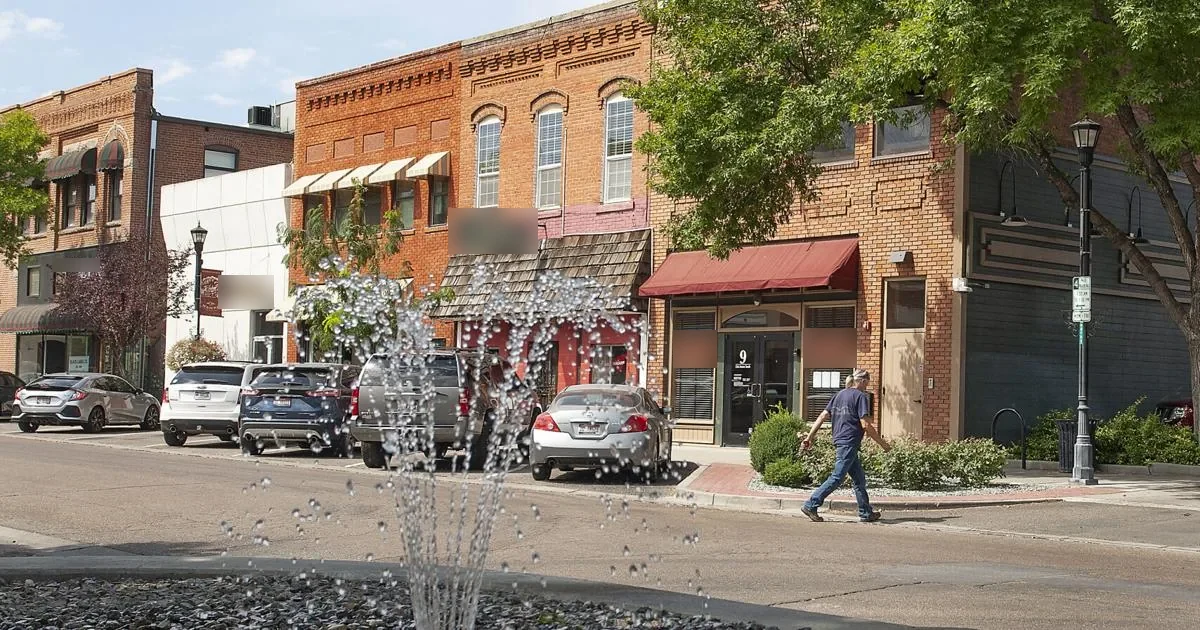
A management portfolio in the Boise-Nampa area is seldom uniform. The city plan places a commercial activity area south of I-84 near Garrity, within the Gateway planning district, beside light and heavy industrial uses, and it describes a separate historic downtown in the south quadrant. A portfolio that spans both holds very different buildings under one management contract. Each has its own membrane, its own drainage layout, and its own rooftop equipment. Treating them as one generic roof produces one generic budget, which is why we divide a portfolio building by building and roof section by roof section before any price is discussed.
The first pass is a written condition report for each property. It lists the roof sections, the membrane type found, the visible condition, the drainage path, and the items that need action in this budget year versus the next. The manager can sort the list by urgency, by tenant impact, or by owner, and the numbering stays stable across every later visit.
Tenant Coordination
Roof work on an occupied building touches people who never signed the roofing contract. A tenant in the lower bay hears the equipment lift, a tenant under the repair area sees a ceiling tile come down, and a tenant with a loading schedule needs the dock apron kept clear. We plan access, staging, and noisy work with the manager before the crew arrives, and we put the plan in writing so the manager can forward it to tenants instead of rewriting it.
Interior stains are logged against the roof section above them. When a tenant reports a leak, the manager can send us the unit number and the date, and the inspection record ties that report to a specific roof section and a specific cause. That link between the complaint and the cause is what lets a manager answer a tenant with a finding instead of an apology.
- Access route and staging area agreed before work starts
- Quiet-hours and dock-use limits written into the schedule
- Interior reports matched to the roof section above the space
- A follow-up date set for every temporary repair
Seasonal Calendar
The Treasure Valley takes most of its yearly moisture between November and May, and the city designs roofs for a 20 psf ground snow load. For a manager, that gives the maintenance calendar its shape: drains and scuppers are cleared and photographed before the cool wet season begins, and a second walk follows the first hard freeze and the first thaw, when ponded water and open seams show themselves. Those two visits cost far less than the interior repairs that follow a clogged drain in January.
The dry warm season is the work window. Repairs that need the membrane dry, adhesive that cures properly, and coatings that need sun belong there. A manager who submits a list in spring can have the large items scheduled before summer tenants' peak operations, and the small items folded into a preventive maintenance visit that the file already anticipates.
Equipment and Code Constraints
Managers sometimes learn about roof restrictions only when a tenant asks for new equipment. The city works from the 2018 building code and the 2018 commercial energy code, and the Highway 16 area plan bars roof-mounted mechanical units on structures inside a 500-foot band along the highway. A tenant improvement that adds a rooftop unit on a building near that corridor can run into a design rule before it reaches a roofer.
For properties where equipment is allowed, every new curb and penetration is a future leak path. We record the location of each rooftop unit, the flashing type around it, and the state of the surrounding membrane. When a tenant's technician walks the roof, a walk path and a protection layer keep foot traffic off the seams. The file shows the manager which tenant added what, and when, so damage can be traced to its cause.
Closeout File
At the end of every job we assemble the documents a manager needs for the property binder and the owner report: the photo sequence before, during, and after, the repair limits as completed, any test result, the warranty paperwork where a manufacturer's warranty applies, and the follow-up date. The manager does not have to chase pieces from several emails.
For owners with several properties, the same numbering carries into a multi-site program, where the manager can compare roofs against one another and see which sites have drifted behind on maintenance. Investors and funds that own through a management company, such as real estate investors and REITs, can use that comparison at year end. When a contractor will work alongside us on a tenant buildout, the same file helps a general contractor see what roof work is already planned before a penetration is cut.
Questions
Can the roof record follow the building when the property changes managers?
It can, because the file is organized by roof section number instead of by contact. A new manager receives the plan, the photographs, the condition ratings, and the repair history in one set, and later visits continue the same numbering.
How should leak calls from tenants be reported so they lead to a finding?
Send the unit, the date, the weather on that day, and a photograph of the stain. We match it to the roof section above, inspect that section, and return a finding that names the cause and the repair, so the answer to the tenant is specific.
What does a manager receive for a budget meeting with the owner?
A ranked list of roof sections, each with a condition rating, the action proposed, and the timing window. Items are marked as repair now, repair within the season, or monitor, and the file keeps the photographs that support each ranking.
Do strip centers near downtown Nampa and flex buildings near Gateway get different treatment?
Yes, because the membranes, drainage layouts, and equipment on each roof differ. The city plan treats the Downtown Village area and the Gateway district as separate activity areas, one historic and one a mix of commercial and industrial uses. We write each condition report to the roof actually found, not to the neighborhood.
Who coordinates access with tenants?
The manager names a contact for each tenant, and we send the access plan, staging area, and noisy-work hours to that contact before mobilizing. Any change is confirmed in writing the day before.
Can a retail property manager get a roof program that respects holiday trading?
Schedules for retail centers avoid the busy weeks, with larger work set in the dry warm season. A shopping center roof program lists the blackout dates the manager supplies and builds the work plan around them.