Roofing Capabilities
Multi-Site Roof Programs in Nampa, ID
Multi-site roof programs in Nampa, ID: one list of buildings, one rating scale, seasonal scheduling, and one report format across every roof you hold.
Multi-Site Roof Programs
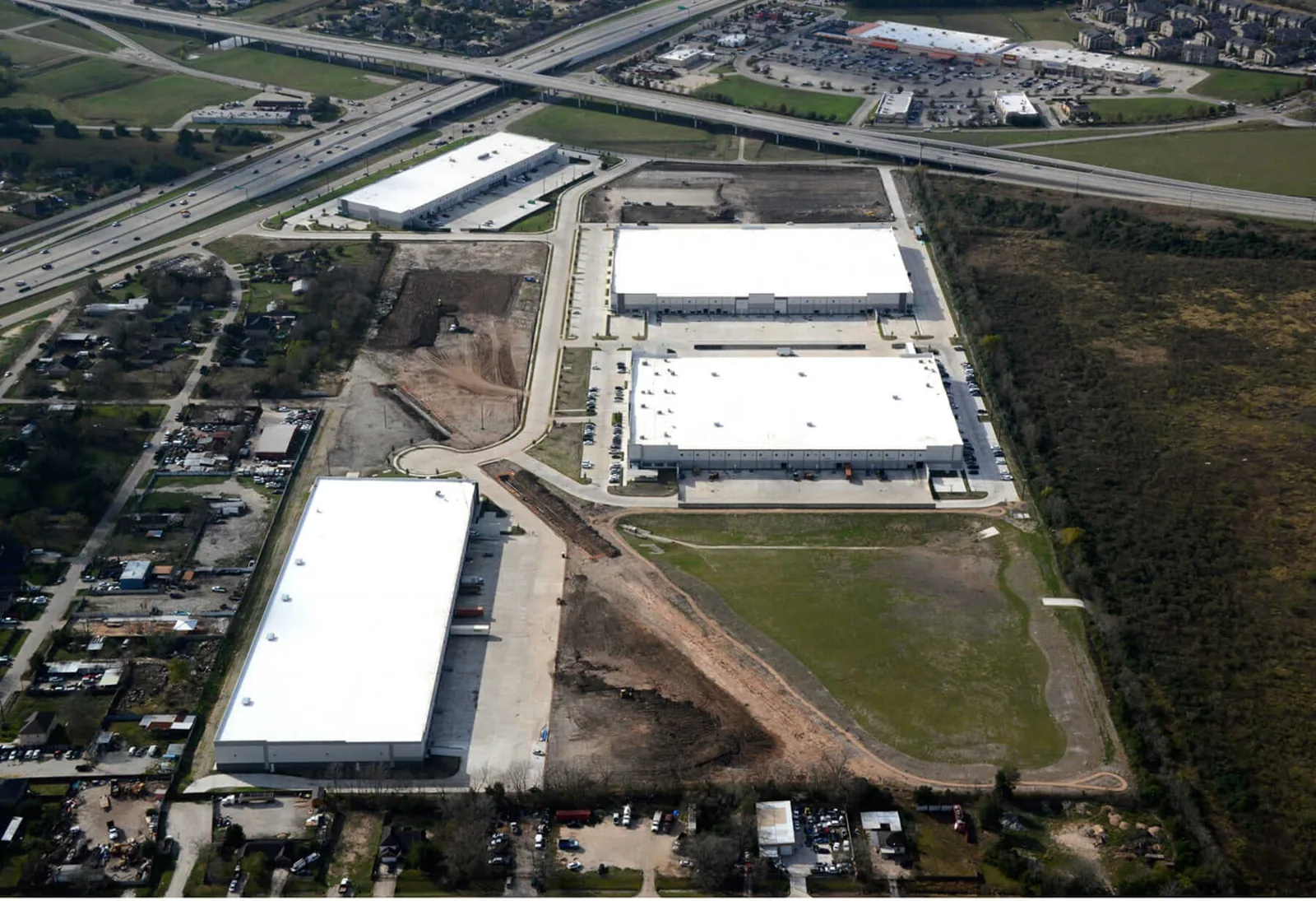
A program begins with one list of buildings and one set of section numbers. Without that, two roofs inspected a month apart are described in two vocabularies, and the owner cannot say which one needs money first. With it, a warehouse, a retail pad and an office suite are rated on the same scale, photographed in the same sequence, and reported in the same order, so the choices between them rest on condition instead of on who wrote the report.
For owners and managers with property in Nampa, ID and the nearby Treasure Valley towns, a program replaces a string of separate calls with a single relationship. Visits are scheduled in a season, findings arrive in one format, and repairs are ranked across the whole portfolio. The same crew standards, the same photo positions and the same closeout file apply to every building on the list.
Program Structure
The program has four parts: a baseline inspection of every building, a shared rating scale, a scheduled maintenance rhythm, and a portfolio report. The baseline gives each roof section a number, a rating and a photo sequence. The scale lets conditions be compared across buildings. The rhythm sets when each building is visited. The portfolio report ranks every section on the list so the owner can see where repair and capital money should go.
Scope is adjusted by building. A newly replaced roof may need only a seasonal visit and a drain check, while an older roof with a repair history gets a closer walk and moisture screening. The program document states these differences, so a building that looks lightly served on paper has a stated reason.
Pricing follows the same structure. Visit fees, repair rates and the unit costs for common details are agreed at the start and applied to every building, so a repair at one property is not a new negotiation. When a repair exceeds the agreed limit for a section, the program document states that the work moves to a written scope for approval before it begins.
Grouping Buildings by Area
Visits are grouped by geography so crews are not crossing the valley for single stops. A route through Caldwell, which sits about 6 miles northwest of Nampa, can combine several buildings in a day, and a route east can take in Meridian, whose comprehensive plan names warehouses, storage, light manufacturing and flex buildings among its industrial employment uses.
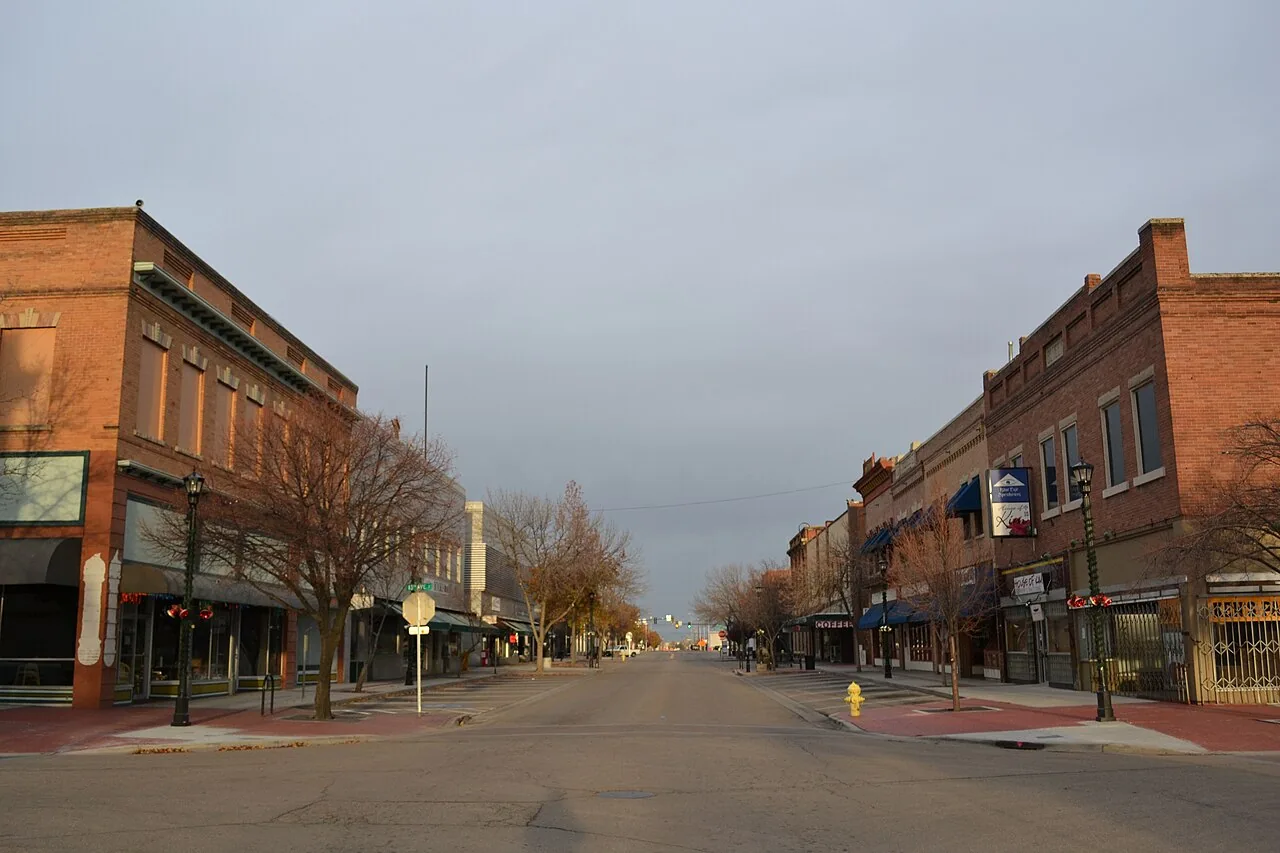
Within Nampa, the grouping follows the city's quadrants. One route covers the north quadrant between I-84 and the Boise River, where the plan puts industrial tracts and regional commercial properties. Another takes in the east quadrant's Gateway district and Garrity area, and a third covers the south quadrant with its historic downtown. A property group with buildings in three of these areas gets one route for each, scheduled in the same season window.
Shared Rating and Reporting
Every roof section is rated sound, serviceable or failing, and every rating carries the observations behind it. The same scale is used at every building so a serviceable section in one place means the same thing in another. Photographs follow the same three frames, wide, medium and close, and are filed under the section number.
The portfolio report places those ratings side by side. A table of buildings is followed by the ranked repair list, the sections moving toward replacement, and the open questions that would change the ranking. A manager can send the first page to ownership and the building pages to the on-site team without editing either. Where an owner already keeps an asset register, the program feeds it directly.
Differences between buildings are kept visible. A flex building with many small penetrations will show a different pattern of findings than a roof with a few large curbs, and the report explains the pattern in the building pages so the ranking is not read as a judgment on the property manager. The follow-up date for each section is printed beside its rating.
Seasonal Scheduling
November through May delivers over 75% of the valley's yearly precipitation, so a program front-loads its work around that wet half. A program therefore front-loads two visits: an autumn walk that checks drains, edges and flashing before the wet season, and a spring walk that records what the winter did.
Repair and replacement work is planned into the dry stretch. When several buildings need work, the capital plan sequences them by condition and by tenant calendar, so work on a retail center is not scheduled across a holiday sales period and work on a manufacturing building avoids its production peaks. The weather window is recorded for each job, along with any day lost to rain or cold.
Tenants and Operations
Different buildings run on different clocks. A restaurant or retail location has service hours and kitchen exhaust to plan around. A distribution building has dock traffic and may restrict rooftop access during peak shipping. An office building has tenants who notice noise. The program records these constraints once, in a building profile, so every visit begins with the same access rules.
Access details travel with the profile: roof hatch or ladder location, whom to call on arrival, fall protection needs, and any sign-in rule. For property management companies that rotate staff among buildings, the profile means a new manager can schedule a visit without relearning the site.
Where a building is shared among tenants, the profile also names who holds the roof access keys and who must be informed before work begins. Leases that assign roof duties to tenants are recorded as well, so a repair that belongs to the owner is not delayed while the question of responsibility is settled.
Program Records and Review
Each visit adds to the building file: the dated walk, the condition entries, the repairs made and the repairs deferred. Work done under the preventive maintenance scope is logged as it is completed, with photographs of drains before and after. Once a year the portfolio report is reissued, and the owner can see which sections changed rating and why.
A review meeting follows the annual report. We go through the ranking, discuss which sections should move up or down, and adjust the schedule and scope for the next year. The scope revision is written into the program document with the date, so changes can be traced. An owner who sells or adds a building updates the list, and the program absorbs it without starting over.
Questions
Can a program start with only a few buildings?
It can. The first buildings set the rating scale, photo positions and report format, and later buildings join the same list. An owner who adds properties later simply extends the list.
How are buildings outside Nampa handled?
Nearby Treasure Valley towns such as Caldwell and Meridian fit into the same route plan. Buildings farther out are scoped separately, with travel and scheduling stated in the program document.
Does one report cover every building?
A portfolio report ranks all of them, and each building also has its own pages with section plans, ratings and photographs. Either part can be sent on its own.
What if one building needs emergency work between visits?
Emergency response runs around the clock, holidays included, and the work is entered on the building file like any scheduled visit. The portfolio ranking is updated at the next review.
How does the program treat a roof with a manufacturer warranty?
The warranty terms are summarized in the building profile, and visits are timed to meet the maintenance duties they list. The visit log doubles as the maintenance record the manufacturer may request.