Property Types We Roof
Distribution Center Roofing in Nampa, ID
Roof repair, replacement and maintenance for distribution and fulfillment centers in Nampa, ID, planned around shift schedules with photo-backed records.
Distribution Center Roofing
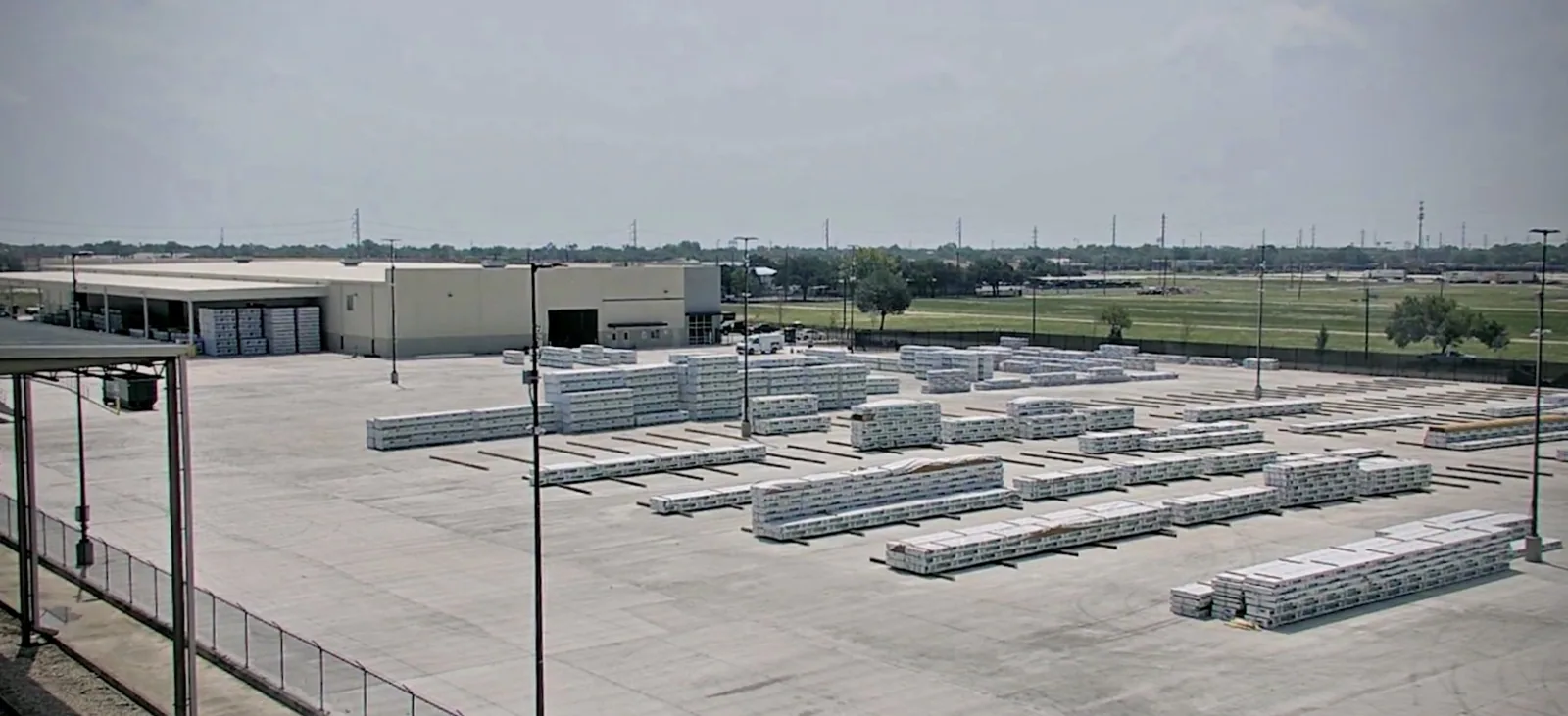
Throughput is the constraint that shapes a distribution center roof scope, and the roof record has to respect it. A fulfillment building may run several shifts, ship on a fixed schedule and hold goods that cannot get wet. The roof above it cannot be opened the way an empty shell can. For a building in Nampa, ID, the first entry in the scope is a map of what lies below each roof section: sortation lines, racking, dock staging and offices, with the tolerance each can accept for a leak, a delay or a noise.
That map sets the order of work. The roof sections above the most sensitive areas are inspected first and repaired or replaced when the weather window and the shipping calendar both allow it.

Interstate Access and Building Demand
Seven I-84 overpass routes appear in the city's 2040 plan, from Middleton Road in the west to Robinson-Star Road. Employers the city names include Amazon, Amalgamated Sugar and Woodgrain. A distribution building that relies on one of those I-84 routes depends on truck access, and a roof problem can interrupt that flow.
Along the Franklin Boulevard corridor and the other interchange routes, a scope has to account for truck access, staging for roofing materials and the neighbors who share the road.
Staging is its own scope line. Roofing materials arrive on flatbeds, a crane or a lift sets them on the roof, and debris leaves in containers beside the dock. If the loading yard is full of trailers all day, the plan finds a lift location and a quiet window, and it names a route for trucks that does not cross the yard's busiest lane.
Roof Assemblies Over Large Floors
Distribution centers have wide roofs over clear-span space, often with a membrane over insulation on a steel deck. We confirm the assembly by core sample or drawings, and we log the fastener pattern, the seam type and the age of the insulation. A single-ply TPO roof is common on this building type, but the record, not an assumption, decides what repair method applies.
Roof loads matter here too. Sprinkler mains, conduit, rooftop units and sometimes solar equipment hang from or rest on the roof. Any added equipment is checked against the roof's load capacity before it goes up, using the city's 25 pound roof minimum and 20 pound ground snow basis.
Rooftop Units and Penetrations
Mechanical units, exhaust fans, smoke vents and skylights break up the roof. Each has a curb, a flashing and a history of movement as the roof expands and contracts. A unit that was replaced with a larger one may sit on a curb that no longer fits, and the flashing shows the strain.
We number each unit on the plan, photograph its curb and note the condition of its flashing and support. The rooftop equipment curbs and supports section of the scope lists repairs by unit, and the same numbers appear in the closeout file. Where owners plan to add equipment, the plan shows reserved zones so new penetrations do not cross an existing drainage path.
Conduit and gas lines laid on the roof surface often rest on small blocks. Over the years the blocks wear into the membrane, and the line becomes a ponding dam. We lift a sample of these supports on each roof section and note which ones have worn through, because a worn support is a hidden puncture that no leak map shows until water finds it.
Roofs That Carry Solar
Many large-floor buildings consider rooftop solar. A roof that will carry an array needs a membrane with enough service life left to outlast the equipment, and a layout that leaves walkways and drainage clear. A solar-ready roof scope records the age of the membrane, the condition of the insulation and the structural capacity, so the array is not installed over a roof that will need replacing in a few years.
When the array is installed, the penetrations for mounts get flashings, photographs and a leak test. Removing and resetting panels for later roof work is a cost, and the plan lists it in advance.
Winter Snow and Meltwater
The valley is semi-arid, yet the wet months from November to May supply most of its yearly precipitation. On a distribution roof, a few inches of snow that melts and refreezes at drains and scuppers can add load and cause backups at dock-side parapets. We inspect drains and scuppers before the cool season and record any low area that held water through the previous winter.
The same winter risk affects emergency planning. A building that cannot stop operations needs a response plan that names who is called, how the roof is reached and what temporary protection is stored on site. An emergency roof repair response is documented in the same record as planned work, so temporary repairs are tracked for permanent follow-up.
Maintenance Programs for Operating Buildings
A distribution center benefits from a scheduled preventive roof maintenance visit before each peak season. The visit clears drains, checks flashing and seams, photographs changes and updates the defect count by section. Small repairs are completed during the visit, and larger ones are scoped with a date.
Owners of several facilities can organize these records into a portfolio view. Logistics operators with several buildings can compare condition across them and plan capital section by section.
The pre-peak visit ends with a short written note: what was found, what was fixed, what is open and the follow-up date. The note is dated, numbered by roof section and filed with the photographs, so the next visit starts where this one left off.
Closeout File
The closeout file includes the section map, the equipment numbers, test results, photographs, product data and the follow-up date. Where the work was done in phases around shipping, the file lists each phase with its dates, so a later claim or warranty question has a clear record. A related warehouse roof and a cold storage building use the same format.
If the building changes tenants or operators, the file passes to the new party with the roof, and the section map shows what lies below each area so the next occupant can plan around it.
Sequence matters across a campus of buildings that share a shipping calendar. The file notes which building was done first and why, so the next one can be sequenced with the same logic.
Questions
How is roofing scheduled around shipping peaks?
The sections above sensitive areas are scheduled first, and work avoids the heaviest shipping weeks. The plan lists the sections, the dates and the protection below.
What happens to a roof when a larger rooftop unit is installed?
The curb and flashing are checked, the structure is reviewed against the roof design load, and the new penetration is added to the plan and photographed.
Should a roof be replaced before solar is installed?
If the membrane has little service life left, yes. A solar-ready scope records the age and condition so the decision is based on the roof, not the array.
How do we handle a leak in the middle of a shift?
Temporary protection goes over the goods below and the leak is located from above. The permanent repair is scoped after the shift and logged in the same file.
Which drains need attention before winter?
Interior drains, dock-side scuppers and any low area that held water last season. They are cleaned and flow-tested, and the results are recorded.