Commercial Roofing Services
Solar-Ready Roofing in Nampa, ID
Roof preparation for solar arrays on commercial buildings in Nampa, ID: remaining service life, load review, mount flashing, and a roof record.
Solar-Ready Roofing
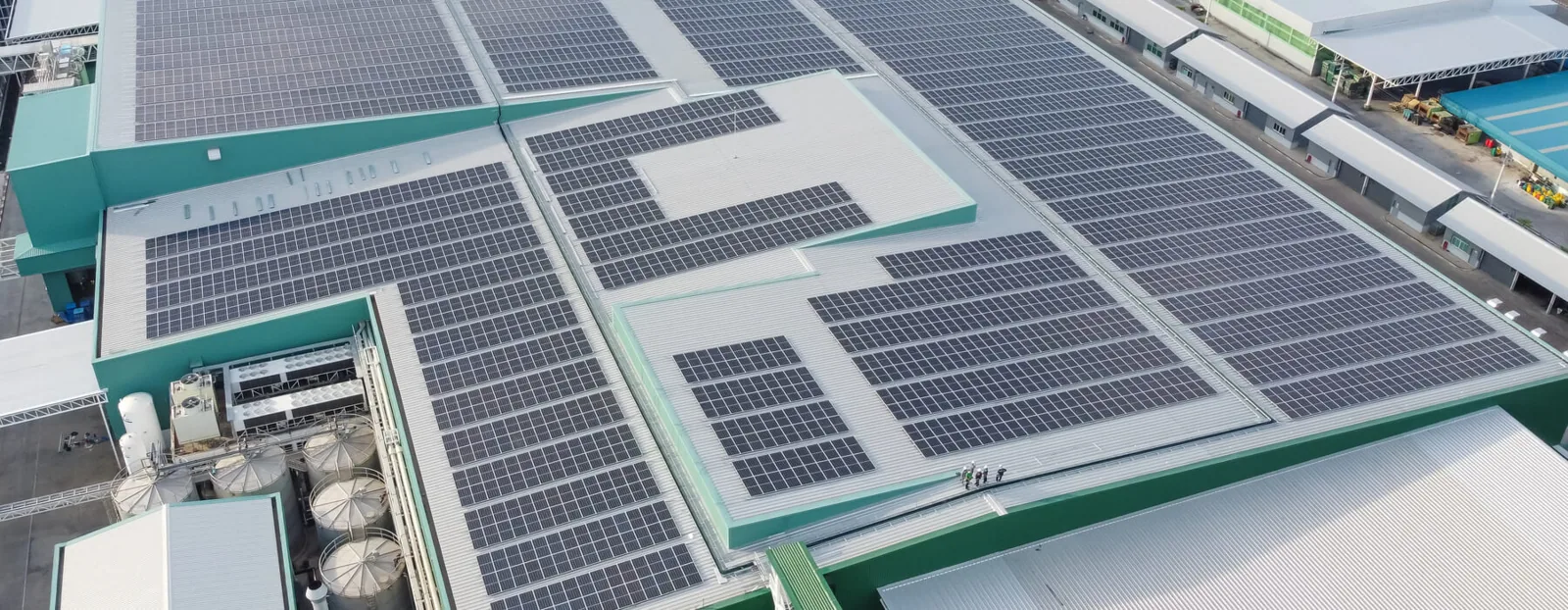
Remaining roof life is the first number a solar plan needs. An array can stay on a roof for decades, and removing it to replace the membrane beneath costs far more than the replacement itself. The roof record therefore starts with a plain reading of the membrane: its type, its condition, the moisture state of the insulation under it, and the repairs already on file. If the roof will not outlast the array, the reroof comes first, and the solar contractor installs on a surface that is new.
For commercial owners in Nampa, ID, the case for solar rests on the Treasure Valley's dry warm season. The roof's job is to carry the array without leaking, to stay serviceable beneath it, and to give electricians and roofers a clear record of what lies under each mounting point. Preparing the roof is the part we do, and the structural and electrical design stays with the engineers and the solar contractor.

Condition Before Mounting
Before a rack is placed, the roof is surveyed. An infrared moisture survey and core cuts show whether the insulation is dry, and a probe test finds soft spots. Seams are checked for adhesion, flashings for cracks, and drains for blockages. Any repair that would be hard to reach after the array is installed is done first.
The survey also records the membrane type, since attachment methods differ. A mechanically attached array on a metal roof clamps to the seams. A ballasted array on a single-ply roof rests on protective pads. A penetrating mount on any roof requires a flashing detail that is compatible with the membrane. The roof record lists the proposed mount type per section, flagged where the membrane or the warranty may limit the choice.
Load and Structure
Solar panels add weight, and ballasted systems add more. The city's criteria start roof design loads at 25 pounds per square foot uniform and list a 20 pound ground snow load with a 115 mph ultimate wind speed. Whether the structure can carry an array in addition to its existing load is a question for a structural engineer, who reviews the framing, the deck, and the proposed mounting plan.
Snow behaves differently on an array. Panels can shed snow in sheets onto the lower roof, and drifting around racks creates uneven loads. Wind tests the array's edges and its attachment. We provide the roof side of the information: the deck type, the insulation, the roof's repair history, and any prior ponding that would add to the load. The engineer decides what the structure can carry, and the finding goes into the file.
Mounting Points and Flashing
Every penetrating mount is a new opening in the roof, and each one has to be flashed. Raised standoffs with sealed bases, pre-molded boots, and curb-style mounts are used depending on the membrane. The flashing detail is chosen from the membrane manufacturer's recommendations, with the mount type recorded for each location on the plan. A penetration flashing failure beneath an array is hard to find and hard to repair.
Non-penetrating systems avoid new openings, but they add weight and need protective layers between the ballast and the membrane. Walkways between rows allow access for maintenance, and drains must not be blocked by racks. The plan shows how water leaves the roof past the array, with a clear path to each outlet.
Working With the Solar Contractor
The roofer and the solar installer share the roof, and the order of work matters. Roof repairs and any reroofing come first, with any roof warranty issued before racks are placed. The solar contractor then installs, and a roofer is present or on call for the mounting and flashing details. After installation, the roof is inspected again, with photographs of each mount.
Electrical work crosses the roof too. Conduit runs, junction boxes, and inverters add penetrations, and the electrical design follows the codes the city lists, which include the 2023 National Electrical Code. We coordinate the conduit supports and the flashing so electrical routes do not lie in water or press on the membrane. All parties get the same roof plan, which prevents argument later over who damaged what.
Large Roofs Near I-84
Industrial tracts in the north quadrant near I-84 are where an owner may weigh an array, and the city's North Nampa Industrial Area program points to continued industrial investment. Owners of a warehouse roof there may consider arrays, and the roof's remaining life is the first filter. In the Gateway District, where commercial properties sit near light and heavy industrial areas, the same question applies to retail and office roofs.
Under the State Highway 16 plan, structures within 500 feet of the road may not carry roof-mounted mechanical equipment. That restriction is written for mechanical units, and anyone planning an array near that corridor should confirm with the city how its plan treats solar equipment before design work begins.
Removal and Reset for Reroofing
Sometimes an array is already on the roof when the membrane fails. The roof then has to be reached without destroying the array, and the sequence is written out before the first panel moves: electrical disconnect by the licensed electrician, panel removal and labeled storage, racking removal, membrane work, and reinstallation. Each step carries a photograph and a responsible party.
The repair or reroof covers the area beneath and around the array, then the racks are reset on new mounting points or the old ones are reflashed. Because the array has to come down once, the membrane chosen at that moment is selected for the next array lifespan. That decision is the main reason roof life is checked before an array is first designed, when it costs nothing extra to do it right.
Maintenance Under an Array
A roof beneath an array is harder to inspect. Racks block sight lines, and debris collects at the edges of the array. The maintenance plan therefore includes scheduled walks between rows, with photographs of the membrane near each mount, and drain clearing at the outlets nearest the racks. A maintenance program set up before the array goes in is easier to carry out than one improvised later. The plan also sets a camera route through the array, so the same mount photographs are retaken each season and any flashing that starts to lift shows up against the earlier frame, before water has a chance to reach the deck.
Questions
Should the roof be replaced before solar goes on?
If the membrane will not last as long as the array, yes. Removing and resetting an array to reroof is costly. The condition survey gives the remaining life, and we state the finding in the file.
Can an array void a roof warranty?
It can, if the mounts or the installer are not approved under the warranty terms. Send the warranty to us before design, and we coordinate the mounting details with the membrane manufacturer's requirements.
What does a solar installer need from the roofer?
The membrane type and age, the moisture survey, the drain locations, and the repair history. We assemble them into a roof record that the installer and the engineer can use.
Do arrays hurt drainage?
They can, if racks sit over drains or block water paths. The layout plan keeps outlets clear and leaves room for debris removal. Ponding near racks is recorded in the file.
Who is responsible for leaks at solar mounts?
Responsibility depends on who installed the flashing and what the contracts say. A photographed record of each mount at installation shows who did what, which settles most disagreements.