Service Areas
Commercial Roofing in Downtown Nampa, ID
Roof inspection, repair, and replacement for downtown Nampa, ID buildings, with parapet, scupper, and occupied-building details recorded for the owner's file.
Downtown Nampa
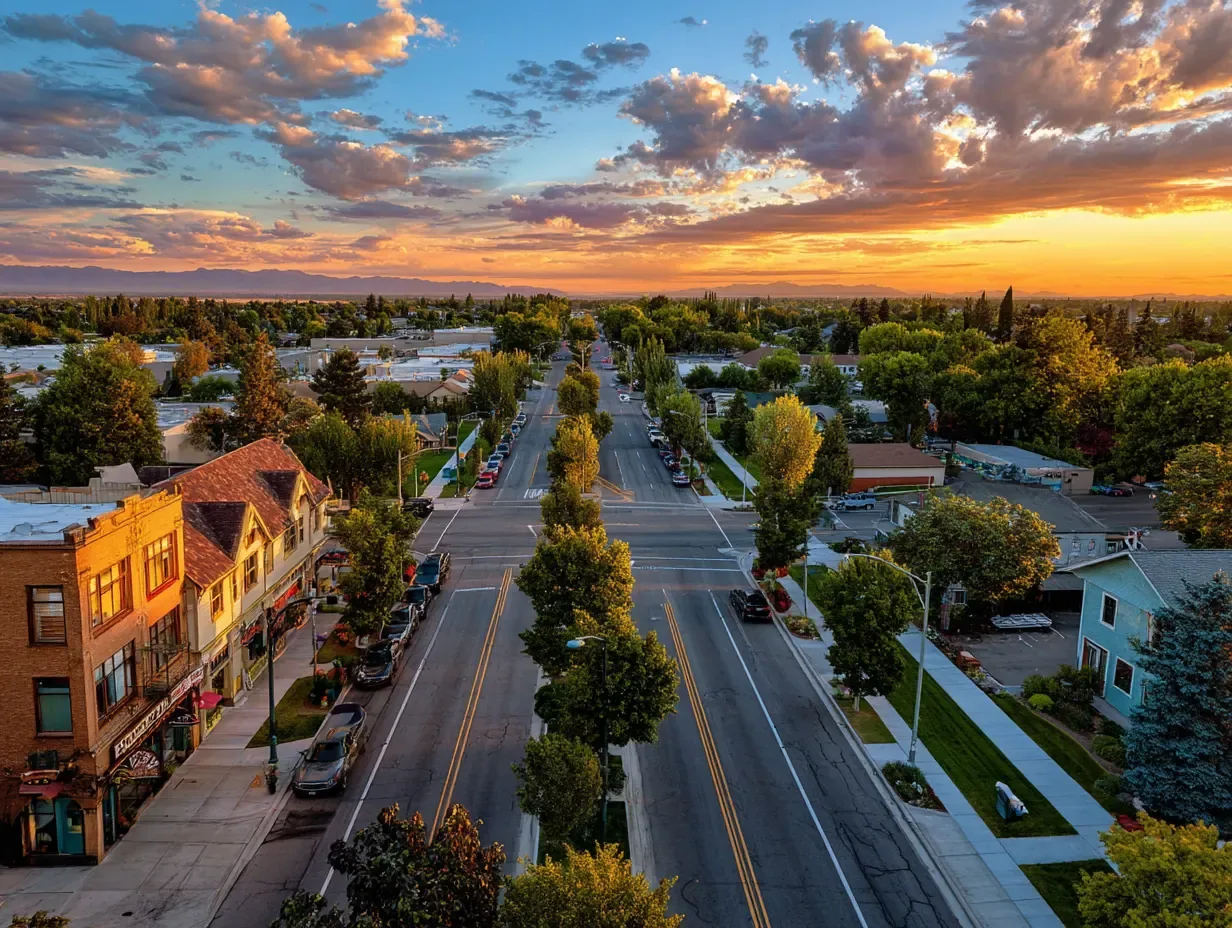
The adopted Downtown Nampa Plan carries a date of October 2025, and a roof record for a downtown building should carry one too. The city lists the plan among its current adopted documents, its comprehensive plan sets the historic downtown apart as its own activity area, within the south quadrant, and its published plans page summarizes ongoing implementation work. Downtown Nampa, ID is therefore a district with active planning, and an owner who holds a dated roof file is better placed when the street around the building changes.
Our work here starts with the roof sections, the parapets, and the drains. We walk each roof, number the sections, and photograph the same positions every visit. What we record is what the roof shows today: membrane, flashing, edge metal, and water paths. We do not assume the age or the system of a building from its address or its look from the street.
Dated Records for a Planned District
A planning document sets the direction for a district, but it does not describe any single roof. The useful link between the two is the owner's file. When a property is sold, refinanced, or renovated, a lender or buyer asks what condition the roof is in and what has been done to it. A dated photo sequence, moisture readings, and a list of repairs answer that in an afternoon. Without them, the answer requires a new inspection and a delay.
We produce that file for downtown owners as part of a roof condition report, with each roof section shown on a plan and each finding tied to a photograph. When the owner later schedules work, the report becomes the baseline against which the finished work is checked.
Parapets, Scuppers, and Shared Walls
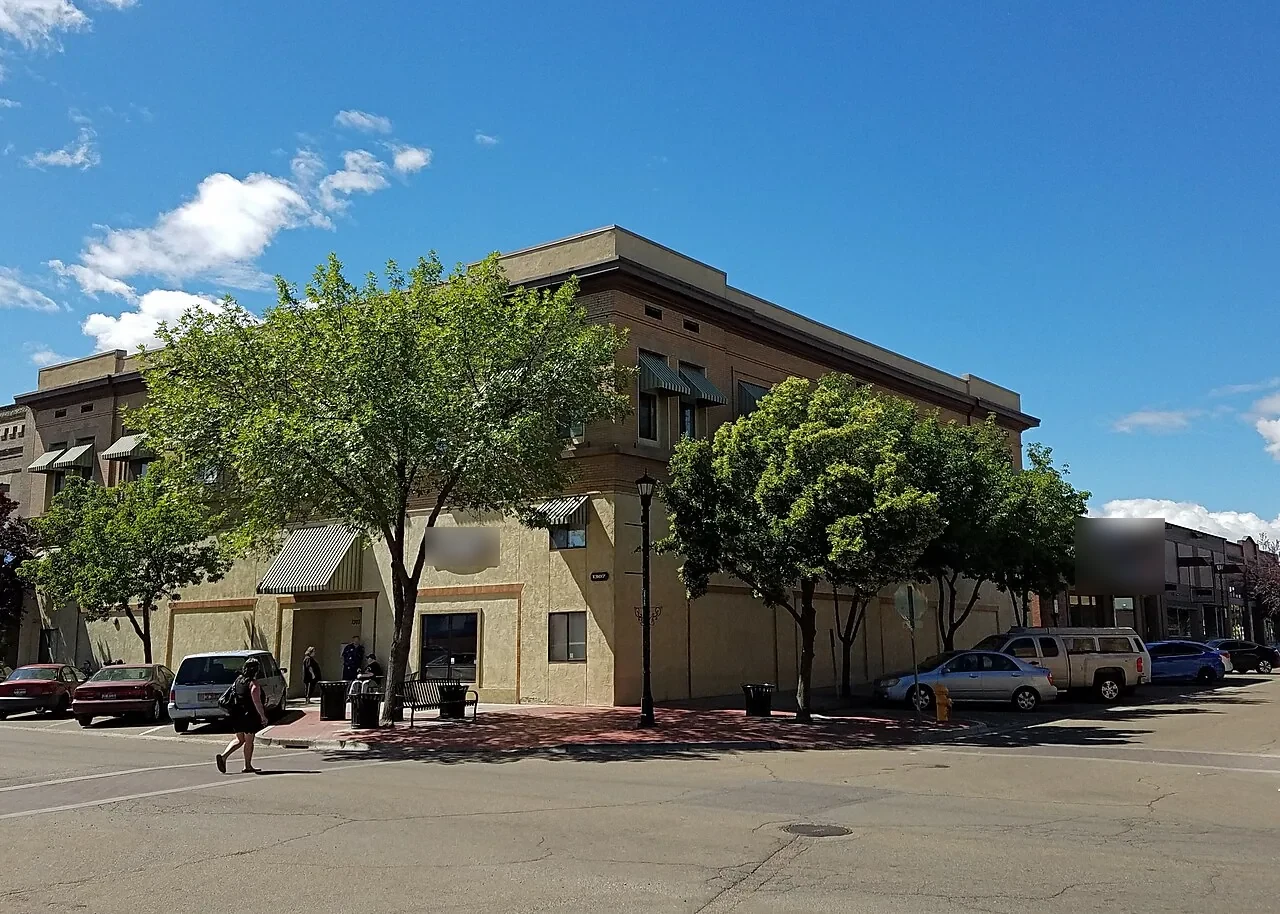
Where a downtown roof is ringed by parapet walls and drains through scuppers or interior drains, those details get checked first. A parapet cap that has lost its slope holds water against the wall. A scupper set above the membrane leaves a lip where water stands. A flashing that terminates under loose mortar admits water behind the wall. Where two buildings share a wall, the flashing at the joint has to move with both structures.
Fixing those details is usually the first repair, and it is small compared with a replacement. The drain and scupper work and the edge metal and coping work are each documented with before and after photographs so the owner sees what changed.
Working Over Occupied Space
A downtown building is often occupied during roof work. Offices, shops, and restaurants keep their hours, and the roof crew plans around them. We stage tear-off in sections so the open area is small, protect the interior below with temporary covers when needed, and close each day's work watertight. The occupant knows the sequence in advance, including which hours are noisy and where the crew will be walking.
For a restaurant roof, we also look at exhaust curbs and grease management, since those wear the membrane in a way an office roof does not. The plan for reroofing an occupied building sets noise windows, safe pedestrian paths, and the point where each section becomes watertight again.
Membranes on Flat Downtown Roofs
Flat roofs behind parapets can carry several kinds of system. A multi-ply asphalt roof, a modified bitumen membrane, a single-ply sheet, or a coated surface may each be present, and sometimes more than one layer of an older system lies beneath the top surface. Reading them takes a probe, a cut sample, and sometimes a look from below. We record what we find, because the replacement method depends on it.
A built-up roof that still sheds water may need only flashing and surface repair. A single-ply membrane with open seams might be cut out and welded. Where the system has reached the end of its useful life, the options are a recover, if the insulation is dry and the structure can accept the added layer, or a tear-off. On loading, the city asks for at least 25 psf of uniform roof load, and the structural documents decide what a given building can carry.
Open Questions and Test Plan
Every downtown walk leaves a few questions that only a test can answer. Is the insulation under a stained ceiling tile wet, or is the stain from old water that has since dried? Does the deck show corrosion or rot where a scupper meets the wall? Was the last patch bonded to the existing membrane or simply sealed over it? We list each question on the roof plan with the test that will settle it, such as an infrared scan, a core sample, a hose test at the scupper, or a peel test at the patch edge.
The answers go into the file with a date and a photograph. If a test shows the roof is sound, the record says so and the follow-up date moves out. If it shows moisture, the repair limit is drawn around the wet area. This keeps a repair scope tied to measurements, and it lets the owner defer work on sections that are sound without losing track of them.
Snow, Ice, and the Street Below
A downtown roof drops snow and ice toward sidewalks, and that adds a safety dimension to ordinary winter drainage. Ground snow is figured at 20 psf in the city criteria, and the valley takes most of its yearly moisture, over three quarters of it, between November and May. We watch the edge metal, the gutters, and the downspouts for ice buildup, and we flag any roof edge that sheds onto a public walk.
Where a roof has no gutter, a snow guard or a recess can be considered. Where it does, we check the gutter slope and the strength of the brackets. A maintenance visit before the first freeze catches most of these problems.
Closeout File
The file given to the owner includes the roof plan, the sequence of photographs, the test results, the repair limits, and the follow-up date. Owners in Downtown Village and the wider south quadrant receive the same format, so a family of buildings can be compared on one page.
Questions
Does a downtown planning document affect my roof work?
Not directly. The plan sets district direction, while a roof is governed by the building code and the owner's structure. The city adopted the 2018 IBC, and we confirm requirements for each scope.
How do you find out what is under the top surface of an older flat roof?
We cut a small sample, probe the layers, and, where access allows, look at the deck from inside. The results are recorded by section, with the thickness and condition of each layer.
What should an owner do before selling a downtown building?
Gather the roof plan, repair invoices, and warranty papers, and ask for a condition report. A dated photo record answers a buyer's first question without a second visit.
Is a recover possible over an old multi-ply roof?
Sometimes. The insulation must test dry, the surface must be sound, and the deck must carry the added weight. A moisture scan and a few cores decide it, and the report shows the numbers.
Who handles the noise complaints when the crew is working over a shop?
We set the noisy hours with the occupant before the work starts and post them to everyone below. If a complaint arrives anyway, we adjust the sequence the same day.