Industries We Serve
Roofing for Real Estate Investors and REITs in Nampa, ID
Roof surveys, capital schedules, and repair records for real estate investors and REITs owning commercial buildings in Nampa, ID and the Boise metro area.
Real Estate Investors and REITs
An acquisition model that carries a single line for roof reserve is guessing at a number that the roof will eventually state for itself. Investors and REIT asset teams buying in Nampa, ID need that line to rest on a field observation: which roof sections are sound, which are near the end of their service, which carry wet insulation, and which have repairs that were never recorded. We produce that observation as a written file, with photographs and numbered roof sections, so the reserve reflects the roof and not a rule of thumb.
The same file serves the hold period and the exit. A buyer's lender at sale will ask what the roof has been through, and an owner who can produce dated inspection records, repair limits, and warranty paperwork negotiates from a stronger position than one who offers memory.
Market Position
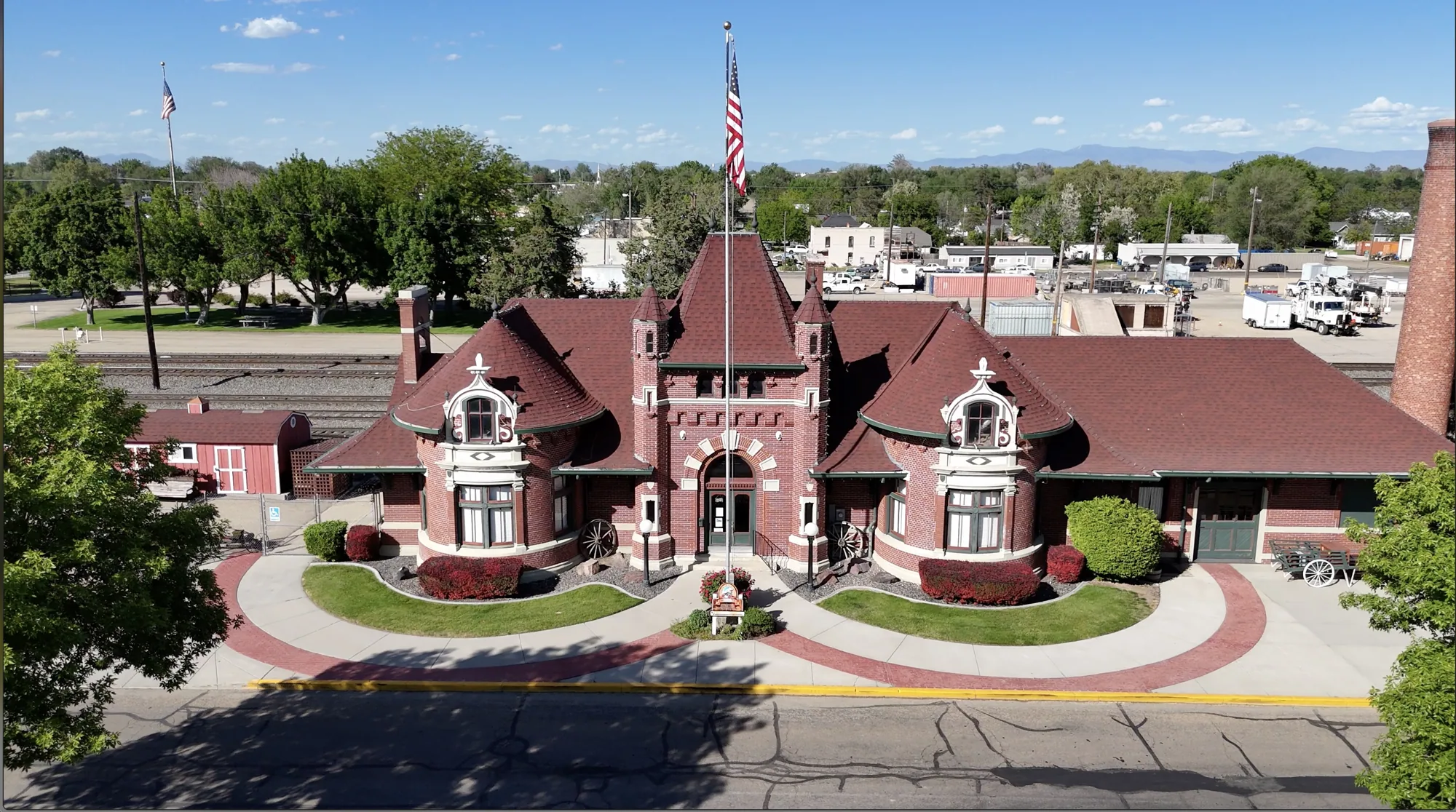
Nampa is some 20 miles from Boise on I-84, and the state labor department counts Canyon County in the Boise metropolitan area with Ada, Boise, Gem, and Owyhee. For an investor, that makes Nampa a Boise-metro asset with its own stock of buildings: the north quadrant plan places large industrial tracts and regional commercial property along the interstate, and the east quadrant plan sets the Gateway commercial district beside light and heavy industry.
The city also lists a North Nampa Industrial Area program aimed at infrastructure and industrial investment. Investors who buy or build warehouse and manufacturing space in that direction are taking on low-slope roofs whose service life will not be known until a survey is done. That is where our work starts, on the roof the offering memorandum does not describe. A buyer in the east quadrant is looking at a different set of buildings from one in the north, and the survey keeps those differences visible instead of averaging them away.
Acquisition Roof Survey
Before closing, the roof is walked section by section. We record the membrane type, the seam and flashing condition, the drainage path, the rooftop equipment, and visible signs of past repair. Where the surface or the interior suggests trapped moisture, an infrared moisture survey gives a map of wet insulation, and core samples confirm what the map suggests. The result is an item list that a buyer can price against the purchase terms.
The survey also records what could not be reached, such as a section under snow or an area blocked by equipment. Those items go on the list as open questions, with the test that would resolve them, so the buyer does not discover a concealed condition after the deadline has passed. Our due diligence roof surveys follow this format.
Reserve and Capital Schedule
Once the survey exists, it feeds a schedule. Each roof section receives a condition rating, an estimated window for repair or replacement, and a note about whether coating, recover, or full replacement fits the deck and insulation underneath. Because the city sets a 25 psf uniform roof load floor beside its 20 psf ground snow figure, a recover that adds weight needs a check against the structure. A capital plan built from these records lets an asset manager spread spending across years and avoid two replacements landing in one budget cycle.
Cost drivers are named, not buried: tear-off versus recover, insulation condition, number of penetrations, access for the lift, tenant schedule, and weather window. The investor sees which factors move a number and which do not. A section with dry insulation and a sound deck prices as a coating or recover candidate, while a section with saturated insulation prices as a tear-off, and the file keeps the core results that separate the two.
Hold-Period Records
During the hold, the discipline is repetition. A yearly walk, the same photograph positions, and a short condition update keep the file current. When a storm or a leak call arrives, the new observation is added to the same numbered section, so the owner can see whether a ponded area grew or a seam opened further since last year. Between the cool wet season, which in the Treasure Valley carries over 75 percent of annual precipitation, and the dry warm season, the roof goes through a full freeze-thaw and a full heat cycle each year, and the file shows how the membrane responded.
Where a manufacturer's warranty applies, warranty records sit in the same file, with inspection dates and repair notices that preserve the owner's position. Investors who use a third-party manager can hand the same record to a property management company without losing continuity.
Lease and Tenant Interface
Roof responsibility is written differently in every lease, and the survey is where that wording meets the roof. A triple-net tenant may be responsible for routine upkeep while the owner carries the membrane. A multi-tenant building may split costs by square footage of occupied space, even when the leak is over one bay. Before a repair is priced, we ask for the lease clause that governs it, so the scope is written to match who pays and who approves.
The roof file also helps when a tenant adds equipment. A new rooftop unit, a satellite dish, or a solar mounting frame changes load and penetrations. Our record shows the membrane around the proposed location, the flashing details nearby, and whether the area was already patched. The owner can then approve, restrict, or condition the request with facts in hand, and require a protection layer or a licensed flashing detail before anyone opens the membrane.
Where the tenant is a national occupant with its own facilities contractor, the same file lets that contractor see the roof's real condition, so a disagreement over cause can be settled from photographs taken on known dates, not from recollection.
Exit Documentation
When a building is marketed, the buyer's roof consultant will ask for the same items we have been collecting: dated photographs, repair limits, test results, and invoices for each repair. A seller with a complete closeout file shortens that conversation. A seller without one may hear a larger reserve demand, because the buyer prices uncertainty at the top of the range.
For industrial assets, such as warehouse roofs leased to logistics operators, the file may also show whether a tenant's rack layout or conveyor addition changed foot traffic over the membrane. That history explains wear patterns and keeps the owner from paying for damage that a tenant caused.
Questions
What does the roof survey add to an acquisition budget?
It replaces an estimate with a ranked item list. Each roof section carries a rating, a repair or replacement window, and the open questions that a test could settle before the closing date.
Can a REIT use one roof format across properties in different towns?
The format is portable: numbered sections, repeatable photographs, and condition ratings. A Nampa warehouse and a roof in Meridian would be reported the same way, which lets a REIT compare them directly.
How is wet insulation found without opening the whole roof?
An infrared pass or a meter survey locates likely wet zones, and a small number of cores confirms them. The core locations are marked on the plan and patched the same day.
Do you advise on whether to buy a building?
We report the roof. The investor decides the price. Our survey states the condition, the likely work, and the factors that move cost, and the buyer applies those findings to the deal.
When does a recover make sense for an investor?
A recover fits when the existing insulation is dry, the deck is sound, and the structure can carry the added layer. A moisture survey and a structural check decide it, and the file keeps both records.
What happens to the file if the building is sold?
The photographs, ratings, repair limits, and test results transfer to the buyer with the sale documents. Warranty records transfer only as the manufacturer's terms allow, so the dates are kept in the file to support that step.