Service Areas
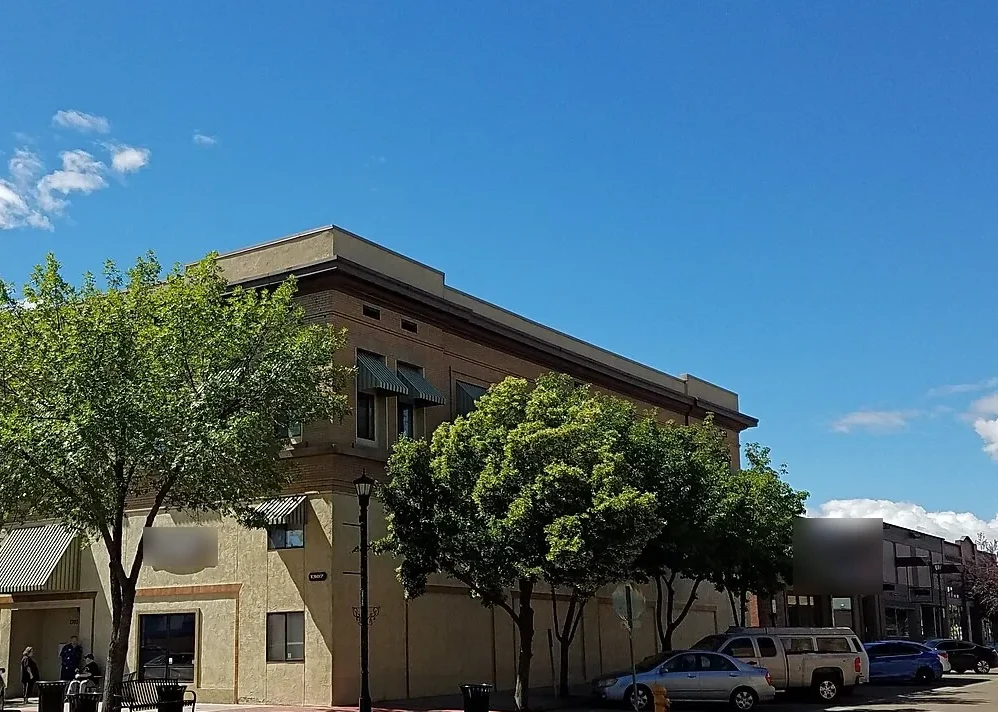
Commercial Roofing in Franklin Boulevard Corridor, Nampa, ID
Leak repair, storm response and roof replacement for commercial buildings along the Franklin Boulevard corridor in Nampa, ID, documented section by section.
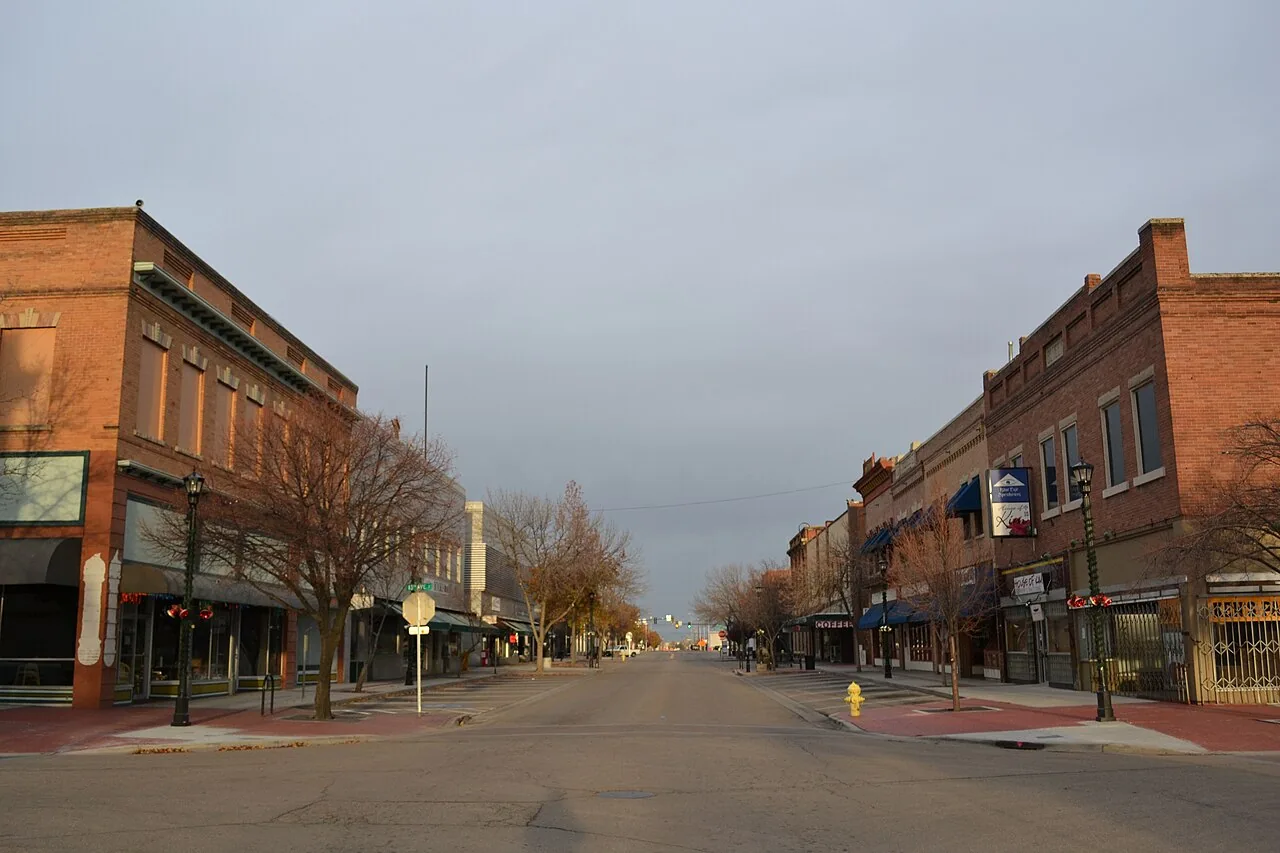
Franklin Boulevard Corridor
Date, section number, observed condition: those three entries open every leak call on Franklin Boulevard in Nampa, ID. Franklin Avenue is one of the I-84 overpasses named in the city's north quadrant plan, and the same plan marks the Highway 20/26 and Ustick corridors as major commercial and industrial routes in that quadrant. A building owner on that part of town may be dealing with a stain, a drip or a ponded area and need to know which part of the roof is responsible.
Emergency calls are answered at any hour, holidays included, and the first visit produces a dated condition note.
Leak Tracing Sequence
Interior water rarely appears under the spot where it enters the roof. It travels along the deck, a purlin or a duct before it drips. So the trace starts on the roof, not at the stain. We mark the stain location on the roof plan, then walk outward from that point and check, in order, the nearest drain, the nearest penetration, the nearest seam, the nearest wall flashing and the nearest piece of edge metal.
Each candidate is photographed and tested by hand. A seam is pressed for movement, a flashing is checked for lift, a sealant bead is probed for cracking. If none of the visible candidates explains the stain, the next step is a moisture scan: a handheld meter pass for a small area, or an infrared survey for a larger one. Core samples confirm wet insulation.
The written record separates the cause we confirmed from the causes we ruled out, so the owner does not pay twice for the same investigation. The same order governs every commercial roof leak repair, so two visits to the same building can be compared line by line.
After-Hours Response
When a leak is active, the first goal is to stop water from entering the building. The emergency visit places a temporary seal, a patch or a tarp, photographs the opening before and after, and records the weather at the time. The permanent repair is scheduled after the roof is dry and the cause is confirmed.
The emergency roof repair note stays in the file and becomes part of the later scope. If the damage came from a storm, an insurer will want the photographs, the time of discovery and a description of the temporary work. We assemble those items in one packet, and the claim documentation that follows draws from it.
Snow adds a separate set of questions. Winter design in the city's criteria comes down to three numbers: 20 pounds of ground snow, a 25-pound roof minimum and a 10 degree design temperature. When snow melts on a warm afternoon and refreezes overnight, the meltwater can pool at drains and scuppers. We clear those paths and record the ice conditions in the note.
Moisture Mapping After a Leak
A leak that has run for a season leaves wet insulation behind. The interior stain dries; the insulation does not. If the roof is patched and the wet layer stays, the next cold snap turns trapped water to ice, the board swells, and the membrane above it lifts. So the file records whether the insulation was tested, how, and where.
For a small area, a handheld moisture meter pass over a grid gives a quick read. The grid is marked in chalk and photographed so the readings can be checked later. For a larger roof, an infrared scan taken after a sunny day shows warm wet zones as the roof cools at dusk. Either way, a core cut at the highest reading confirms the finding by showing the insulation type, thickness and condition. The core is resealed the same day with matching membrane.
Wet areas are cut out to the edge of dry material and replaced with new insulation and a membrane patch lapped onto sound surface. The repair limit written in the file shows where the cut ended and what test supported it. If the wet area is too wide for patching to be sensible, the scope revision says so and prices a larger section.
Repeated stains in the same room call for this mapping before a third patch is authorized.
Wall and Parapet Flashing
On commercial roofs, the line where the roof meets a wall is a frequent source of water entry. The membrane turns up the wall, a termination bar or a metal counterflashing holds it, and sealant closes the top edge. Over time the sealant dries, the bar loosens, and the wall itself can move slightly with temperature. We inspect the full length of each wall termination and note any gap, lifted edge or open seam.
A repair of a flashing is more than a bead of sealant. The old material is cleaned back to sound substrate, new flashing membrane is lapped under the counterflashing, and the termination is fastened and sealed. The photographs show the area before cleaning, after cleaning and after the final seal. If the parapet cap is loose or missing, edge metal and coping work comes before the membrane repair, since a cap that lets water behind the wall will undo the flashing job.
Repair or Replace Decision
A repair is the right answer when damage is limited to identified spots and the surrounding insulation is dry. Replacement is the right answer when moisture is widespread, when the membrane has aged unevenly across the whole roof, or when the cost of repeated repairs approaches the cost of a new system. The owner sees the figures side by side, with the test results behind each.
For a full replacement, the scope lists the tear-off area, deck repairs, insulation thickness, membrane type, flashing details and edge metal. Insulation value and fastening pattern are checked against the 2018 building and energy codes the city has adopted. Single-ply options such as PVC and TPO are heat welded, which gives continuous seams, and EPDM suits owners who prefer a rubber membrane with adhered or ballasted installation.
Neighboring Corridors
Owners with property on more than one road keep separate files for each address. A building on the Karcher Road corridor may be on the same maintenance calendar as one on Franklin, but the inspection findings, repair limits and follow-up dates belong to the roof, not the road. A building on the Robinson Road corridor sits in the east quadrant, where the plan describes a county-to-city transition, so its approvals and its roof history may follow a different path.
Questions
Where should I look first when a ceiling tile is stained?
Mark the tile, note the date, and send the location. Water travels along ducts and framing, so the entry point is usually offset from the stain. We trace outward from the mark on the roof.
What does a temporary repair include?
A seal, patch or tarp over the opening, with photos before and after and a note on the weather. Permanent work waits for a dry roof and a confirmed cause.
Which photographs does an insurer ask for?
Wide shots of each roof section, close shots of each damaged detail with its location marked, and interior photographs with dates. We assemble them in one packet with the temporary repair record.
Is wall flashing a cheap fix?
The material cost is small, but the cleaning, lapping and termination work takes care. A shortcut of sealant over a loose bar fails again in the next freeze-thaw cycle.
Why does the design snow load matter to a leak repair?
The 20-pound ground snow figure is a design reference, but any snow that does sit on a roof turns to meltwater that tests every drain, seam and flashing, so those details are checked first.