Commercial Roofing Services
Roof Insurance Claim Assistance in Nampa, ID
Documentation and coordination for commercial roof insurance claims in Nampa, ID: dated photo sequences, damage scopes, and repair records.
Roof Insurance Claim Assistance
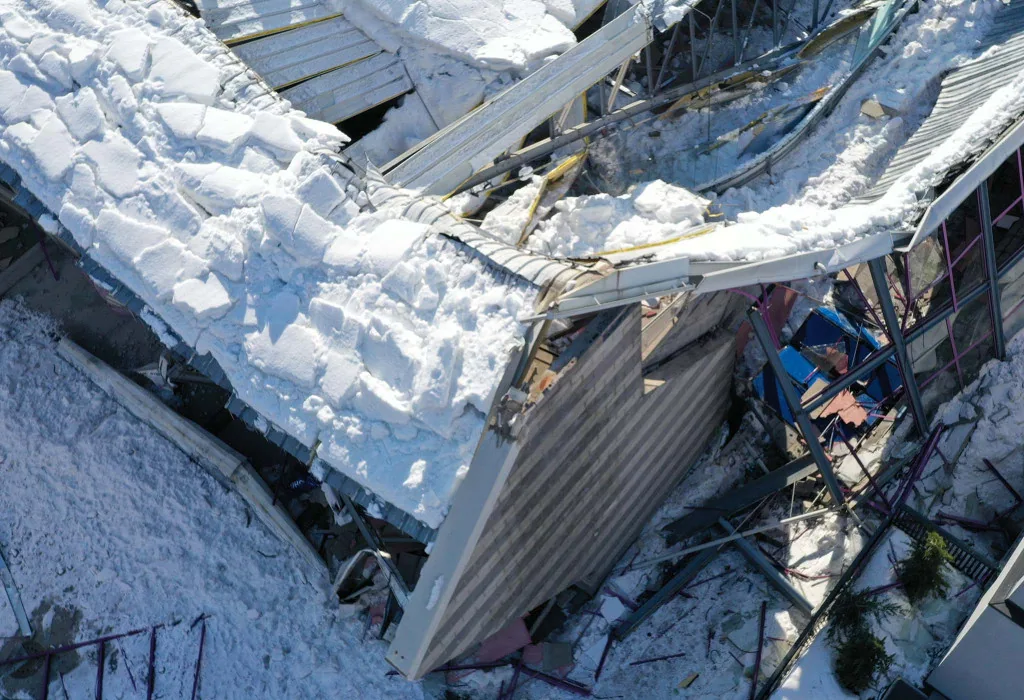
An adjuster decides what to pay from the file in front of them, so the file has to be ready before the adjuster arrives. For a roof, that means dated photographs of the damage in place, a roof plan with each affected area marked, a written description of cause, and a repair scope priced by line. Each of those items answers a question the carrier will ask. When one is missing, the claim slows down while the missing item is requested, and the roof stays exposed in the meantime.
Commercial owners in Nampa, ID can meet this process during or just after a storm, with water entering the building and a tenant calling. The roofing contractor's role is documentation and coordination: record what is on the roof, separate new damage from older wear, and give the owner and the adjuster the same facts. The decision on coverage belongs to the carrier, and we do not predict it.
Evidence Before Repairs
Temporary protection comes first, because most policies expect the owner to prevent further loss. The record shows what was found before any tarp, patch, or debris removal. Wide photographs place each defect on the roof section, and close photographs show the damage itself with a scale reference. Interior images of stains, wet ceiling tiles, and affected equipment are taken the same day and tied to the roof location above them.
Removed materials matter too. A torn flashing or a section of damaged membrane can be bagged and labeled with its location, so the adjuster can inspect it if requested. Photographs of the repair in progress follow the same numbering. This sequence is the evidence that connects the storm event to the repair line items, and it is simplest to build when it begins before the first repair.
Cause and Condition Findings
Carriers separate sudden damage from long-term deterioration, and the findings have to make that separation on the roof itself. Fresh uplift at an edge, the usual sign of wind damage, clean tears in a membrane, and displaced coping point to a recent event. Weathered splits, long-standing ponding stains, and aged sealant point to wear. A roof usually shows both, and the findings list them separately with photographs and locations.
The city's criteria carry a wind speed of 115 mph and a snow figure of 20 pounds per square foot, and they list no wind-borne-debris zone for Nampa. Those figures describe design expectations, not what happened on a given roof, so the finding relies on observed conditions. A roof condition report completed before a loss is the strongest comparison, because it shows what the roof looked like beforehand.
Damage Scope and Line Items
The scope names each repair by location, method, and quantity, so the adjuster can compare it with what they observed. A line might read: remove and replace damaged insulation board in the northeast corner section, install new membrane patch with welded seams, and reset perimeter edge metal. Each line carries the photograph numbers that support it.
Where the damage spreads across a large section, the scope may call for replacement of that section instead of a series of patches, and the reason is stated: the extent of wet insulation, the failure pattern along seams, or the age of the remaining membrane. The adjuster may disagree with a line, and the file makes the disagreement specific. A difference over two lines is easier to resolve than a general dispute about the whole roof, particularly when the storm repair record is complete.
Moisture Mapping as Support
Hidden water is a common point of disagreement. A membrane tear may be small while the wet insulation beneath it extends many feet, and only a survey shows the true boundary. An infrared survey followed by core cuts at the wet edges gives a measured area to include in the scope, supported by images that an adjuster can review.
The same map protects the owner after the claim. If a carrier pays for the area that the survey shows and the repair is performed to that boundary, there is no argument later about whether wet material was left in place. Where a survey is skipped and the repair leaves moisture behind, the roof often fails again at the edge of the patch, and the second failure becomes its own argument.
Coordinating With the Adjuster
We attend the adjuster's roof walk when the owner asks us to. The purpose is to show the findings and answer questions about method, not to argue coverage. We bring the photo sequence, the roof plan, and the scope, and we note the adjuster's observations in the file with the date. If the adjuster's estimate differs from ours, the difference is listed line by line with the reason from the roof.
An owner in the north quadrant between I-84 and the Boise River, or in the Gateway District in East Nampa, may carry several buildings under one policy. Each roof then receives its own file, and the group is summarized for the carrier so one building's findings are not mixed with another's. Insurance restoration work follows the same discipline across a portfolio.
Repair Records After Payment
A claim does not end when the carrier issues a payment. The repair that follows has to match the scope that was approved, and the closeout file shows that it does: completed photographs for each line item, the materials used, test results where seams or flashings were checked, and any change to the scope with the reason for it. If concealed damage appears once the roof is opened, the photograph and a revised line go to the adjuster before the work continues, because a supplement requested afterward is harder to support.
The same file serves the owner later. It shows the lender, the buyer, or the next insurer what was damaged, what was replaced, and what condition the finished roof was left in. A roof with a clear repair history is easier to insure and easier to sell than one with an undocumented patch.
Questions
What should be photographed before the roof is touched?
The damage in place, from a wide angle that shows the roof section and from close range with a scale reference. Interior stains and affected equipment should be photographed the same day, with dates visible in the file. Temporary protection can proceed once that set is complete.
Will the carrier pay for a full replacement?
That decision belongs to the carrier and depends on policy terms and the extent of covered damage. We document the damage, the failure pattern, and the condition of the remaining membrane, so the replacement question is supported by facts if it applies.
Do temporary repairs hurt a claim?
They usually help, because policies commonly expect the owner to limit further loss. The key is to record the condition first and keep receipts and photographs of the temporary work. Each temporary item is labeled as such in the file.
How are older leaks separated from the storm damage?
By evidence on the roof. Weathered stains, aged patches, and corrosion indicate earlier conditions, while fresh tears and displaced materials indicate a recent event. The findings list the two categories separately, each with photographs and locations.
Can you work with a public adjuster or the owner's attorney?
We provide the same records to whoever the owner designates: photographs, scopes, moisture maps, and repair documentation. We do not give legal or coverage advice, and the owner decides who represents the claim.