Roof Damage Repair
Wind Damage Roof Repair in Nampa, ID
Commercial wind damage roof repair in Nampa, ID: lifted edges, pulled fasteners, loosened metal, and torn membrane found, photographed, secured, and repaired.
Wind Damage Roof Repair
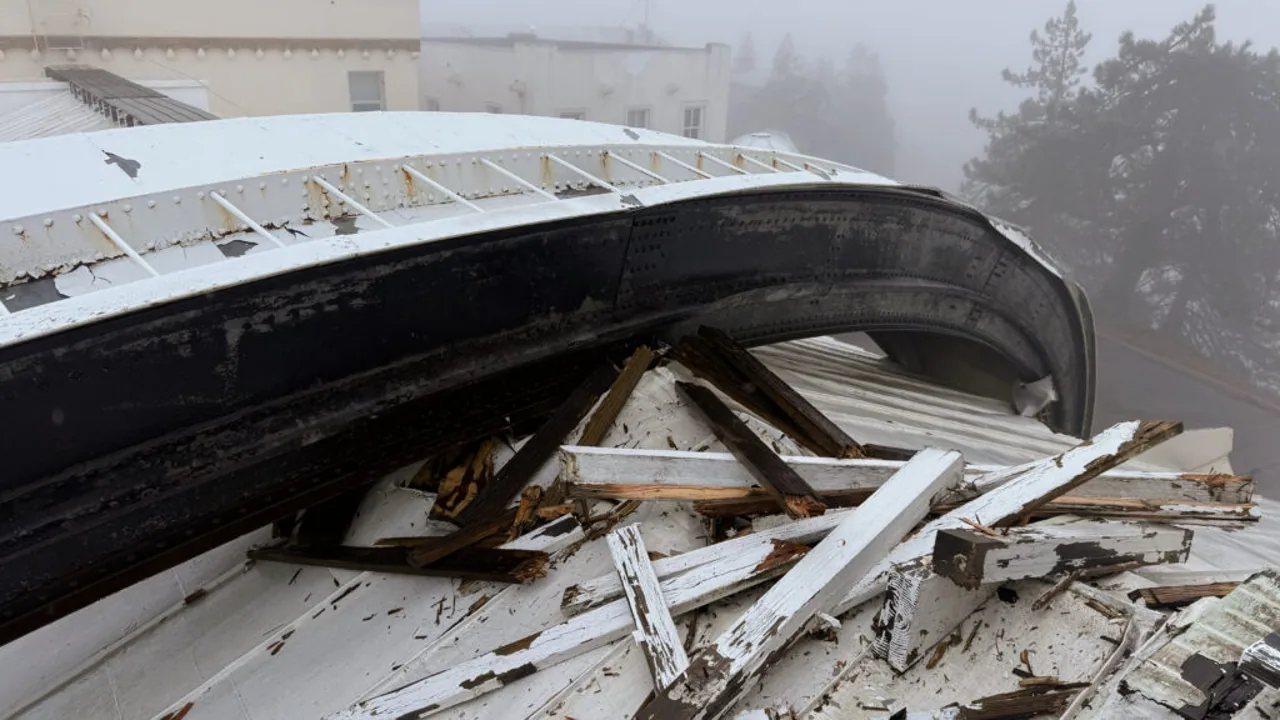
Loose edge metal at a corner tells the inspector where the wind got in. After a high-wind event, the first photographs on a commercial roof in Nampa, ID are taken at the perimeter and at the corners, because those are the zones where uplift pressure is highest and where a membrane that has started to peel shows it first. A flap of loose membrane, a shifted coping cap, a row of backed-out fasteners: each is numbered, located on the plan, and photographed before anyone touches it. That sequence becomes the record the owner and the insurer will read.
The repair follows the record. A roof that has been lifted but not torn can often be re-secured. A roof that has been torn open needs a patch or a section replacement, and a roof whose deck or insulation has moved needs a closer look before anything is attached to it.
Local Design Wind Speed
The city's design criteria use an ultimate wind speed of 115 mph, and they list neither a special wind region nor a wind-borne-debris zone. Those are design values for new construction, not a description of what any one storm did to any one building. They matter to a repair because a roof assembled to current criteria has attachment patterns sized to that speed, and an older roof may have been built to a lower one. When a section lifts, we compare what we find with the attachment that is actually in the deck.
The inspection therefore asks two questions: what did the event do, and what was the roof's resistance before it? Fastener spacing, adhesive coverage, edge metal gauge, and the condition of the substrate all answer the second question. Where the roof had weak attachment before the storm, the record says so, because the repair will need to correct it or the next wind will lift the same section.
Edges, Corners, and Perimeter Metal
Wind pulls hardest at corners and edges, so the perimeter is where we start. We check coping caps, fascia, gutters, and drip edges for movement, for open joints, and for fasteners that have backed out. A cap that has shifted a half inch has already broken its sealant line and opened a path for water. A bent drip edge lets wind get under the membrane edge and peel it back.
Repair of the edge starts with securing it: replacement of damaged edge metal and coping, new fasteners in sound substrate, and fresh sealant at joints. If the membrane has peeled from its termination, it is re-adhered or re-fastened with a termination bar, and the new work is lapped over the sound membrane. Along Highway 20/26 and the Ustick corridor, farmland is giving way to industrial and regional commercial buildings, so exposure can change from lot to lot. The record describes each roof by what the site shows: open ground on one side, a neighboring wall on another.
Membrane Lift and Tears
A mechanically attached membrane that has billowed in wind can pull its fasteners through the sheet or work them loose from the deck. We look for lines of stress, fasteners that sit proud of the surface, and seams that have separated near the billowing area. In a fully adhered system, wind can pull the membrane away from the substrate in a blister or break the bond at a seam. A ballasted roof can lose stones at the edge and expose the membrane to uplift.
Where the membrane is torn, the repair depends on type. A single-ply sheet is cut back to sound material and patched with a welded or adhered piece that extends past the damage on every side. A TPO membrane is typically heat-welded. Modified bitumen uses torch or cold adhesive. In each case, the patch edge is probed and the weld or bond tested. The nearby seams are checked too, since a wind event can open a seam that looks closed, and the flashings at curbs and walls get the same attention as in any flashing failure repair, because a flap of membrane that moved can drag a termination with it.
Deck, Insulation, and Hidden Damage
The membrane is the part we see. The deck and insulation beneath may have been disturbed too. A section that lifted and dropped back can crush insulation, crack cover board, or leave a gap where water will collect. We press and probe the surface for soft spots, and where the roof has lifted we use a moisture scan to find any water that entered while the sheet was open. A repair over wet insulation will fail, so the survey comes before the patch.
Where the deck itself has moved, the structural question belongs to an engineer, and we stop and report it. The record lists what we saw, where, and how it was photographed, and it identifies the area as outside the roofing repair until the structure is cleared.
Temporary Dry-In and Records
After a storm, water that enters the open roof will cause more damage than the wind did. A tarp, a temporary patch, or sealed edge goes on first, with a photograph before and after. Emergency roof repair runs at any hour for this reason. The temporary work is listed in the file with its location, its method, and a follow-up date.
When a loss may be submitted to an insurer, the file also supports the claim. The photographs, the numbered plan, and the description of what was lifted, torn, or displaced are the documentation an adjuster expects to read. Adjusters and restoration contractors working with us, as described for insurance and restoration work, receive the same file. A wider storm damage scope follows the same numbering.
Preventing a Repeat
After the repair, the question becomes what stops the next event from doing the same. We check whether the edge metal is the right gauge and attached with enough fasteners, whether the membrane termination is mechanically captured, and whether the attachment pattern near the corners matches the zone. Where it does not, the repair scope proposes an upgrade, and the file states which items are repair and which are improvement. The owner decides. A building that holds rooftop units, solar mounting frames, or satellite equipment gets a separate review of every support and mounting point, since a unit that shifted in wind can cut the membrane beneath it, and a mounting bolt that loosened is a path for water. Those items are listed by number alongside the membrane findings, with photographs of each base, so the scope reaches the whole roof and not only the part that tore.
Questions
What is checked first after a windstorm?
The perimeter and corners, where uplift is greatest. Coping, edge metal, and membrane terminations are inspected and photographed before anything is moved.
Can a lifted membrane be re-secured instead of replaced?
If the sheet is intact, the deck is sound, and the insulation is dry, re-adhering or re-fastening can work. A moisture scan and a probe of the substrate decide it.
Does Nampa's design wind speed tell us what happened on my roof?
No. It is a design value for new construction. The repair relies on what the roof shows: displaced metal, pulled fasteners, and torn or lifted membrane.
How is wet insulation found after wind opens a roof?
With a moisture scan and cores at marked points. The map shows how far water traveled while the roof was open.
What if the deck has moved?
We stop and report it. The roofing repair waits for an engineer to clear the structure.
Will a repair prevent a repeat?
It can reduce the chance by correcting weak attachment at the edges and corners. The file separates repair items from upgrade items so the owner can choose.