Industries We Serve
Roofing for Cities, Counties, and Public Agencies in Nampa, ID
Roof condition reports, repairs, and replacement for cities, counties, and public agencies in Nampa, ID, with submittal-ready records and phased scopes.
Cities, Counties, and Public Agencies
Public roof work runs on paper before it runs on a ladder. A city, county, or agency in Nampa, ID must show a board or a procurement office what is wrong, what the repair is, what it will cost to fix, and why the chosen method is sound. The roof record is therefore the main deliverable: a numbered plan, dated photographs, condition ratings, and a scope with stated repair limits. A reviewer who has never been on the roof should be able to follow the reasoning.
We produce that record first, then price from it. Items that need a test before a figure can be fixed are listed with the test named, so a bid is not built on an unconfirmed assumption.
Public Building Stock
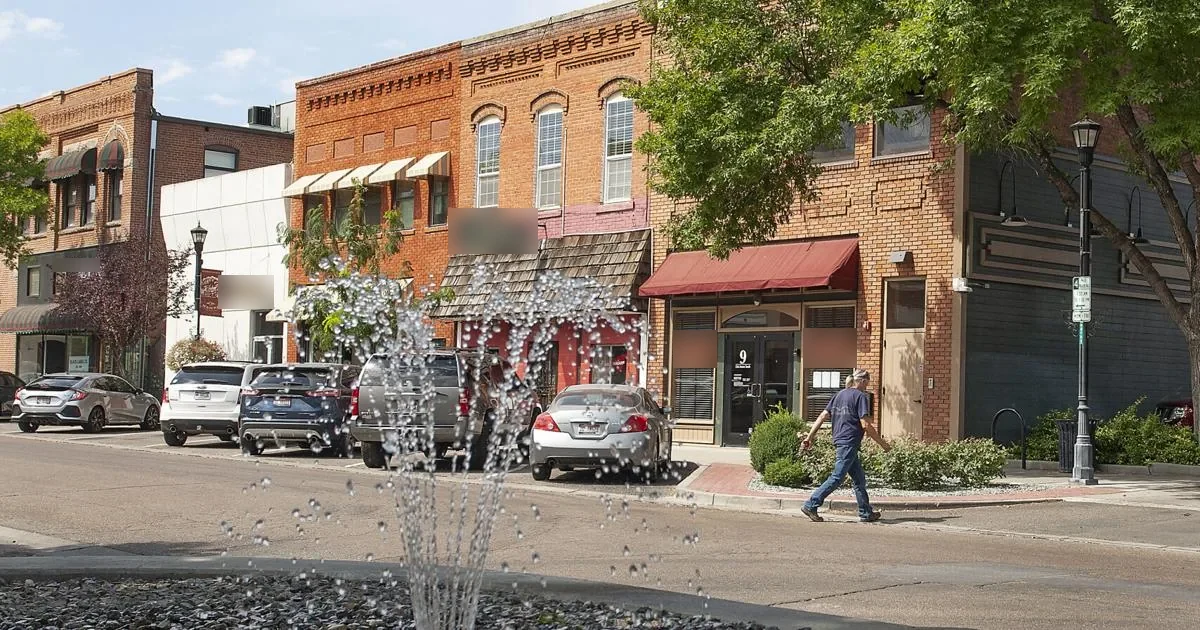
A public owner's roof list can run from administrative offices to maintenance shops, libraries, and storage buildings, and each carries its own membrane and its own history. The City of Nampa's adopted plans include a Downtown Plan dated October 2025, a Highway 20/26 Specific Area Plan, and a Highway 16 Specific Area Plan, which reflect commercial, mixed-use, and industrial growth areas. In the south quadrant the city sets historic downtown apart as its own activity area, so a public building there is read against the downtown plan as well as the roof.
The Nampa area also hosts an Army National Guard presence: the Idaho Military Division identifies the 2nd Battalion, 116th Cavalry Regiment as located in Nampa, in dated evidence from its 2019 year in review. That is evidence of presence only, not of a building inventory. Roof work for such an owner follows armory roofing practice and, on federal sites, the installation roofing procedures of badging, escort, and mission scheduling.
Code and Corridor Rules
Nampa has adopted the 2018 building, commercial energy conservation, and mechanical codes. A public roof project is expected to meet those requirements, and a design that adds insulation or moves equipment must be checked against them. Local design criteria also set a 20-pound ground snow load and a 25-pound minimum uniform roof load, so a recover or a rooftop addition is checked against the structure.
Corridor rules can apply too. A public building near the Highway 16 corridor that needs new mechanical equipment must account for that constraint, and the roofing scope may need to leave the roof clear and relocate equipment to the ground.
Phasing Around Public Service
A building that serves the public cannot close for a roof. A permit counter, a courtroom, a records room, or a dispatch center needs to keep working. We phase the roof so each section is replaced in turn, with a watertight tie-in between finished and unfinished sections, and we agree the sequence with the department head before the first day. Noise, dust, and odor limits are written into the work plan alongside the days they apply.
Emergency repairs on public buildings follow a documented protocol: a temporary dry-in, a numbered photograph set, and a follow-up date. The record gives the agency something to attach to an incident report or an insurance notice, and it names the roof section so that a department head who was not on site can see exactly which part of the building was affected. When a storm opens a roof, an agency can use the same file to show the condition before and after, and it supports a claim under insurance restoration practice.
Leak Calls and Incident Records
A public building draws leak reports from many people: custodians, clerks, tenants of a shared building, and the public. The record that follows should not depend on whoever answered the phone. We log the call, the interior location, the date, and the weather, then match it to the roof section above that space. The inspection that follows is tied to the same section number, so the finding, the repair, and the follow-up all point to one place.
This habit matters for budgeting. If three leak calls in one winter point to the same flashing at the same curb, the record shows a pattern that justifies a larger repair, and if the calls point to different sections, the record shows a roof reaching the end of its service life. The Treasure Valley's cool wet season, which brings over 75 percent of annual precipitation between November and May, produces most of those calls, so a fall walk with drains cleared and seams checked is part of the plan for any agency building. A repeat visit after the first thaw checks that the repair held.
Where an interior finish is damaged, we note the extent for the agency's own facilities staff and record whether the wet insulation above it has been tested.
Submittals and Bid Documents
Public bid packages typically ask for product data, installation details, and a schedule. We prepare a scope narrative that names the existing membrane, the proposed system, the insulation and cover board, the edge metal and flashing details, and the testing to be performed. Photographs are tied to roof section numbers so every line item has visual support. If a bid alternate is useful, such as a recover option beside a replacement, the file explains what conditions would make each one work.
For agencies that share a procurement office with a school system, the same format reads across both, and the approach described for school districts carries over. The owner can also request a commercial roof inspection in advance of the bid so the scope is written to what the walk found.
Asset Management
An agency with many buildings benefits from treating roofs as assets with an expected service life and a maintenance schedule. A roof asset management file lists each roof, its rating, its next action, and its estimated window. As work is completed, the file is updated, and the agency can show a board that a given roof was inspected on a given date and what was found. Government offices, such as those described for government building roofing, are included in the same program.
Questions
What does an agency need to submit before roof work can be bid?
The scope narrative, the roof plan with section numbers, the condition photographs, and the testing plan. The agency's own procurement rules add to that list, and we prepare the roof portions to match.
Can an armory or other Guard building be served under the same format?
The record format is the same. Federal or state sites may add access, badging, and scheduling rules, which we write into the work plan before the crew arrives.
How is a roof near a corridor with equipment limits handled?
We check the corridor plan first. Along Highway 16 the area plan keeps rooftop mechanical units off structures within 500 feet, so equipment placement is settled before the roof design is final.
What if a storm opens a public building roof?
A temporary dry-in goes on first, then the damage is photographed and numbered by roof section. The agency receives the file for its incident report and its insurer.
How does an agency decide between repair and replacement?
The condition rating, the moisture results, and the age of past repairs are compared against the repair limit. Where a repair would cover most of a section, replacement or recover is priced against it.
Can the agency see the roof status year to year?
Yes. Each annual visit updates the same numbered sections with new photographs and ratings, so changes are visible side by side.