Roofing Manufacturers
Carlisle SynTec Roofing Systems in Nampa, ID
Carlisle SynTec single-ply roof systems in Nampa, ID: how we inspect, repair, and maintain EPDM, TPO, and PVC membranes, with seam tests and a written record.
Carlisle SynTec Roofing Systems
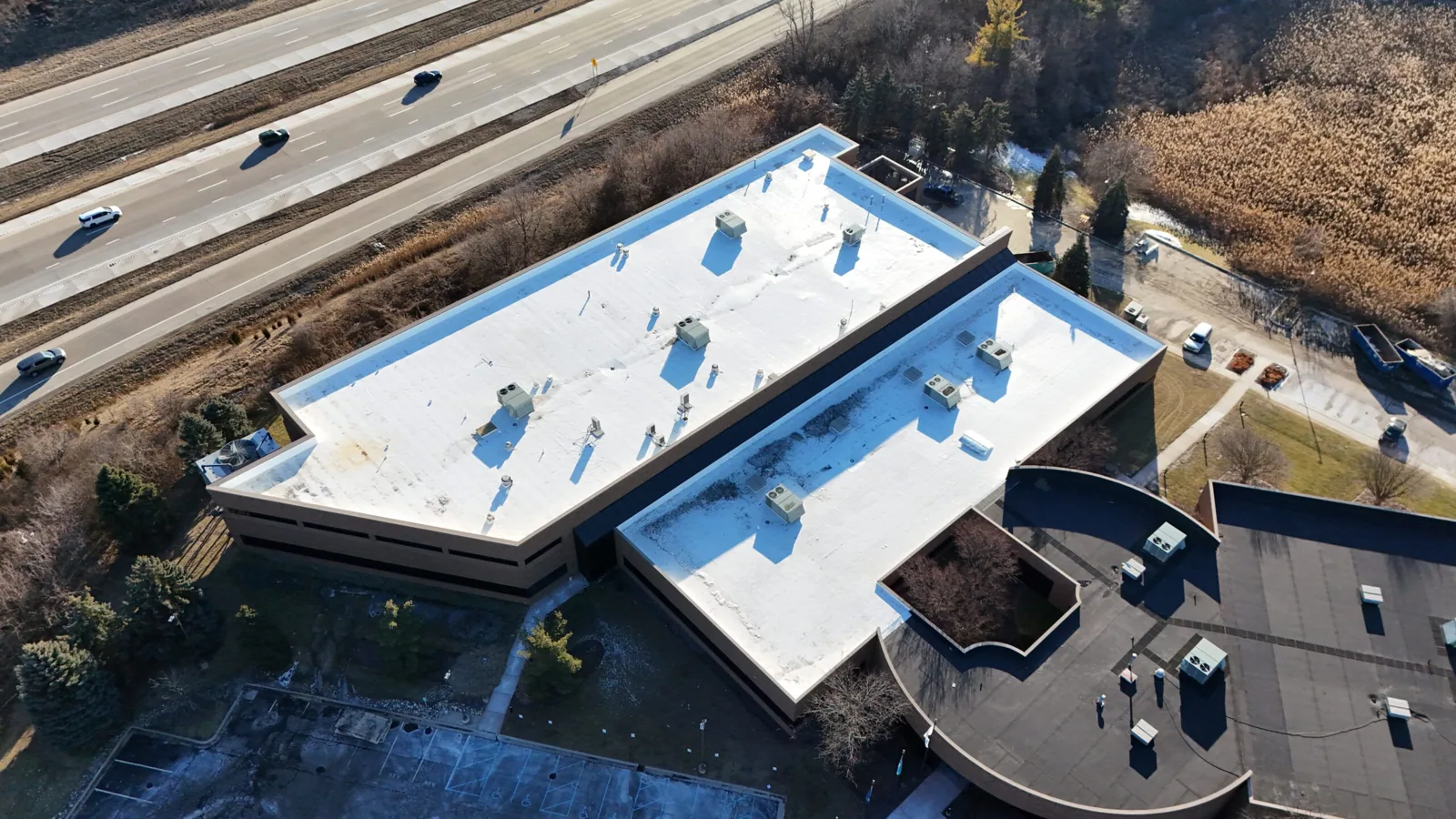
Two seams on one roof can look identical from the ladder and still belong to different systems. One is a strip of splice tape pressed over a primed EPDM edge, the other a hot-air weld between two TPO sheets, and the repair that suits one will fail on the other. Carlisle SynTec makes single-ply membranes in the EPDM, TPO and PVC families, along with insulation and accessories, so a property that holds a Carlisle SynTec roof can contain more than one seam method on the same plan.
For owners in Nampa, ID, our work on these systems begins with the roof section, the visible condition, and the date. The work on these membranes covers inspection, repair, restoration and maintenance. The finding for each section is entered in a written record, and the repair method is chosen from what the seam, the surface and the flashing actually show on the roof.
Membrane Families
EPDM is a synthetic rubber sheet, usually black or white, that is seamed with tape or adhesive and tolerates movement well. TPO is a thermoplastic sheet with hot-air welded seams and a reflective surface. PVC is also thermoplastic and welded, with chemical resistance suited to roofs that receive grease or exhaust.
Each family ages differently. EPDM can shrink at terminations and lose adhesion at laps. TPO can lose seam strength where the weld was made over dirt or at the wrong temperature. PVC can stiffen as plasticizer leaves the sheet. A roof walk identifies the family first, because every later decision depends on it.
Color and surface also carry information. A white reflective sheet shows dirt, ponding stains and chalking early, while a black sheet hides them and runs hotter in summer sun. The walk notes which surface the section has and photographs a representative stretch, so the next reader can see the aging pattern instead of trusting a description.
Seam Methods and Testing
On a welded system, a probe is run along the seam edge and any spot where the probe can enter is marked and photographed. A repair weld is made after cleaning, with a probe pass after cooling. On a taped or adhered EPDM seam, the edge is lifted gently and tested for adhesion, then cleaned, primed and re-seamed with a compatible product.
Where a seam cannot be re-bonded because the sheet is too aged, a cover strip or a flashing-grade patch carries the water path. The report notes that this is a patch over an aged sheet, which is a signal for the capital plan, not a final fix. The photo sequence shows the seam before, during and after, with a test result written beside it.
Seams near penetrations are tested on every visit, because small cuts and pinholes at pipe boots are easy to miss in the field. Where a boot has split, it is replaced with a prefabricated flashing or a field-formed detail made for the membrane family, never covered with a smear of mastic.
Insulation and Attachment
A single-ply membrane sits on an assembly. Below it are insulation boards, often polyisocyanurate, a cover board in some designs, and a deck. The membrane is held down by mechanical fasteners, full adhesive, or ballast. Each attachment method creates different inspection points: fastener plates that back out, adhesive that lets go at an edge, ballast that has shifted.
When the roof is walked, we check for billowing, low spots, and soft areas that point to the layers below. If moisture is suspected, an infrared survey and a core cut identify the insulation and show whether it has stayed dry. The details of the insulation and cover board then enter the file, and any repair that would add weight or penetrations is checked against the design loads.
The condition of the deck is a separate question. Corroded metal deck, soft wood panels and open deck joints stay hidden until the roof is opened, so the deck goes in the record as not seen until a cut or tear-off allows a look. A repair near a suspect area is kept small until that look is possible.
Cold Season Behavior
Single-ply sheets stiffen in cold, and a seam at a drain sump sees ice form and thaw repeatedly. The pre-winter walk checks that sumps are clear, strainers are in place, and flashings at curbs are tight, because a blocked drain turns melt into ponding.
Spring is the time to check what freeze-thaw did. Seams at low points, the perimeter, and corners around equipment are reviewed first. Over 75% of the valley's annual precipitation arrives from November through May, so a spring walk can find the winter's damage while it is still small enough for a minor leak repair.
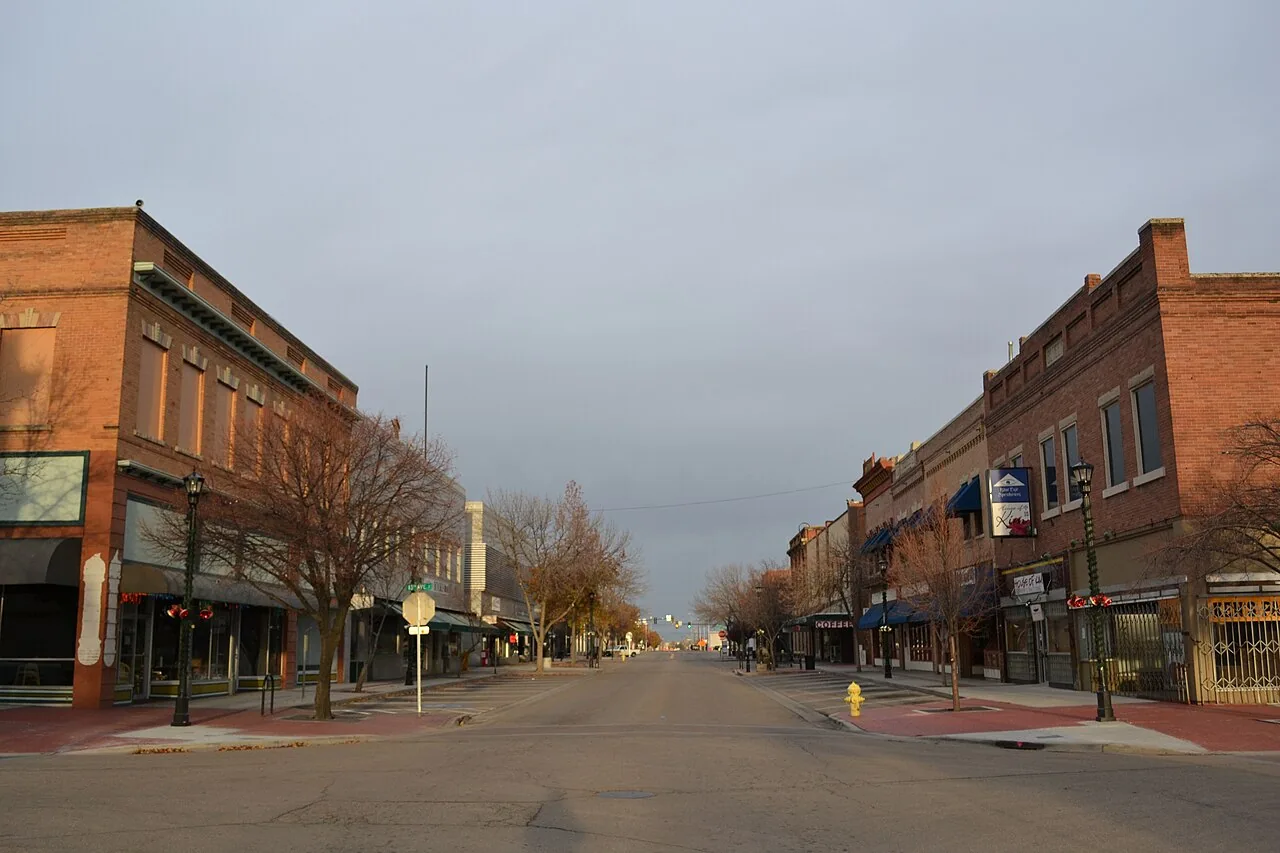
Commercial Settings in East Nampa
The east quadrant plan identifies commercial activity in the Gateway District and along the Garrity corridor, next to light and heavy industrial uses. Single-ply systems are a common fit for retail, flex and light industrial buildings of that kind, because the sheet goes down in large rolls and the work can be staged by roof section.
A building in the Nampa Gateway District or on Garrity Boulevard that carries one of these membranes is walked in the order used on every roof: edges, field, seams, drains, penetrations and equipment. Rooftop units are a frequent source of damage on single-ply roofs, since service traffic wears unprotected surfaces, so we mark walkway routes on the plan when the visit identifies repeated foot traffic.
Access matters on roofs of this type. The path from hatch or ladder to each unit, the weight of service carts, and the need for temporary protection over the membrane are written into the work order before the crew arrives.
Warranty Records and Related Systems
The issued warranty document sets the terms for the roof. We read it, log the maintenance visits it requires, and keep the installation evidence in a closeout file. When a repair could affect coverage, we say so before the work and suggest confirming the approach with the manufacturer.
A replacement comparison may also involve Versico or Holcim Elevate systems. The inspection record supports that comparison, since it shows what the existing assembly is made of and which parts can be kept.
Questions
How can you tell EPDM from TPO on an old roof?
The seams are the clearest sign. Taped or adhered laps point to EPDM, welded laps to a thermoplastic. A small core cut and the roof's paperwork confirm the finding.
Can an aged EPDM seam be re-bonded?
Sometimes. The edge must be clean, flexible and free of contamination. If the sheet has hardened or the adhesive has failed along a long run, a cover strip is a stopgap and the section goes onto the capital plan.
Does a welded TPO seam fail without a visible tear?
It can. A weld made over dirt may look closed and still let water in, which is why we run a probe along the edge and mark each spot where it enters.
What matters most before a Nampa winter on a single-ply roof?
Clear drains, tight terminations at curbs and walls, and no open seams at low points. Ice and melt find any gap, so the autumn walk concentrates on those items.
Will adding rooftop equipment hurt the membrane?
It adds penetrations and foot traffic, both of which stress the sheet. Curbs need proper flashing, and walkway pads protect routes between access and equipment.
Related Roofing Work