Commercial Roofing Services
Cool Roof Installation in Nampa, ID
Reflective cool roof systems for commercial buildings in Nampa, ID, with surface temperature readings, energy code review, and winter tradeoffs recorded.
Cool Roof Installation
Surface temperature is the measurement that opens a cool roof discussion. On a still July afternoon, a dark membrane and a reflective one on neighboring buildings can differ by many degrees at the surface, and an infrared thermometer pointed at each roof records the gap. That reading, dated and tied to a roof section, is the starting evidence. It shows how much heat the existing roof is absorbing and how much a reflective surface could return to the sky before it enters the building.
The Treasure Valley has a semi-arid climate with a dry warm season. For commercial owners in Nampa, ID, that means strong sun on the roof for much of the cooling season, and cooling equipment that works hardest when the roof is hottest. A reflective roof reduces the heat load at its source. Whether the reduction is worth its tradeoffs depends on the building, which the record sets out.
Reflective Surfaces
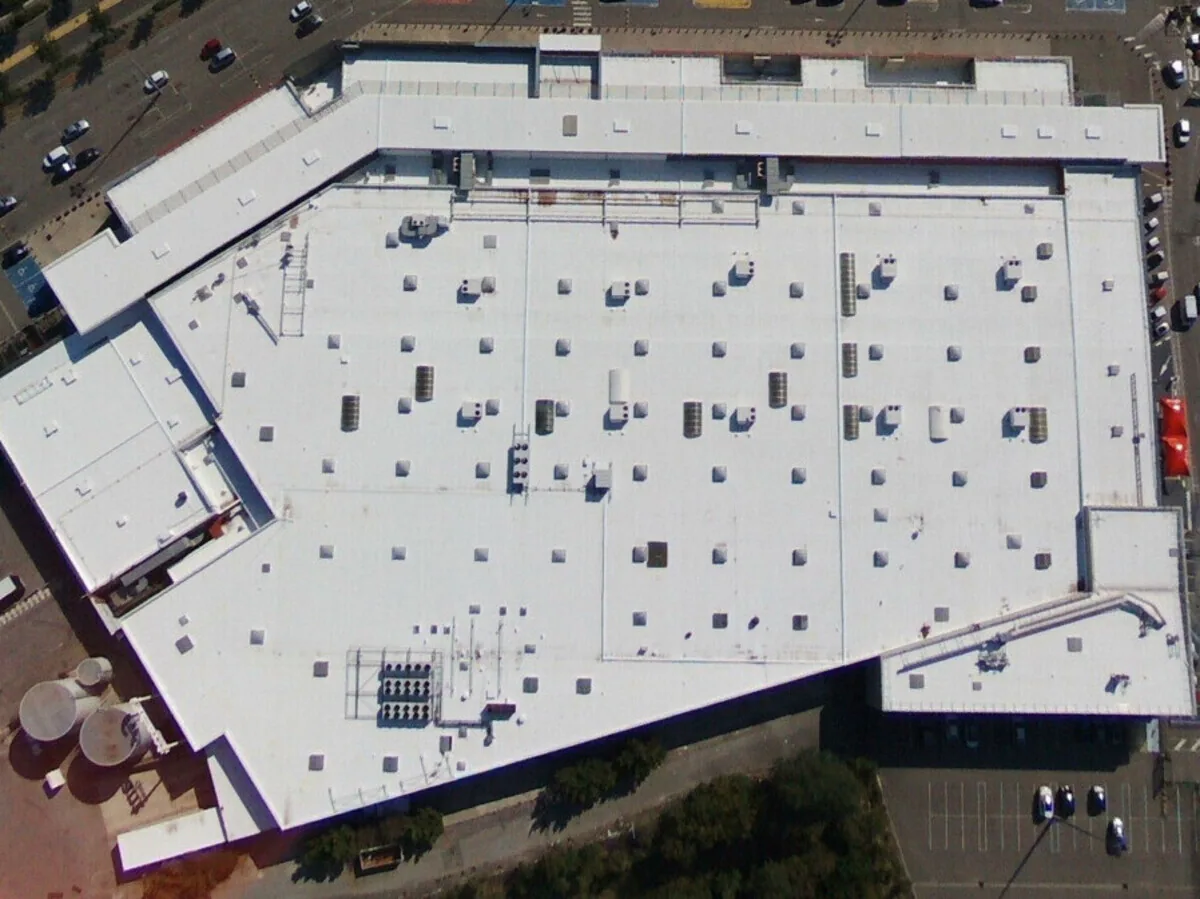
Cool roofs reach their reflectivity in different ways. White thermoplastic membranes such as TPO and PVC are reflective from the factory. Light-colored EPDM is available as an alternative to black. Liquid-applied acrylic coatings and silicone coatings add a reflective layer over an existing roof, and they are one of the most direct ways to reach a cool surface without replacing the roof.
Reflectivity declines over time as dirt collects and surfaces age, so the initial rating is not the whole story. A cleaned membrane regains part of its reflectivity, which is why the maintenance schedule includes washing in certain locations. The record notes the starting surface, the installed product, and the cleaning interval, since a cool roof that is never washed performs like a middle-of-the-road roof within a few seasons.
Energy Code Review
Nampa has adopted the 2018 energy conservation code for commercial buildings along with the 2018 building and existing building codes, and all three bear on a roof project. Energy codes can set insulation levels and, in some climate zones, reflectance requirements for low-slope roofs. The climate zone and the project scope determine which apply, so the code check is part of the scope before a product is chosen.
A new roof or a replacement is the occasion when energy requirements most often apply. A repair or a coating over a sound roof is treated differently. We read the adopted code against the specific project, record the findings in the file, and state where the city's plan reviewer may have the final say. If the owner is seeking a utility incentive or a rating program, the documentation requirements for that program are collected before the work starts.
Winter Tradeoffs
A reflective roof returns solar heat in winter as well as summer. Nampa's design criteria list a 10 degree Fahrenheit winter design temperature, and winter inversions can leave the valley colder than Boise airport readings. In heating season, a building with a reflective roof gives up some of the free solar gain that a dark roof would collect.
The net effect depends on how much the building cools versus heats, the insulation level, and the amount of daytime sun it receives in winter. A warehouse with little cooling and a high heating load may gain little from reflectivity, while an office or retail building with heavy summer cooling may gain more. We state the tradeoff plainly in the file and avoid promising numbers the building data cannot support. Added insulation under the new membrane often does more than reflectivity.
Installation Sequence
On a replacement, the sequence is the standard one for the membrane chosen: remove or prepare the existing roof, install insulation and cover board, then adhere or fasten and weld the white membrane, and flash all details. On a coating, the roof is cleaned, repaired, primed, and coated in two or more passes, with film thickness measured at test points. Seams, penetrations, and low areas receive reinforcement before the topcoat, with the same preparation steps used for a coating restoration.
White surfaces show contamination, so the installation protects the roof from tracking and spills. Foot traffic is kept to walkway pads, and the crew cleans before it leaves. The completion photographs record the finished surface at the time of handover, giving a reference for later reflectivity checks.
Where Cool Roofs Suit Nampa Buildings
Commercial properties around the Gateway District and the Garrity corridor sit among light and heavy industrial areas, and retail and office roofs there carry cooling loads through the dry warm season. North of I-84 and up to the Boise River, the city's plan describes large industrial tracts, and food processing and manufacturing are among the activities it names for that part of town. A distribution building with large dock doors and limited cooling may care more about insulation than reflectivity.
For each building, the file ties the choice to its operating pattern: hours of cooling, interior temperature requirements, and the equipment on the roof. A roof over refrigerated space, for example, is judged differently from one over dry storage.
Heat at Rooftop Equipment
Rooftop units draw intake air from just above the roof, and a hot membrane warms that air before the unit cools it. A reflective surface lowers the temperature of the air layer near the roof, which can reduce the work the unit does in the afternoon peak. The gain is largest where units are close together and where the roof stays sunlit for most of the day.
The same surface faces a different problem near exhaust. Grease, dust, and chemical fumes from exhaust fans stain a white roof, and the stains absorb heat. Splash pads, curb extensions, and a washing interval keep these areas clear. The file marks the units that exhaust onto the roof and sets a cleaning date for each.
Closeout and Review
The closeout file includes the surface reading before the work, the installed product data, the finished photographs, and a note of the cleaning interval. A second surface reading in the first summer after installation can be added to the file, which gives the owner a measured before-and-after comparison. The review date is set at the same time as the first maintenance visit, so washing, drain clearing, and seam checks occur together.
Questions
Does a cool roof always lower cooling costs?
It reduces solar heat gain, but the saving depends on insulation, cooling equipment, and how the building is used. We describe the effect in terms of the building's pattern and do not quote dollar figures.
Can an existing dark roof be made reflective without replacement?
A sound roof can often be coated with a reflective acrylic or silicone after moisture mapping and an adhesion test. A roof with wet insulation or failing seams should be repaired or replaced first.
What happens to reflectivity as the roof ages?
Dirt and weathering lower it, and cleaning recovers some of it. A maintenance schedule that includes washing keeps the surface performing closer to its starting value.
Is a cool roof worth it in a cold-winter climate?
For many buildings, yes, since summer cooling load is significant in the valley, but heating-dominated buildings may see less benefit. The file compares the building's likely heating and cooling use before a recommendation is made.
Does the energy code require a reflective roof in Nampa?
A new roof or full replacement is reviewed against the city's adopted 2018 energy code, and we record the finding for the plan reviewer. A coating or repair over a sound roof is reviewed separately.