Property Types We Roof
Church Roofing in Nampa, ID
Roof inspection, repair and replacement for churches and houses of worship in Nampa, ID, covering steep and low-slope sections, steeples, skylights and records.
Church Roofing
A sanctuary ceiling that shows water marks after the first spring thaw points to a roof history that deserves to be written down. Additions, past repairs and the receipts for them are often scattered among several people. For a church in Nampa, ID, the useful first step is to assemble that history: which section was reroofed, when the last leak was patched, and which parts of the building the board has never been able to reach.
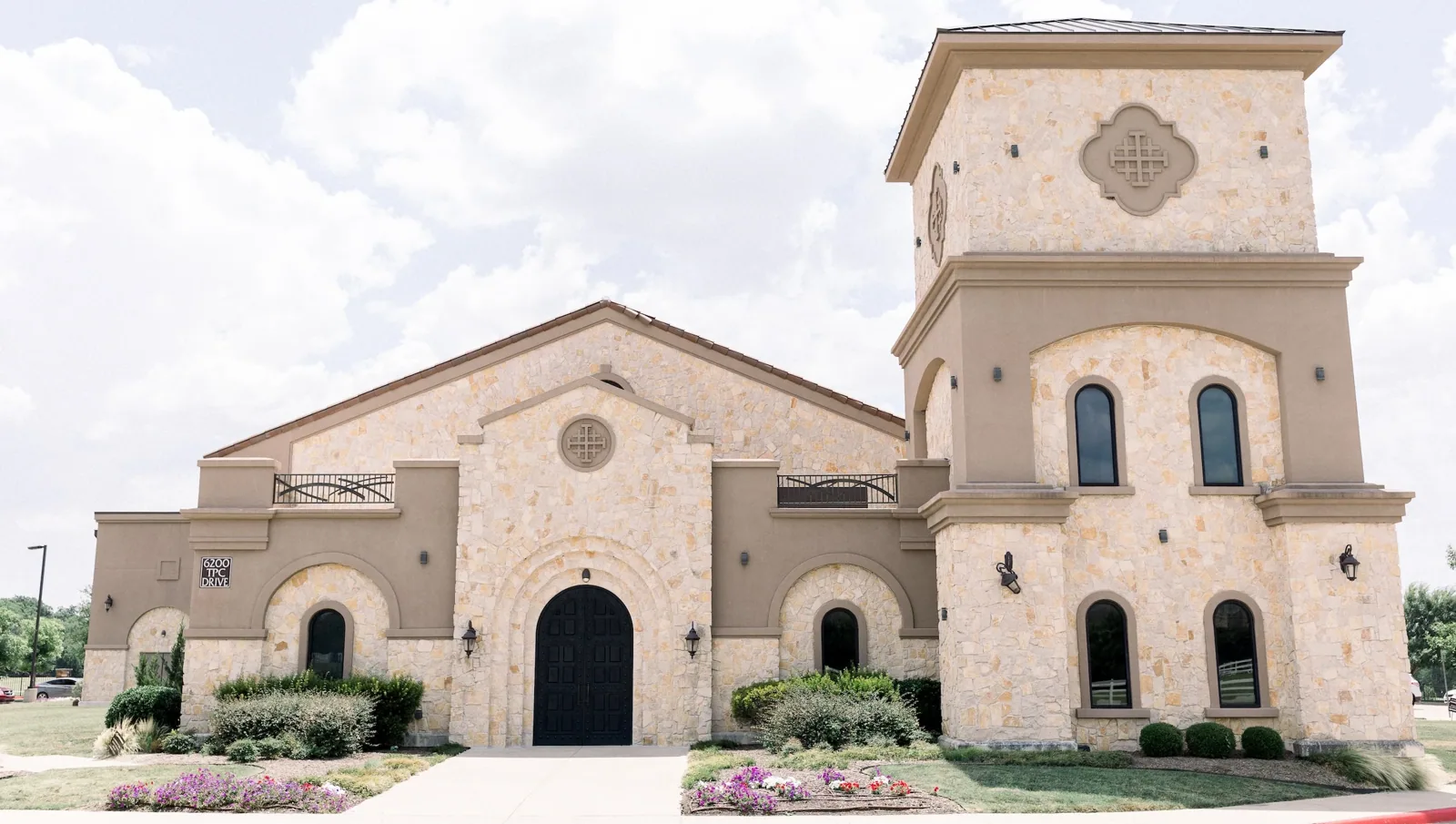
Houses of worship are rarely a single roof. A steep section over the sanctuary, a low-slope roof over a classroom wing, a flat section over a fellowship hall kitchen and a small cap over an entry vestibule each age on their own schedule. The inspection record separates those sections so that a decision about one does not quietly commit the congregation to all of them.
Mixed Roof Sections
We start by drawing the roof into sections and naming the system on each: asphalt shingle or metal panel on the steep areas, and a membrane such as TPO, EPDM or modified bitumen on the low-slope additions. The steep and flat areas meet at walls, valleys and parapets, and those meeting points carry most of the leaks. A sanctuary wall that rises through a lower roof needs counterflashing that is cut into the masonry or lapped under the siding, and the condition of that counterflashing goes in the record with a photograph.
A commercial roof inspection on this type of building also looks at the connections nobody sees from the ground: the crickets behind chimneys and bell towers, the saddle at the base of a steeple, and the gutters that carry water from a high roof across a low one. When a high roof dumps onto a low membrane, the membrane takes a wear pattern that shows up as a bleached or scuffed strip below the downspout.
Sanctuary Ceiling and Attic Evidence
Water stains on a high ceiling are easy to misread. A brown ring may be from a leak that was repaired years ago, while the dry-looking panel beside it may hide wet insulation. Where the building has an attic or catwalk, we look for rusted fasteners, darkened sheathing and compressed insulation, and we photograph each find with its location on the plan. Where it does not, an infrared scan from the roof surface suggests which areas hold moisture.
Stain dates are recorded separately from active leaks. The caretaker or the trustee who knows the building can often say which stains appeared after a particular storm, and that testimony goes in the file as a statement, not as a finding. The scope then lists what the scan and the attic check confirmed, and what is still an open question for a core sample or a test cut.
Steeples, Skylights and Tall Penetrations
The details that give a church its shape are the same details that leak. Steeple bases, dormers, skylights over fellowship halls and the roof-mounted speaker or bell equipment each break the roof surface and each needs a flashing that suits the substrate. We use skylight and penetration flashing methods that account for movement, since a long steeple moves differently in wind than the roof around it, and a rigid sealant at that joint will crack.
The city's 115 mph ultimate wind speed is the reason a tall element gets a check of its attachment along with its flashing. Loose fasteners at a steeple base, or a cap that has lifted at one corner, are recorded with the position and a photograph, and the repair is separated from the cosmetic work so the congregation can fund them in the right order.
Metal Panels and Retrofit
Steep church roofs are often covered with standing seam or exposed-fastener metal. Exposed-fastener panels loosen as the roof heats and cools, and the gaskets under the screw heads wear until the screw holes become leak paths. Tightening or replacing fasteners buys time, but a panel that has oxidized beyond its coating may need a metal roof retrofit with a new panel system or a restoration coating.
When the steep roof is standing seam, the seams, clips and trim are checked for movement, and the places where the panel runs into a wall are opened for inspection. The decision between coating, repair and replacement depends on the panel condition and on how long the congregation expects to keep the building, and the file states those options plainly so a finance committee can compare them.
Snow Load and Thaw Cycles
Under city criteria the ground snow load is 20 psf and the roof must carry at least 25 psf, while the valley's wet months run from November to May. On a steep roof that means snow slides off in sheets, sometimes onto a lower roof or an entry canopy. We look for dented gutters, bent snow guards and damaged lower-roof membrane, since those show where the slide lands. The snow and ice damage sequence in the file lists each point of contact.
Freeze-thaw also affects low roofs. Water trapped in a seam or behind a flashing freezes and opens the gap a little more each cycle, and the damage is found by a spring walk of the roof, with a photograph from the same position used each year.
Older Neighborhoods and Newer Corridors
Historic downtown is its own activity area in the south quadrant, and Downtown Village in the west quadrant sits among historic residential neighborhoods between the railroad and Caldwell Boulevard. A church in Downtown Nampa or Downtown Village may have layered repairs from several periods, so the inspection looks for patchwork before it looks for new defects, and each patch is photographed with its edges visible.
The same method applies to a building on a newer commercial street. Low-slope additions get a membrane check at the seams and drains, and the classroom wing is handled much like school roofing, with attention to dry-weather windows around weekday programs. A church office suite in the same building follows the pattern of office building roofing, since the rooftop units and drains are similar.
Closeout File for the Board
The finished file gives the board a section-by-section roof plan, photographs of each flashing and seam, a list of deferred items, and the dates for the next walk. If a restoration coating is chosen for part of the building, the coating record lists the substrate repairs and the coat thickness. A new trustee can then pick up the file without any history from memory.
Questions
Can the roof work avoid worship times?
Loud steps such as tear-off, fastening and metal cutting are scheduled for weekdays outside services and programs. Access across the parking area is marked off for the same hours.
Who decides which roof sections come first?
The board does, using the inspection record. Active leaks and failed flashing come first, while cosmetic and long-range items move to a funded schedule with dates.
Why would a steeple leak after a repair?
Flashing at a tall element moves in wind, and a rigid sealant cracks at the joint. A repair that allows for movement and is photographed from the same angle shows whether it holds.
Is a coating a sensible choice for a metal roof?
Sometimes. A coating suits panels with sound seams and intact fasteners, and it does not repair rust-through or open seams, which must be fixed first and recorded.
What should the congregation gather before the first visit?
Gather any earlier roof invoices, the dates of known leaks, the locations of stained ceilings, and the names of whoever holds roof access keys.