Property Types We Roof
Self-Storage Roofing in Nampa, ID
Roof repair, coating and replacement for self-storage facilities in Nampa, ID, covering metal drive-up rows, climate-controlled blocks and tenant-claim records.
Self-Storage Roofing
A single drip over a rented unit turns into a claim file before it turns into a repair order. The tenant opens the door, finds a wet box, takes a photograph and calls the manager, and the roof has become evidence in a dispute over who owes whom. A self-storage roof in Nampa, ID therefore needs a record the manager can produce quickly: the date of the last inspection, the condition of the roof section above the unit and the repair that followed.
The roofs on a storage property are not all alike. Long drive-up rows usually carry low-slope metal, a multi-story climate-controlled block may have a membrane roof with rooftop units, and an office or a covered loading bay sits on its own small roof. Each gets its own line in the inspection record, since the problems and the repair methods differ.
Drive-Up Rows and Metal Panels
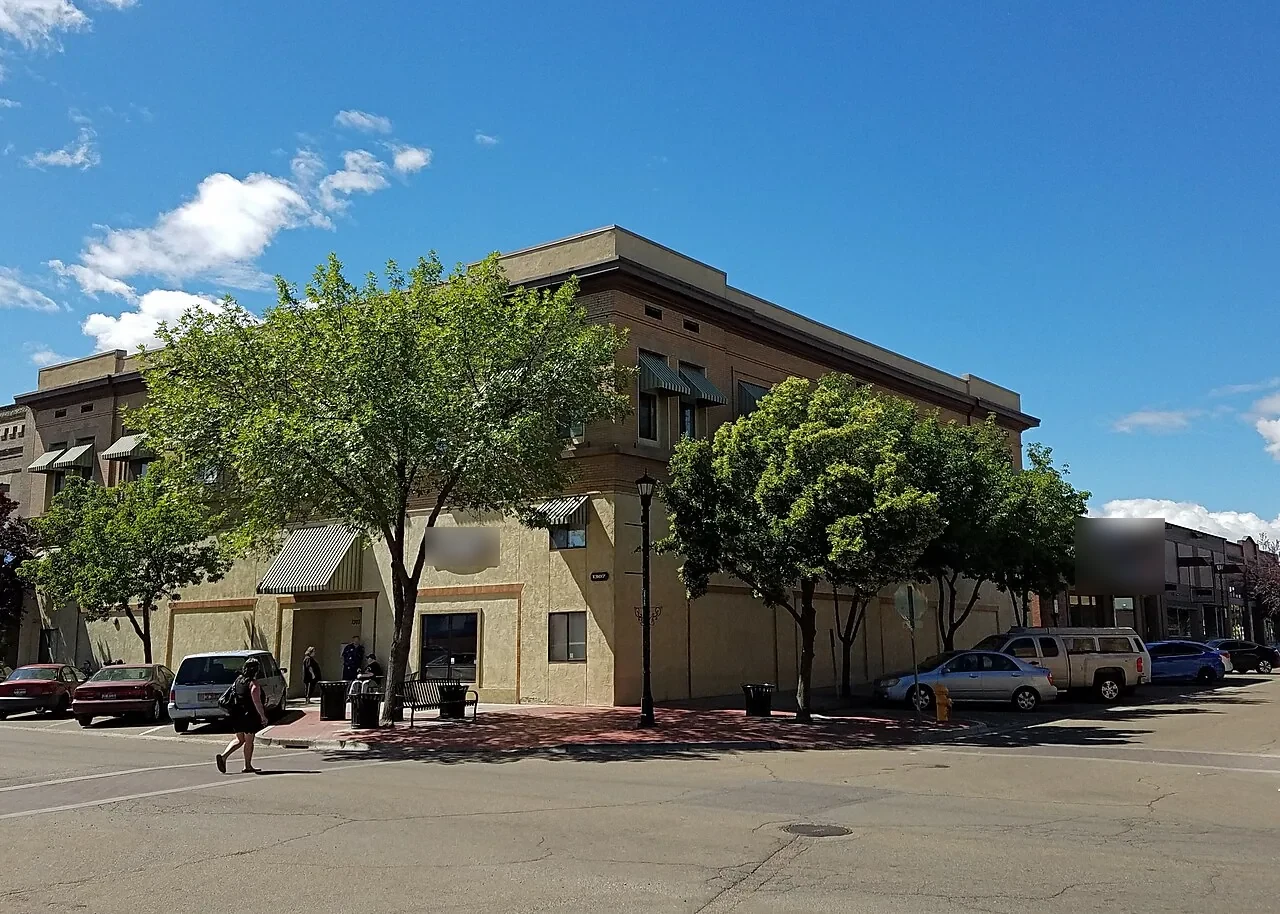
Most of a storage property is panel roof over a long, repetitive layout. The faults repeat too: loosened fasteners, worn screw gaskets, open laps at the panel ends, corrosion where the panel meets the gutter and sealant that has dried at the ridge. We walk a row along the same line each visit and mark each fault on a plan of the row, so the same crew can work down the building in order. A defect found at the third unit from the end is a signal to check every unit's fasteners nearby.
Where panels are sound but the coating is chalking, a roof coating restoration may extend service after fasteners and seams are repaired. Where the panels are corroded through, metal roof retrofit with a new panel over the old purlins or a new deck is the sounder option, and the file gives the manager both costs side by side.
Access is planned row by row. Roof ladders, fall protection at the eave and the position of any lift are noted in the file, along with the gate hours and the units that must be cleared below the work. Where a row has a skylight panel or a ridge vent, the opening gets its own entry, since those components fail before the field panels do.
Sun Exposure on Dark Panels
The Treasure Valley has a dry warm season, and dark or aged metal panels in that season move noticeably with temperature. Daily expansion works fasteners loose and fatigues sealant at the laps. The heat and UV damage record on a storage roof lists the fastener condition by row, the panel fade and chalking, and the sealant at laps and ridges, with photographs.
A lighter reflective coating can reduce the heat the roof absorbs, but only after fasteners are replaced and laps sealed. A coating over loose fasteners masks the problem for one season and then fails along the same lines. For that reason the repair order is fixed in the scope: fasteners first, laps second, rust treatment third, coating last.
Climate-Controlled Blocks and Rooftop Equipment
A conditioned storage block usually has rooftop units, and the curbs and refrigerant lines add penetrations to a roof otherwise free of them. Within 500 feet of the highway, the city's Highway 16 plan bars roof-mounted mechanical units, so a storage developer on that corridor may need to put equipment at ground level or inside the building. Before roof equipment is added or moved on any Highway 16 property, the plan's setback should be checked, and the roof layout updated to match what is actually built.
When a unit is replaced, the curb is inspected, the flashing is reset and the old penetration is closed. A capped pipe or an unused curb is a frequent leak path on roofs where equipment has been swapped more than once.
Tenant Claims and the Roof Record
When a tenant reports water damage, the manager needs three things from the roof side: when the section above that unit was last inspected, whether a leak was reported before and what was done. We keep a unit-to-roof-section index, so a claim number can be matched to a specific panel run or drain. The photographs in the file are dated, which helps the owner and the insurer decide whether the loss came from a new event or from a condition that had been seen already.
The file also helps with the owner's preventive maintenance schedule. A walk at the start and end of the wet season, with the fasteners and gutters checked, costs far less than responding to a flooded block of units.
If the property has been sold or is changing management, the same unit-to-roof index becomes part of the due diligence file. A buyer can see which sections have been repaired, which are open items and what the next inspection date is.
Snow Load, Gutters and Drainage
The city's design criteria set a ground snow load of 20 psf and a minimum roof load of 25 psf, and more than three quarters of the valley's yearly precipitation arrives from November through May. On a long low-slope roof with gutters on one side, a blocked downspout can load the eave with ice. Gutters, downspouts and the transitions at each end of a row are cleared and photographed before the first freeze, and the file shows which downspouts discharge onto paved surfaces that could ice over.
The plan for the south quadrant lists Happy Valley, Southside, Powerline and 12th Avenue Road as its access routes and sees commercial or residential growth along them, so a storage property on 12th Avenue Road or one of those roads sits where the city expects commercial or residential growth. A newly built row should still be walked before its first winter, because installation faults show up in the first wet season: a missed fastener, a lap that was not sealed, a gutter pitched the wrong way. In the east quadrant, the plan pairs commercial activity at the Gateway District with light and heavy industrial uses, a mixed setting that a storage owner there should weigh when planning access and neighbors.
Related Building Types
A storage property that includes a leasing office, a truck rental bay or a small warehouse module shares details with warehouse roofing, and a property with commercial workshop units behaves like flex industrial roofing. The inspection record treats each building by its construction, whatever the tenant mix.
Questions
How do I tie a tenant claim to a roof section?
We number the roof sections to match the unit rows and keep a dated photo set for each. A claim can then be matched to the section above the unit and its last recorded condition.
Does a coating fix leaking fasteners?
No. Loose or backed-out fasteners are replaced and laps are resealed first. The coating then goes over a sound surface and is recorded with the substrate repairs that came before it.
Can one row be done while the others stay open?
Yes. Work proceeds row by row, with the units under the work area cleared and the neighboring rows kept open. Staging areas are marked so gate access remains usable.
What does a rooftop unit near Highway 16 have to do with the roof?
The corridor plan keeps roof-mounted mechanical equipment out of a 500-foot band along the highway. Equipment placement is a design question, and the roof plan has to reflect whatever is approved.
How often should drive-up row fasteners be checked?
Before and after the wet season is the practical rhythm. The record shows loosened fasteners by row, which indicates where tightening stops being enough and where panels need replacement.