Service Areas
Commercial Roofing in Eagle, ID
Commercial roof inspections, repairs and replacements for Eagle, ID, with zoning-aware scopes, moisture testing and a dated photo record for each roof.
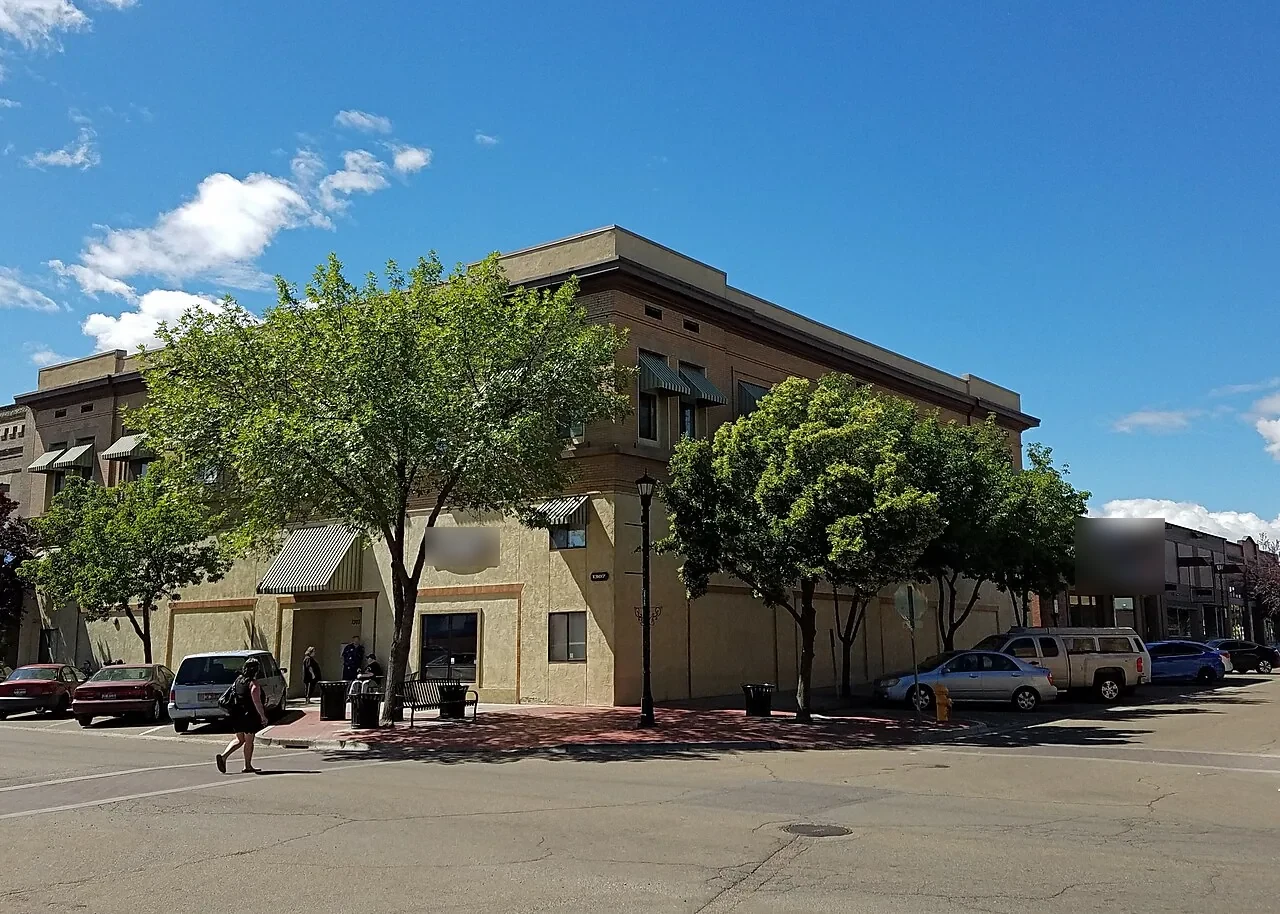
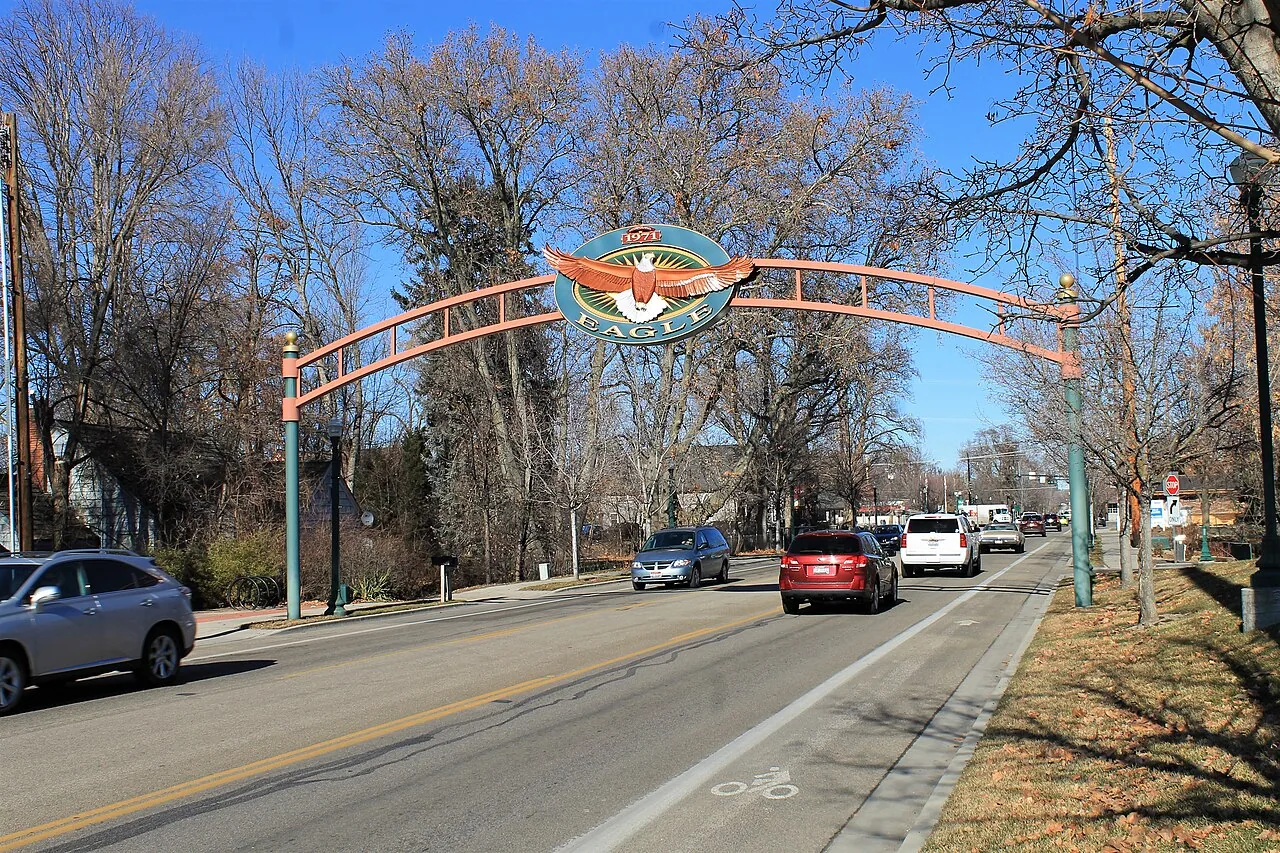
Eagle
Eagle has several planning areas, each with current zoning and land-use maps, and the city adopted a 2026 comprehensive plan to guide growth inside both the city limits and its planning boundary. For a commercial roof owner, those documents matter at one moment: when a roof replacement or an addition brings the building before a reviewer. The reviewer asks which zone the property is in, and the roof scope needs an answer ready. Eagle's center is about 15.2 miles east-northeast of Nampa's.
Our work begins with an inspection record that is useful in that conversation. It holds dated photographs of every roof section, a count of penetrations and curbs, the moisture findings and a written scope with repair limits. Anyone from a lender to a plan reviewer can read it and see what was observed, how it was checked and what is left to test.
The same file serves a different purpose at sale or refinance. Buyers and lenders ask for roof age, repair history and moisture findings, and an owner who has them in one place can answer in a day. We keep the format plain: photographs with dates, a plan with section numbers, and a one-page list of open items.
Zoning, Plans and Roof Scope
A building's zoning shapes its roof in indirect ways. Rooftop equipment may be screened, parapet heights may be limited, and a change of use may trigger energy-code review of the roof insulation. We do not assume the rule for a particular parcel. We ask the owner for the zone designation and the permit history, and we build the scope with those facts on the table, then mark any question for the planning office in the written report.
Nampa has adopted the 2018 IBC with the 2018 commercial energy code, while Eagle's reviewers apply whichever editions Eagle has adopted. A replacement that changes the insulation thickness needs an energy-code check, and the scope lists the existing and proposed R-values side by side so the reviewer sees the change at a glance.
Occupancy classification enters the roof discussion too. A change from storage to assembly or from office to food service can alter fire-rating, drainage and ventilation needs, and each of those reaches the roof through a curb, a penetration or a rated assembly. We list the rooftop consequences of a planned change of use, so the owner can bring them to the design team early instead of during permit review.
Roofs on Growing Properties
Any building an owner expects to expand needs a termination detail ready for the addition. We photograph and record the wall or parapet where an addition is likely to join, so the junction can be flashed without opening the existing field of membrane more than necessary.
Owners planning an expansion also ask what the existing roof can tolerate. Added rooftop equipment, solar racks and new penetrations all load the membrane and the deck. We compare each proposed addition with the roof's condition and, where needed, recommend a solar-ready roof detail or a reinforced one before the new work begins. The structural engineer decides the deck's capacity, and we record the roof side of the answer.
New penetrations are the quiet risk on any expanding property. Every added vent, conduit or pipe is a hole in the membrane that must be flashed to suit the roof system, and a flashing detail that works on TPO may not suit a modified bitumen roof. We follow the manufacturer's detail for the system in place, photograph each completed flashing and enter the location on the roof plan.
Winter Load and Summer Work
Nampa's published criteria give 20 psf of ground snow, 25 psf as the minimum roof load and a 24-inch frost depth. Those figures are the nearest local planning reference and are not a calculation for an Eagle building. The structural drawings govern, and any change in roof weight, such as a second layer or heavier equipment, is checked against them.
Over three-quarters of the Treasure Valley's yearly precipitation falls from November to May, and inversions with snow cover can make valley sites colder than the Boise airport. We read that as a calendar: drains, edges and temporary repairs through the cold months, with membrane replacement in the dry season. Scope and permit work belong in late winter so the crew can start when the weather allows.
Wind uplift matters on any roof with a high perimeter exposure. Fasteners in the first rows at corners and edges carry the most uplift, and Nampa's criteria use a 115 mph ultimate wind speed. After a strong wind we walk the edges, check the copings and record any lifted laps. A coping or edge-metal repair done early prevents a membrane tear.
Repair Limits and Replacement Triggers
A repair limit is a boundary on the roof plan. Inside it, the membrane, the insulation or the flashing is replaced. Outside it, the roof is left in place and watched. The boundary comes from infrared mapping and core samples, not from the stain on the ceiling, and it is drawn before the price is set.
When the readings show wet insulation covering much of a section, or when the deck is damaged, the owner has a stronger case for replacement. Cost then follows the area, layers removed, insulation, penetrations, access and schedule. We present each as a line item. A roof that sits over occupied tenant space has a staging line as well, since the work moves in sections.
Cover board and tapered insulation deserve a mention here. Where a roof ponds, a tapered system can change the slope to the drains, and a cover board protects the membrane from fastener pops and foot traffic. Both are line items in the scope, each with a stated purpose, and the owner chooses whether to include them.
Handover File
The handover file contains dated before and after photographs, the plan, test results, product data, the permit number and the follow-up date. Owners with other properties in the valley can ask for the same file on each building, including those in Star and Meridian. A single format shortens every later conversation with a lender, a buyer or a reviewer.
Questions
Do you need the zoning designation before you quote a roof?
It helps. The designation and the permit history tell us whether screening, height or energy-code questions apply, and we list those questions in the written scope for the planning office to answer.
Can a roof be prepared for a future addition?
Yes. We record the likely junction wall, detail the termination so it can be opened cleanly, and keep the photographs in the file. The addition then joins the roof with less disturbance.
What changes if the replacement adds insulation?
The thickness of insulation affects the parapet flashing, the drain heights and the energy-code review. The scope lists the existing and the proposed values so every trade works from the same numbers.
How is a roof with solar equipment handled?
Racks and conduits add penetrations and foot traffic. We flash each support, add walk pads on the service routes, and photograph the work before panels are mounted.
When should an owner start planning a replacement?
Start in late winter if the work is for summer. That leaves time for the survey, the scope, any permit review and the material order before the dry season opens.