Property Types We Roof
Fitness Center Roofing in Nampa, ID
Roof repair and replacement for gyms, rec centers and fitness facilities in Nampa, ID, covering humid interiors, rooftop units and quiet-hour scheduling.
Fitness Center Roofing
A fitness building produces its own weather. Showers, steam, pool or spa rooms, and a hundred people breathing hard in a closed room put a steady load of moisture into the air, and that moisture goes looking for the coldest surface in the building, which is often the underside of the roof deck. The first question on a gym roof in Nampa, ID is therefore whether the water in the ceiling came from outside or from inside, and the inspection record separates the two.
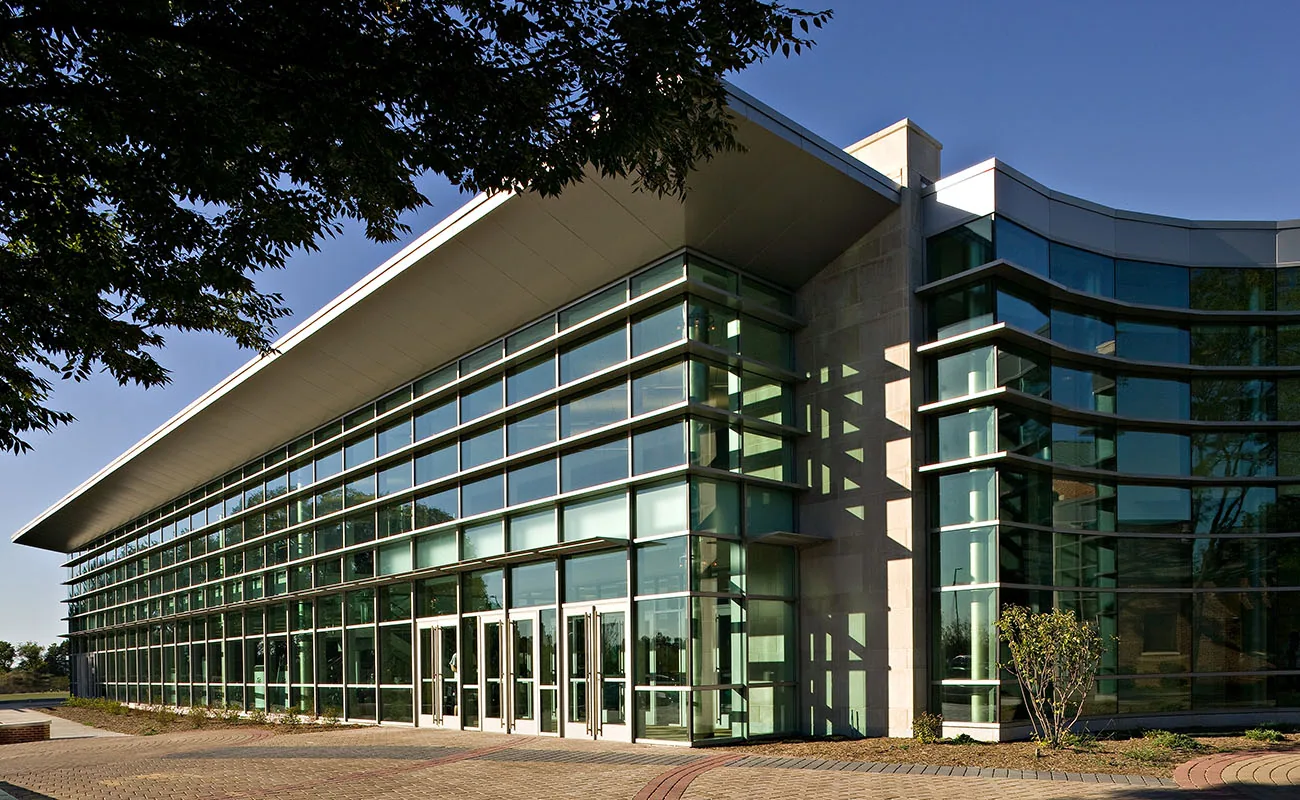
Gyms, recreation centers and fitness studios share a few roof traits: tall interior volumes with long spans, heavy rooftop air handling, wet rooms with their own exhaust, and glazing or skylights that bring daylight to the floor. Each trait creates a specific set of roof conditions, and the scope addresses them one at a time.
Interior Moisture and Roof Moisture
A stain on a gym ceiling can be a leak or a condensation line. We check by timing: a leak shows after rain or snowmelt, while interior condensation shows after cold nights and peak occupancy, and appears at the same points, usually near ducts, deck laps or fasteners. We read the insulation facing from below where it is exposed, scan the roof with infrared when conditions allow and probe the membrane at seams. An infrared moisture survey is useful here because it shows the wet insulation pattern, and a pattern that follows the exhaust ducts points inside the building.
If the cause is interior moisture, no membrane repair will stop it. The record then hands the finding to whoever runs the ventilation, with photographs and the date of observation. If the cause is the roof, the repair is scoped and the wet insulation is mapped.
The follow-up matters as much as the first finding. After a ventilation change or a drain repair, the same ceiling is photographed from the same position over the next cold weeks, and the record shows whether the stain returned. A gym that sees staining every winter at the same points has a pattern, and the pattern identifies the cause more reliably than any single visit.
Large Rooftop Units and Exhaust
Fitness buildings often run large air handlers. Those units sit on curbs with large flashing perimeters, and their weight and vibration work the curb connection loose over time. Pool and locker room exhaust can also carry chlorine or other chemicals, which affects the membrane near the discharge. We look for discoloration and softening on the membrane near each exhaust and record where it ends. PVC membrane is often considered where chemical exposure is heavy, and the reasons go in the file.
Curb flashing, equipment supports and the pitch of the roof under the units are checked together, because a unit set on a sagging curb will lead water into the building. If a unit is replaced, the record states whether the curb was reused, modified or rebuilt.
Quiet Hours and Peak Hours
Gym schedules run early and late. Many members train before work or after it, and class schedules are published for weeks ahead. We ask for the facility's peak and quiet hours and place noisy work, such as tear-off and fastening, in the quiet window. Work above group classes, childcare areas and yoga rooms is scheduled with the manager, and the section being worked is posted at the front desk.
Odors are controlled the same way. Hot-applied materials give way to other methods wherever the roof allows, and the crew finds the rooftop air intakes beside the work area on the first visit. If an intake serves a studio or a pool hall, the manager decides whether to shut it for the loud steps.
Equipment deliveries and hoisting are scheduled when the lot is least used, because member parking competes with the crew for the same space. The plan marks the staging zone, the route for trucks and the entrance that stays open for members, and the manager approves it before the first day.
Skylights, Clerestories and Tall Walls
Daylight in a gym often comes from skylights or clerestory windows, and they are among the first places to leak. The curb under a skylight takes thermal movement and the glazing seals age. We inspect the curb flashing, the glazing gasket and the roof around the unit, and we record fogged glass or stained trim inside. Each skylight and penetration flashing repair is photographed in stages, so the finished curb can be compared with the failed one.
Tall walls carry their own risk. A parapet that rises far above the roof catches wind and sheds water onto the membrane, and the base flashing there sees more stress than at a low parapet. The city's 115 mph ultimate wind speed applies to a wall that tall, so its edge and coping attachment is checked against it.
When glazing is the leak source, the roofer cannot fix it with membrane. The record lists the failed gasket or cracked unit and identifies who replaces glass, so the roof repair and the glazing repair are scheduled together and the leak is not blamed on the wrong trade.
Facilities on the Growing Corridors
The west quadrant plan puts commercial development along Caldwell Boulevard and 12th Avenue Road, while the east quadrant plan names the Gateway District and the Garrity corridor as commercial activity areas. A fitness facility on Caldwell Boulevard or in a retail center near Garrity shares its roof environment with neighboring tenants, and the details follow shopping center roofing, with a shared roof, shared drainage and tenant equipment. A municipal recreation center is closer to school roofing in its schedule and its public use.
Winter Drainage and Ice at Entries
Winter design in the city's criteria uses 10 degrees Fahrenheit, and the wet season runs from November through May. A gym entry canopy with a blocked drain can drop water onto the walkway where members arrive in the dark, and ice there is a liability. Canopy drains, gutters and downspouts are cleared and photographed before the first freeze, and discharge points are checked.
Rooftop units also matter in winter. Condensate that drains onto the roof can freeze into a patch of ice at the access route, so condensate lines are piped to a drain. Snow that collects behind a tall parapet melts slowly and loads the drains, so scuppers and overflow openings are cleared and tested with water in the wet season, and the result goes into the file with the date.
Closeout File for the Facility Manager
The closeout file lists the sections worked, the moisture map before and after, the equipment curbs reset, the schedule decisions and the follow-up walk dates. It is written so the next manager can see what was done and what the ventilation contractor was asked to review.
Questions
How can a roof leak be told apart from interior condensation?
Timing and pattern settle it. A leak follows rain or snowmelt, while condensation follows cold nights and heavy occupancy and lines up with ducts and fasteners.
Which membrane resists pool and locker room exhaust?
PVC is often chosen near chemical exhaust. The observed membrane condition near each discharge is recorded first, and the choice follows what the exhaust has already done to the roof.
Can noisy work avoid class times?
Yes. We ask for the class and childcare schedule, place tear-off and fastening in the quiet window and post the work area at the front desk.
What is checked on a skylight curb?
The flashing at all four sides, the glazing gasket, the fasteners and the roof surface around the unit. Fogged glass or trim stains inside are photographed as well.
Do new rooftop units need a new curb?
Not always. The existing curb is inspected for height, level and flashing condition, and the record states whether it was reused, modified or rebuilt.