Property Types We Roof
Grocery Store Roofing in Nampa, ID
Coordinate Nampa grocery roof inspections, refrigeration curbs, drainage, repairs, and closeout around store access and service windows.
Grocery Store Roofing
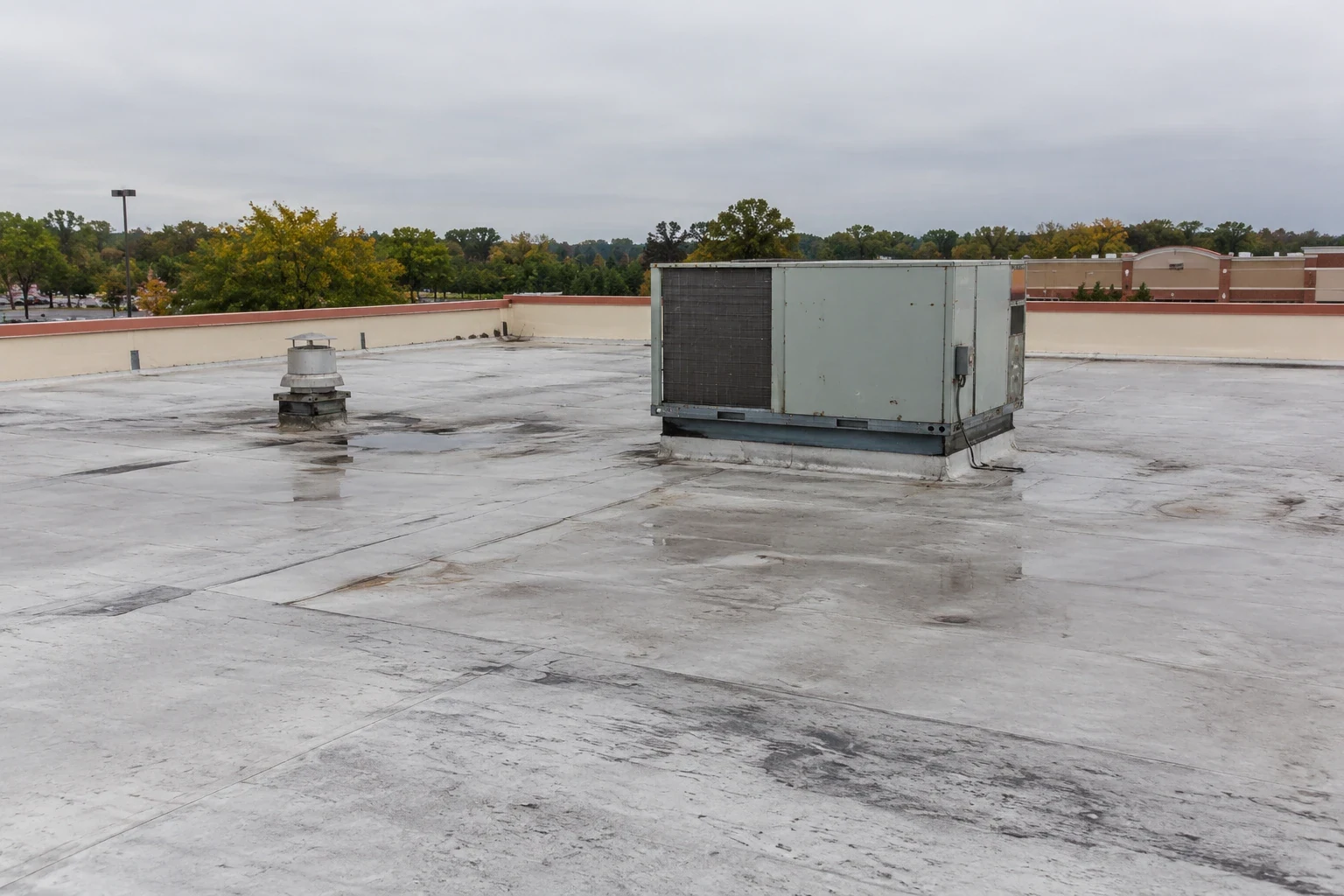
Grocery stores combine a continuously used sales floor with receiving, refrigeration equipment, and back-of-house spaces that may have different roof histories. A Nampa roof review starts with the store contact's access rules, the roof plan, and the locations tied to reported leaks. We identify each roof zone and record drains, curbs, seams, penetrations, and visible prior repairs before discussing a scope. Most of the valley's precipitation arrives in the cool season, so drainage details deserve attention during seasonal maintenance, and the store's own roof shows whether they need it. We document what was visible on the inspection date, what was blocked or unsafe, and which questions need testing. For a property near Downtown Nampa, the current site map and authorized access point still determine how the field visit is arranged.
Protecting store access and service routes
Scheduling begins with roof access, loading hours, refrigeration service windows, and the areas below the planned work. We confirm who can authorize an escort, isolate a service corridor, or notify staff before a crew reaches a roof hatch. A commercial roof inspection can be divided into building zones so photos and notes remain useful to the store's facilities team. We record any surface that cannot be reached safely and identify what approval or equipment would be needed for a return. No open hatch, roof ladder, or service route is assumed to be available without the property's authorization. The field plan also notes where tools, debris, and temporary protection may affect receiving or employee circulation.
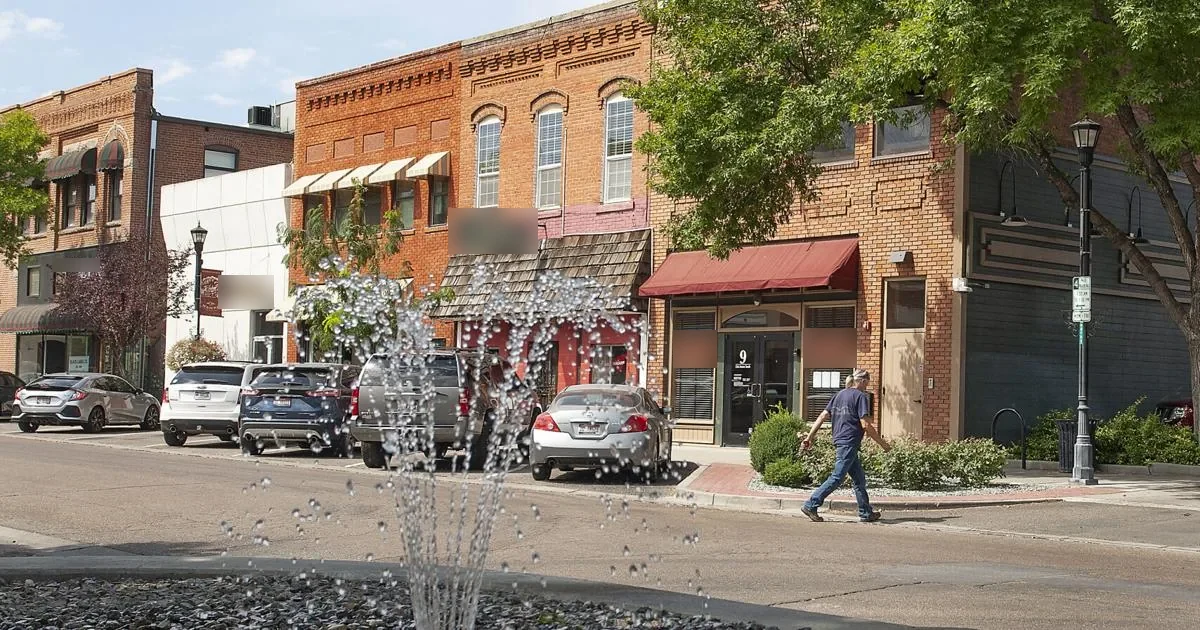
At a store located near the Garrity Boulevard Corridor, traffic approach and service access are confirmed with the site representative rather than inferred from a map label. Commercial activity concentrates around Gateway and Garrity in the east quadrant, but a field visit still needs the exact parcel, entrance, and roof access contact. We note whether the receiving route crosses a work zone, whether a delivery window limits lift placement, and whether staff need a separate notice before a roof hatch or ladder is used. This information helps the contractor describe a workable inspection sequence without assuming that neighboring properties share the same management or access rules.
Refrigeration curbs and roof transitions
Refrigeration lines and rooftop units create multiple transitions that should be logged rather than grouped as generic equipment. We look at visible curb flashing, pitch pockets, support frames, penetrations, and the condition of nearby membrane. If the equipment contractor has service records or recent replacement drawings, those may clarify when a curb was altered. Refrigeration curbs are where the roofing and equipment trades meet, so a curb and support review settles who restores what before a repair or an equipment swap begins. We do not infer refrigerant piping condition or structural capacity from a roof walk. Findings should distinguish visible membrane details from mechanical questions that need the appropriate trade or engineer.
Outlets, scuppers, and seasonal conditions
More than 75 percent of the annual precipitation falls from November through May. For a grocery roof, that supports routine attention to outlets, scuppers, strainers, low points, and freeze-thaw exposure, while leaving the actual roof condition to inspection. We photograph debris, water marks, blocked drainage, and any visible deterioration. A roof drainage review can separate cleaning needs from a repair question. Snow or ice may hide an outlet or seam; the report should identify that limitation rather than treating a covered area as clear. Design references in the city's criteria, 20 psf of ground snow and a 25 psf uniform roof floor, do not replace a structural review of a particular store's framing.
Defining a leak repair
Interior symptoms are compared with roof seams, transitions, curbs, and drains, but a wet ceiling or stained tile does not by itself locate the entry point. Water can travel through an assembly before appearing inside. We map reported locations against accessible roof details and note whether moisture testing or selective opening is needed. A condition report identifies confirmed observations, likely paths, excluded areas, and the limits of the review. The repair description should state preparation, materials, tie-ins, temporary protection, and how the finished area will be checked. If testing is declined or access is restricted, that decision and its effect on certainty remain visible in the record.
Work around food retail operations
Roof work can be organized by zone and approved work window, with special coordination for receiving, refrigeration service, customer entrances, and areas where overhead protection is needed. The schedule should identify noisy tasks, material lifts, temporary openings, cleanup, weather holds, and who can pause work when an operational need changes. A related shopping-center roof program may include shared storefront access and multiple tenant contacts; grocery-specific sequencing must also confirm store management and refrigeration contacts when those systems are affected. For lodging properties, a hotel roof plan handles different occupant schedules. Comparisons are useful only at the planning level; every property requires its own field-confirmed access and scope.
Before a phase starts, the manager confirms who will post notices, who can approve a temporary route change, and how the crew will protect nearby doors and equipment. Those assignments belong in the daily plan, along with the contact for an urgent access question.
Closeout for store facilities staff
The closeout file should include a roof plan with zone names, dated photos, materials recorded, repair limits, test results, and remaining recommendations. We separate completed work from an item that was observed but not authorized. If a replacement becomes the selected option, a replacement scope should describe removal, substrate assumptions, edge details, tie-ins, and inspections. Both the 2018 building code and the commercial energy code are in force in Nampa, and the project scope and permit review decide which requirements apply. The property team should retain the approved plans and contractor records with the roof history, so a later service call can compare like-for-like zones and avoid treating a new condition as part of an old repair without evidence.
For future service calls, the roof-zone map should remain consistent with the labels used by store operations. A location such as a refrigeration curb can be listed by roof section and equipment identifier, while the interior report retains the department or room reference supplied by staff. When those labels differ, both are recorded and the relationship is confirmed before a repair is assigned. The file can also note weather, visible surface conditions, and any limitation on access or testing. This reduces the chance that a later crew repairs a nearby detail simply because it appears close to the reported symptom.
Questions
Can the roof be reviewed during store hours?
The access plan is coordinated with management and identifies the route, restricted zones, notice process, and any activity that may need an approved work window.
Do refrigeration units require separate roof notes?
Yes. Curbs, supports, piping penetrations, and prior equipment work are logged by location so roof and mechanical responsibilities can be reviewed clearly.
Does a ceiling stain prove a roof leak source?
No. Water may travel before appearing inside. We compare the report with accessible roof details and identify when testing or an opening is needed.
What records help before an inspection?
Roof plans, leak history, prior repairs, access rules, equipment work records, and the store contact list help define a safe, useful visit.
When is a broader replacement scope considered?
Repeated leaks, widespread wet material, or multiple failing details may call for testing and a broader comparison. Findings and uncertainties should be stated first.