Property Types We Roof
Big-Box Retail Roofing in Nampa, ID
Coordinate Nampa big-box roof inspections, repairs, drainage, and replacement with loading access, store operations, and documented work zones.
Big-Box Retail Roofing
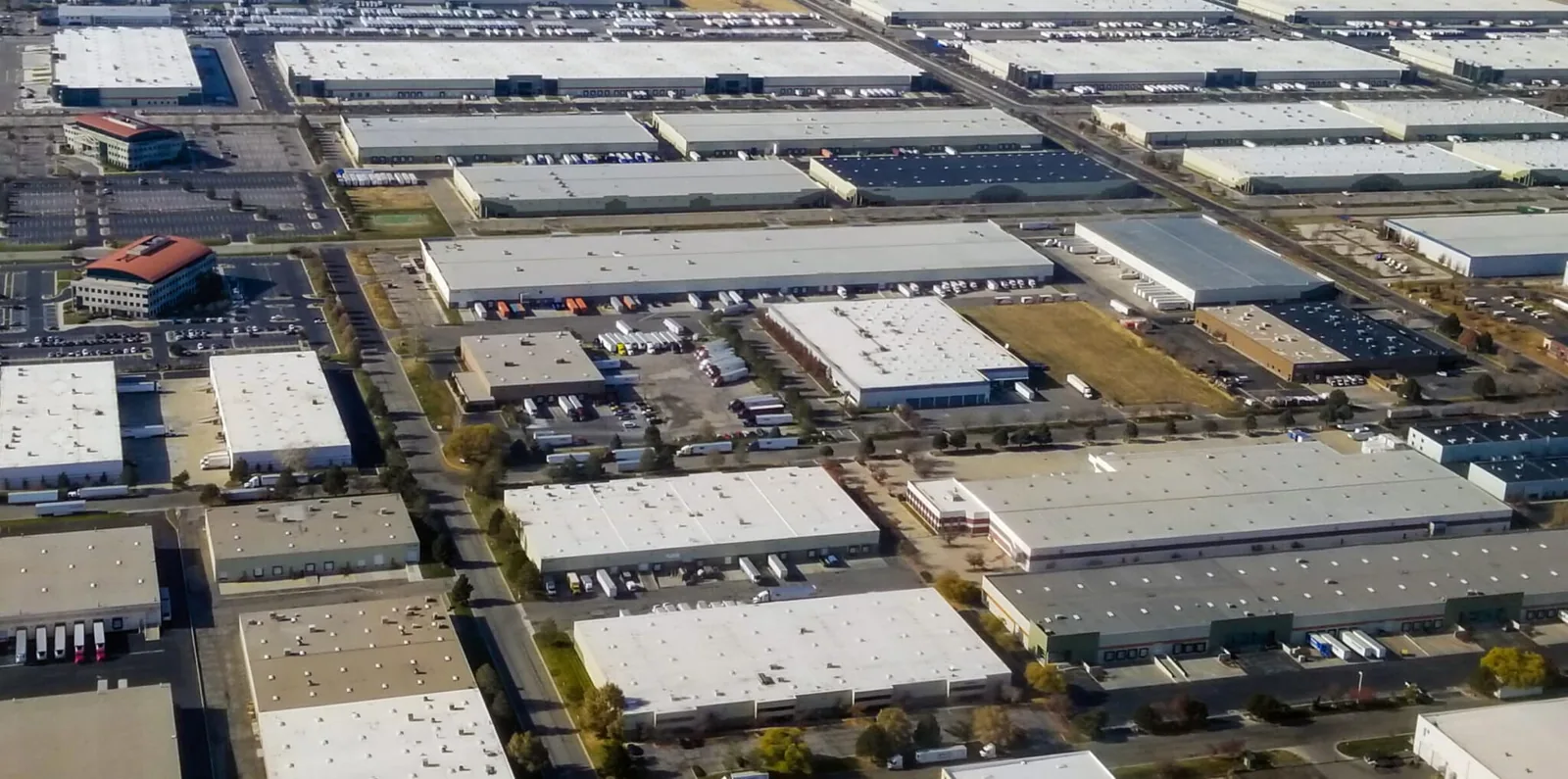
Large-format retail roofs cover broad sales areas, loading zones, storefront canopies, and equipment clusters that may have been added at different times. A Nampa review begins by dividing the roof into identifiable zones and confirming which doors, docks, and interior areas must remain protected. Commercial activity clusters around the Gateway District and the Garrity corridor in the east quadrant, next to industrial uses, which says something about neighbors and truck routes and nothing about a given roof. We verify the parcel and site contact before scheduling, then record the assembly, visible defects, prior patches, and areas that could not be accessed. The report distinguishes observations from recommendations that need testing. For work near the Nampa Gateway District, the property manager's access instructions and current site map control the field route.

Loading, storefront, and roof access
We confirm hatch or ladder locations, fall-protection requirements, escort rules, roof access hours, and the paths used by deliveries. A large store may have an active receiving dock while customer entrances stay open, so the field plan names areas where equipment movement or debris control could affect circulation. For a commercial roof inspection, roof zones can be numbered separately from tenant and department labels to avoid confusion between plans. We note restricted equipment, unstable walking surfaces, and sections hidden by rooftop units. If an access point is locked or a roof area is unsafe to reach, the limitation stays in the record and a return visit is scheduled when authorized. We do not infer that one cleared hatch provides access to every area of the building.
Inspecting a broad roof in repeatable zones
The inspection follows a consistent route across membrane seams, perimeter details, curbs, penetrations, drains, and past repair locations. Photographs include a detail view and a wider reference so the maintenance team can find the condition again. Interior leak reports are compared with likely transitions and drainage paths, but a ceiling mark alone does not prove where water entered. A roof condition report records the observed defect, affected zone, confidence, and any test needed to define its extent. Large roofs can contain separate additions or repairs that look similar from above but differ in age or assembly. We keep those areas distinct and identify conflicting drawings or labels for confirmation rather than combining them into a single unsupported conclusion.
Curbs, units, and later alterations
Rooftop equipment can interrupt drainage and create transitions between the original roof and later work. We photograph curb flashing, service routes, abandoned supports, and repairs around units, then note whether the mechanical contractor's work history is available. Where a curb or support needs attention, a roof curb review can define the interface and the trade responsibility before membrane work begins. We record visible conditions without assuming that equipment is properly supported or that a roof opening is watertight. The 2018 building, commercial energy and mechanical codes are all on the city's adopted list, and the permit requirements that follow depend on the actual project and on review by the authority having jurisdiction.
Seasonal drainage and wind exposure
Drainage checks include outlets, scuppers, strainers, low points, and debris patterns that may indicate where water has been moving. More than 75 percent of the valley's annual precipitation falls from November through May, which makes inspection timing a seasonal question. Nampa's design criteria also list a 115 mph ultimate wind speed. These are regional and design references, not a building-specific structural assessment or a prediction of roof performance. We document conditions visible on the inspection date and identify snow, ice, standing water, or wind-related damage that needs a closer review. A wind-damage assessment should separate documented impacts from areas that require testing or a qualified structural review.
Repair or replacement limits
A limited seam or flashing repair can be appropriate when surrounding material and attachment remain serviceable. Repeated leaks, widespread wet insulation, failing seams, or a deck concern may call for testing and comparison of a broader scope. We map each proposed boundary, list preparation and tie-in details, and identify temporary protection for the sales floor or receiving area. A replacement scope should state removal limits, substrate assumptions, edge conditions, and inspection points. We identify exclusions and open questions before pricing is treated as complete. Where work can be phased, the sequence should reflect roof conditions and operational approvals rather than a generic promise that the store will remain unaffected.
Phasing around store operations
Work zones can be scheduled around receiving hours, customer entry, equipment servicing, and any restricted periods identified by management. The schedule names material staging, lift locations, noisy tasks, temporary openings, weather holds, and daily cleanup. For comparison, a grocery-store roof plan may need additional coordination around refrigeration service, while large-format retail reviews emphasize broad roof zones, loading areas, and equipment clusters. The distinction is useful only when those conditions apply to the actual property. A related shopping-center roof program may involve multiple storefront contacts and shared areas. Each site still needs its own approved contacts, access boundaries, notice process, and closeout responsibilities. We record who can pause work and how a change is communicated to affected occupants.
When management maintains several locations, the same section labels should be used in inspection notes, maintenance tickets, and contractor closeout files where practical. A photograph without a roof-zone reference can be difficult to match to a later leak report, especially after equipment or tenant layouts change. We can note the date, weather limitations, access approval, and whether a repair was temporary or part of a permanent scope. If the owner has an established capital record format, the closeout can follow it while preserving field observations and unresolved questions. This helps a facilities team compare future findings without assuming that similar-looking buildings have the same assembly, age, or repair history.
A roof record that supports future decisions
Closeout should include the roof plan, zone identifiers, dated photographs, materials recorded, test results, repair limits, and unresolved items. The maintenance team should be able to tell which work was completed and which recommendations were outside the approved scope. A roof asset record can preserve that history for later inspection and budgeting. In the Nampa Gateway area, the city plan's corridor references help orient a location search, but they do not replace the property's own drawings or inspection. We flag missing plans, unlabeled additions, and areas that could not be accessed so they can be reconciled before the next project. The final file should make the next reviewer more precise about location and scope, not claim that every part of a large roof has been proven sound.
Questions
Can a large roof be inspected in sections?
Yes. Numbered roof zones help keep photographs, findings, repair limits, and access constraints connected to the correct building area.
What if rooftop equipment blocks an inspection path?
We record the restricted area, visible conditions, and the access or safety step needed for a return. We do not treat an unseen section as inspected.
Does a leak report identify the roof defect?
It provides a starting location. Water can travel before appearing inside, so we compare the report with seams, curbs, drains, and transitions and identify when testing is needed.
When should replacement be compared with repair?
Repeated defects, broad moisture, or multiple failing sections can support further testing and a wider scope comparison. The report states the evidence and limits.
Can deliveries continue during roofing work?
The approved plan should identify dock routes, staging, restricted zones, and contacts who can coordinate a schedule change. Site conditions determine the workable sequence.